



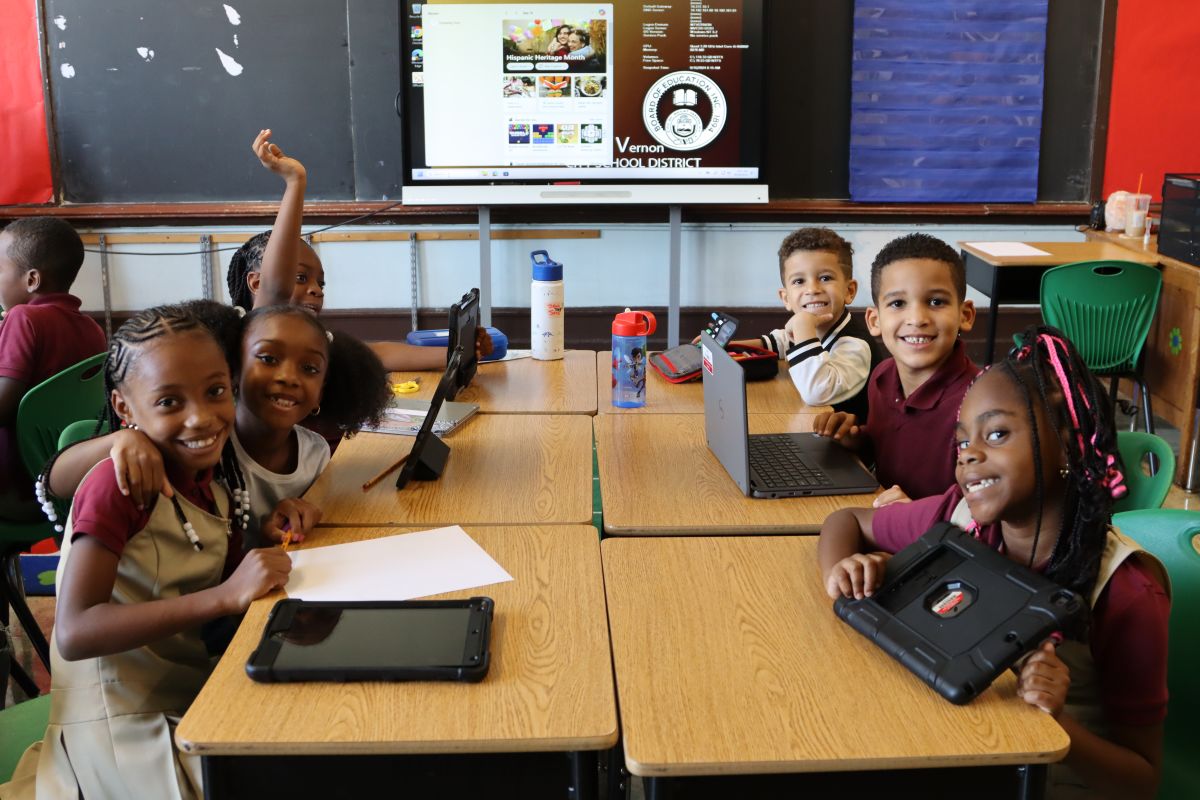
Students return to a modern learning environment equipped with digital technology. Image: Mount Vernon City School District.
Today, as students across the United States and around the world return to classrooms for the 2026–2027 academic year, the editorial team of The New Dispensation (TND) warmly welcomes every student, teacher, professor, administrator, and parent back to school.
A new school year brings new classes, new responsibilities, new friendships, and new opportunities. It is a fresh beginning—a moment for students to set higher goals, renew their determination, and prepare themselves for a more successful tomorrow.
Today’s students may be the most technologically privileged learners in human history. The rapid growth of digital technology—and especially the birth and global expansion of artificial intelligence—has made knowledge more accessible than ever before.
A student attending a small rural school can now access many of the same educational resources available to students at some of the world’s most prominent institutions. Artificial intelligence is helping to create a more balanced learning environment by expanding access to research, tutoring, translation, writing support, scientific explanations, and other educational resources.
Technology does not eliminate every inequality in education. Many students still lack reliable internet access, modern devices, electricity, and properly funded schools. Nevertheless, artificial intelligence offers an extraordinary opportunity to narrow the knowledge gap among students, schools, and countries.

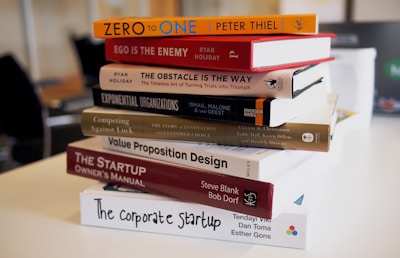
Human-centered teaching and digital technology can expand educational opportunities across borders. Image: Planet News.
As you begin this academic year, The New Dispensation encourages you to appreciate this new learning ecosystem. Make the best—not the worst—of this historic moment. Use the resources available to strengthen your knowledge, develop your abilities, and prepare yourself for a better future.
Technology has placed an unprecedented amount of knowledge within your reach. However, access alone does not guarantee success. You must still bring discipline, honesty, curiosity, critical thinking, and determination to your education. Artificial intelligence can assist your learning, but it cannot replace your responsibility to think, study, question, and grow.
A Message to Teachers and Professors
To our teachers and professors: artificial intelligence is here, and it is a tool.
Throughout history, new technologies have transformed how people live and work. The computer replaced many functions of the typewriter. The typewriter improved upon writing everything by hand. Cars transformed transportation by foot, while modern ships overcame many of the limitations of the traditional canoe.
Human progress has always involved the adoption of new tools. Artificial intelligence represents another major step in that continuing journey.
Educators should therefore approach this golden moment with wisdom and openness. AI should be thoughtfully integrated into teaching, research, and classroom activities—just as computers, calculators, online libraries, and educational software were eventually incorporated into modern education.

Teachers remain essential in helping students use digital tools safely, responsibly, and effectively. Image: National Association of Elementary School Principals.
Artificial intelligence is not automatically plagiarism. Plagiarism occurs when someone presents another person’s words, ideas, or work as their own without proper acknowledgment. AI, when used responsibly, can help students organize ideas, understand difficult subjects, improve language, explore unfamiliar concepts, and work more efficiently.
However, students must never use AI to deceive their teachers, fabricate information, or avoid learning. They should follow their institutions’ academic-integrity policies, verify AI-generated information, cite sources properly, and disclose their use of AI whenever required. The responsible use of AI should enhance human thinking—not replace it.
A piece of work produced with AI assistance may reflect characteristics of the technology used to create it, just as a computer-generated document carries features different from a typewritten or handwritten page. That fact alone does not prove dishonesty.
Educators should evaluate a student’s reasoning, originality, understanding, sources, and compliance with clearly stated rules—not rely solely on assumptions or imperfect AI-detection systems.
Use Artificial Intelligence for Good
The greatest power of artificial intelligence is efficiency. It can save time, reduce certain educational costs, improve access to information, and provide additional support to students and institutions worldwide. Yet its value will ultimately depend on the wisdom, integrity, and purpose of those who use it.
To our students: use artificial intelligence for good. Let it help you investigate—not imitate; understand—not deceive; create—not merely copy. Use it to expand your mind while continuing to develop your own voice, judgment, and abilities.
It is our hope that students, teachers, professors, and educational institutions will embrace this golden era of expanded learning while establishing responsible standards that protect academic integrity and encourage genuine intellectual growth.
May the 2026–2027 academic year be filled with discovery, achievement, happiness, and purpose.
Welcome Back to School, Students!
Your future is waiting—and knowledge is now closer than ever.
The Editorial Board
The New Dispensation (TND)
The Truth Can’t Be Hidden


Comments (0)
Be the first to share your thoughts!
Your voice matters. Every comment helps build our community.
Discussion Starters
No comments yet. Be the first to share your thoughts!