





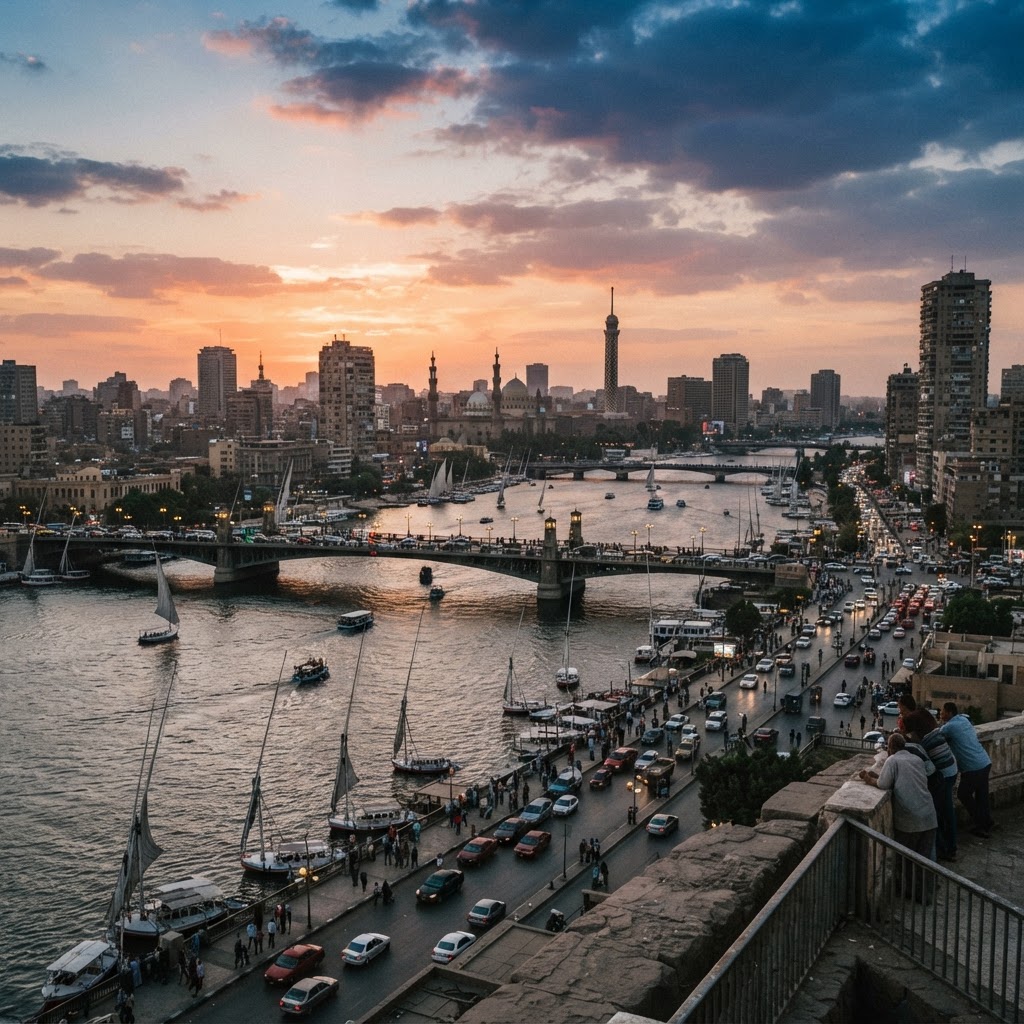
Economic Resilience Amid Global Shifts
As of August 11, 2026, Egypt continues to demonstrate macroeconomic resilience, with Finance Minister Ahmed Kouchouk reporting that the nation achieved a 5.2% economic growth rate during the first nine months of the 2025/2026 fiscal year. This performance underscores the country's ability to maintain its status as Africa's second-largest economy, with a projected GDP of $430 billion for the year.
The nation's fiscal health has been bolstered by aggressive stabilization measures under the International Monetary Fund (IMF) Extended Fund Facility. While the IMF recently adjusted its 2026 growth forecast to 4.2% from an earlier 4.7% projection, the economy remains supported by a robust rebound in tourism and consistent foreign direct investment. Headline inflation has shown signs of cooling, dropping to approximately 11.9% by early 2026, reflecting the impact of ongoing monetary tightening.
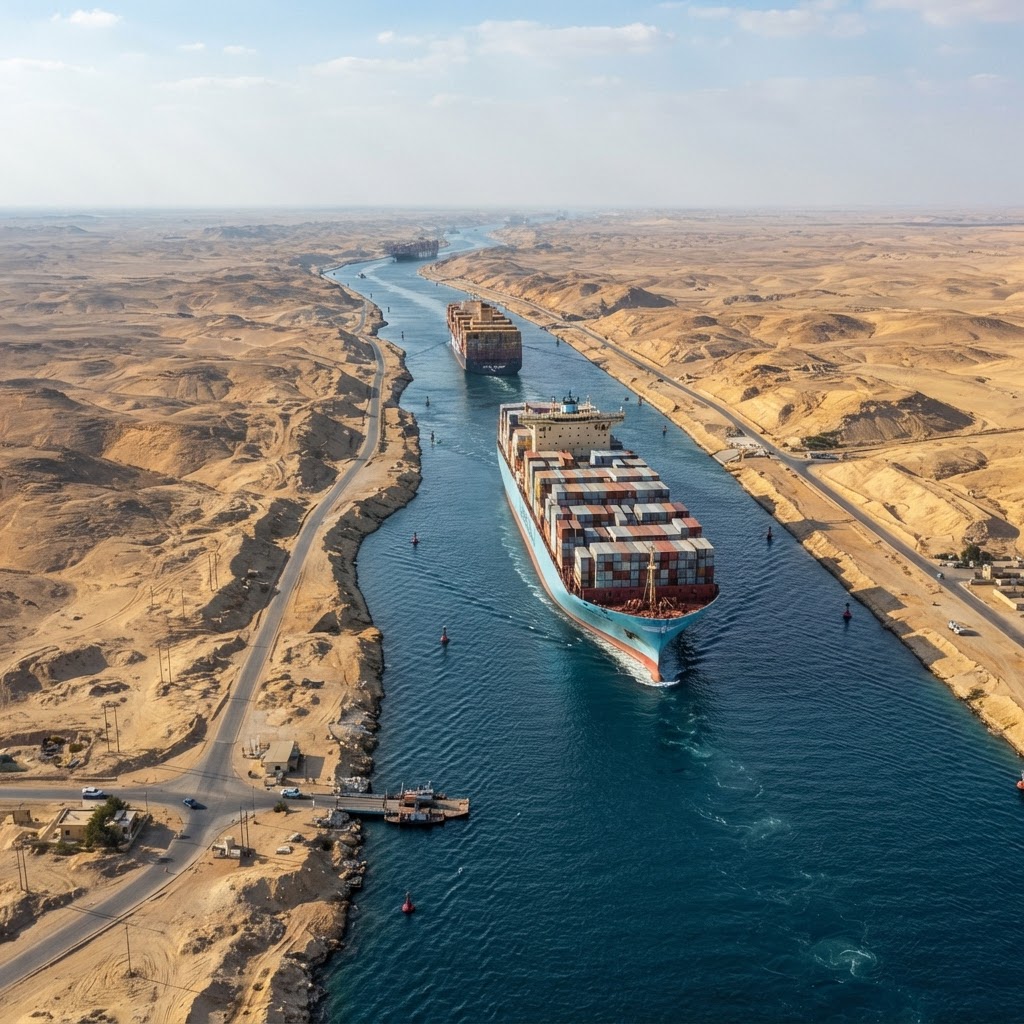
Suez Canal: A Strategic Rebound
The Suez Canal, a vital artery for global trade and a primary source of foreign currency for Cairo, has experienced a significant shift in traffic patterns. Following the disruptions caused by the Red Sea security crisis in late 2023, the waterway has seen a notable recovery throughout 2026. The closure of the Strait of Hormuz due to the ongoing US-Israel conflict with Iran has inadvertently turned the Suez Canal into a preferred, safer corridor for energy shipments.
The start of the return of major shipping lines is the culmination of the Suez Canal Authority’s intensive marketing efforts over the past period.
Data from the Suez Canal Authority and global market providers indicates that major shipping giants, including Maersk and CMA CGM, have resumed regular transits. By mid-2026, the canal has seen a surge in oil and LNG tanker traffic, with revenue figures reflecting a steady climb toward pre-crisis levels. Authorities remain optimistic that traffic will continue to normalize through the remainder of the year.
Regional Diplomacy and Security
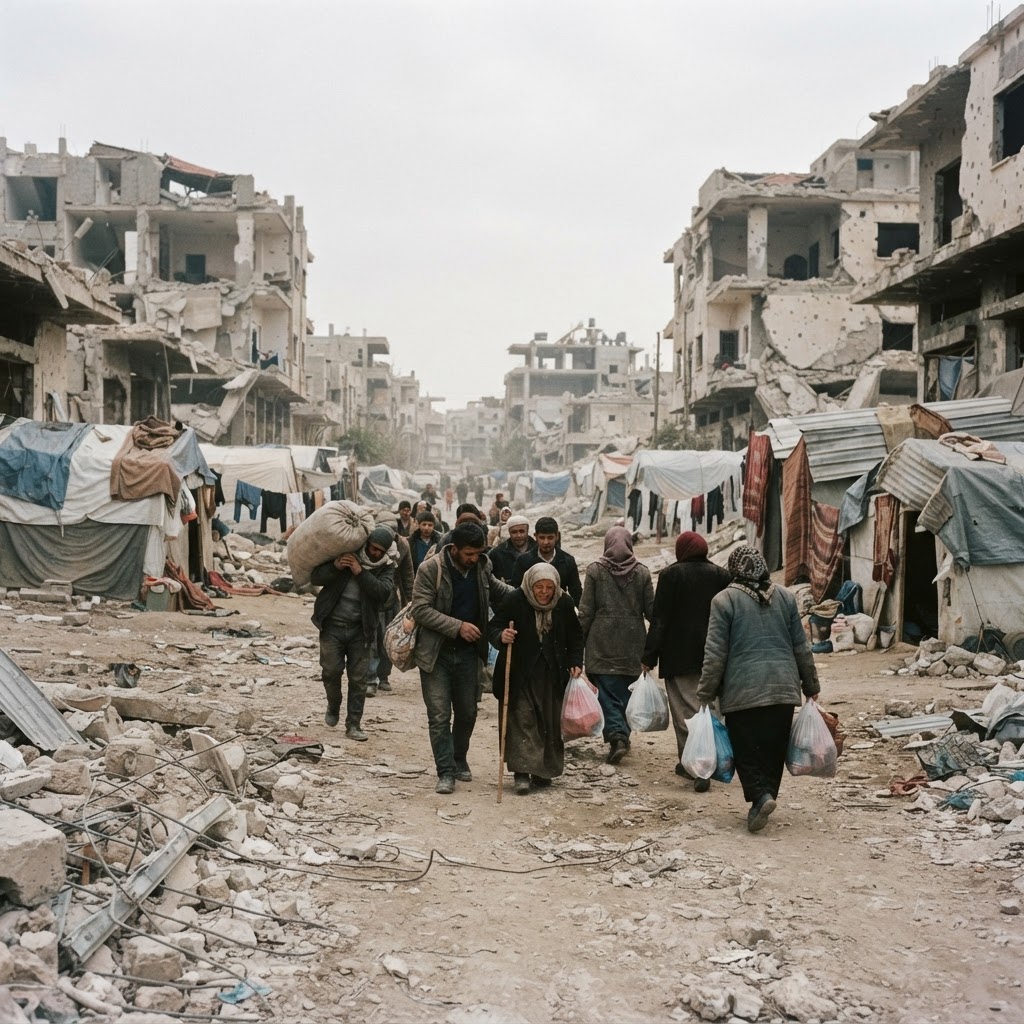
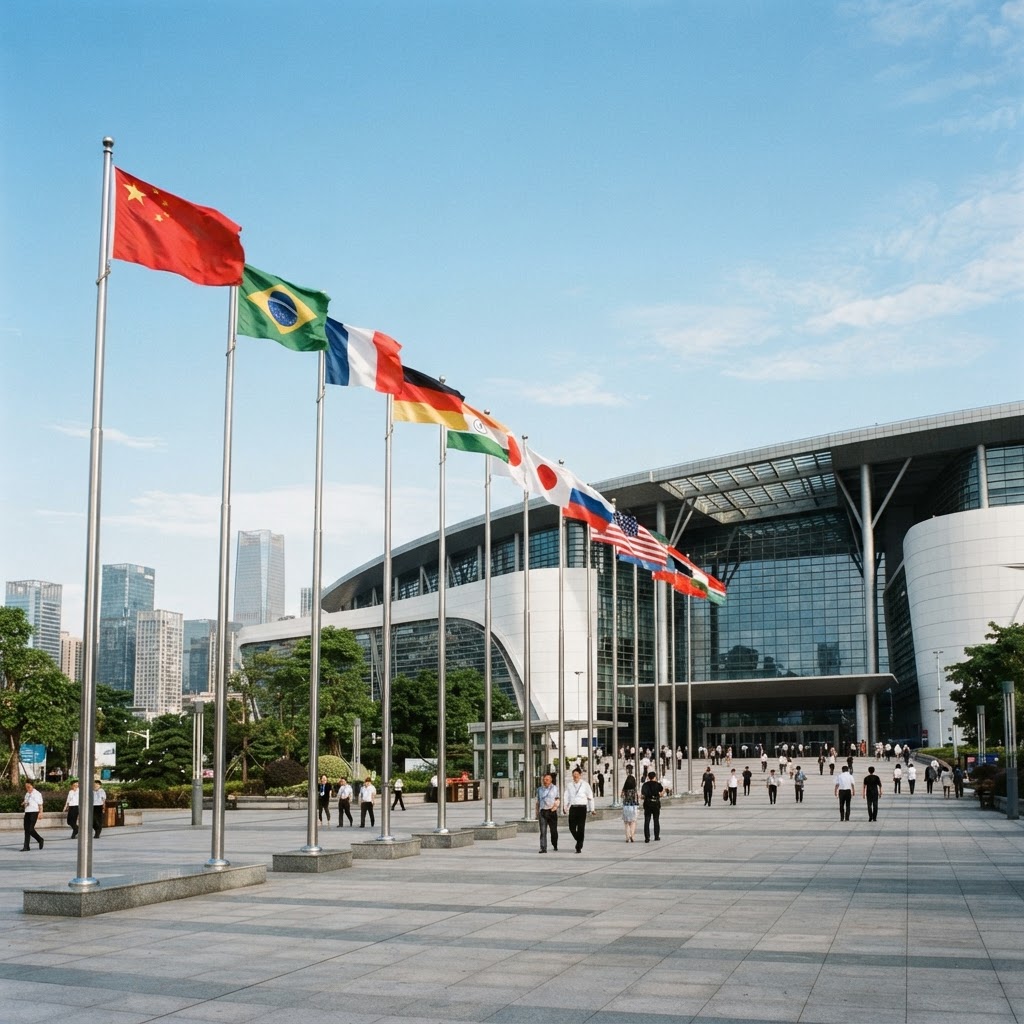
Egypt’s foreign policy remains heavily focused on the humanitarian and security crises in Gaza. Foreign Minister Badr Abdelatty has engaged in a series of high-level meetings with international partners from the EU, ASEAN, and the Americas to advocate for stability and humanitarian access. Cairo continues to leverage its position as a key mediator, maintaining control over the Rafah crossing as a critical gateway for aid.
Beyond the immediate Gaza crisis, Egypt is navigating a complex regional landscape defined by post-ideological pragmatism. The nation continues to assert its role as a regional stabilizer, balancing its security interests with the need for commercial development. Diplomatic efforts also remain focused on the long-standing tensions surrounding the Nile, where Egypt continues to seek equitable solutions regarding water security and regional infrastructure projects.
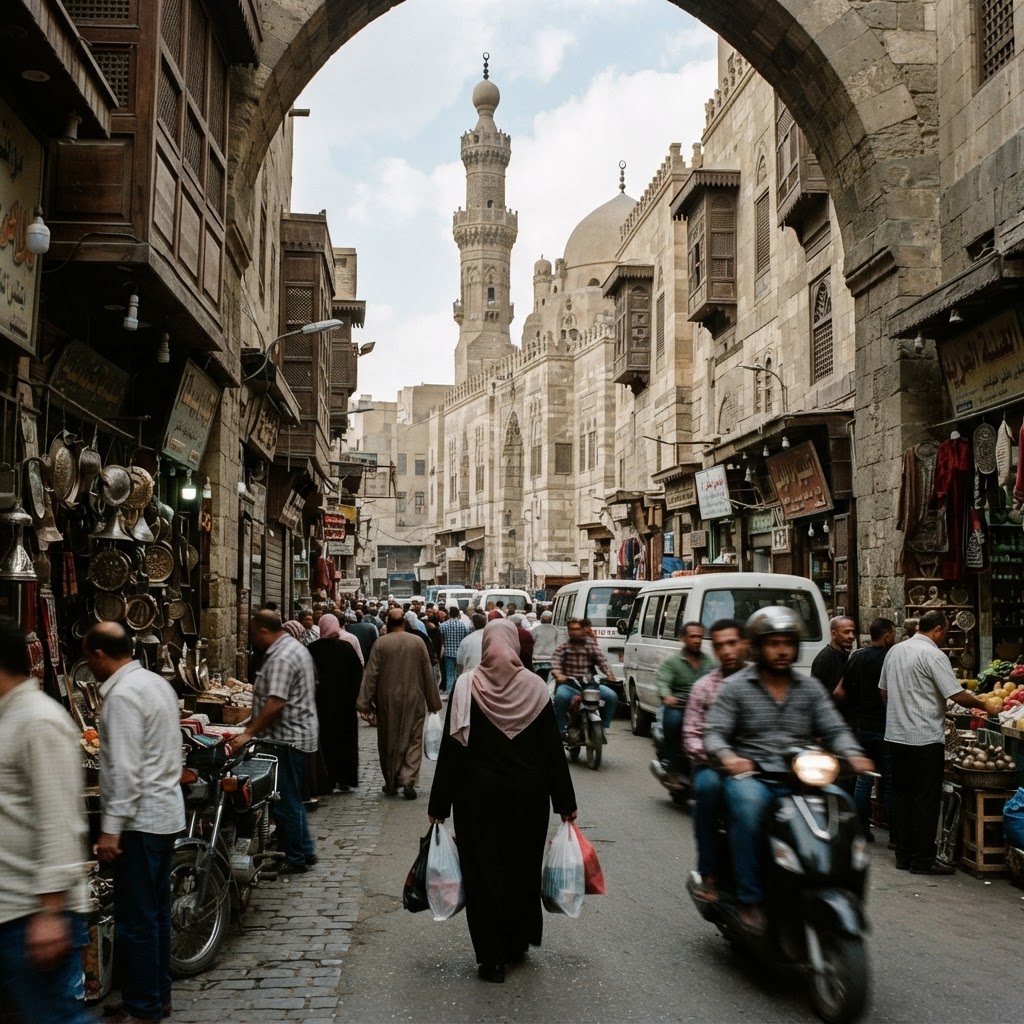
National Projects and Future Outlook
The government remains committed to its long-term development agenda, including the expansion of infrastructure in the New Administrative Capital and various energy-related projects. These initiatives are designed to diversify the economy and reduce reliance on traditional revenue streams. As Egypt moves into the final quarter of 2026, the combination of fiscal discipline, a recovering maritime sector, and active regional diplomacy remains the cornerstone of the administration's strategy to ensure long-term stability.
Comments (0)
Be the first to share your thoughts!
Your voice matters. Every comment helps build our community.
Discussion Starters
No comments yet. Be the first to share your thoughts!