


A More Tense European Mood Is Taking Shape
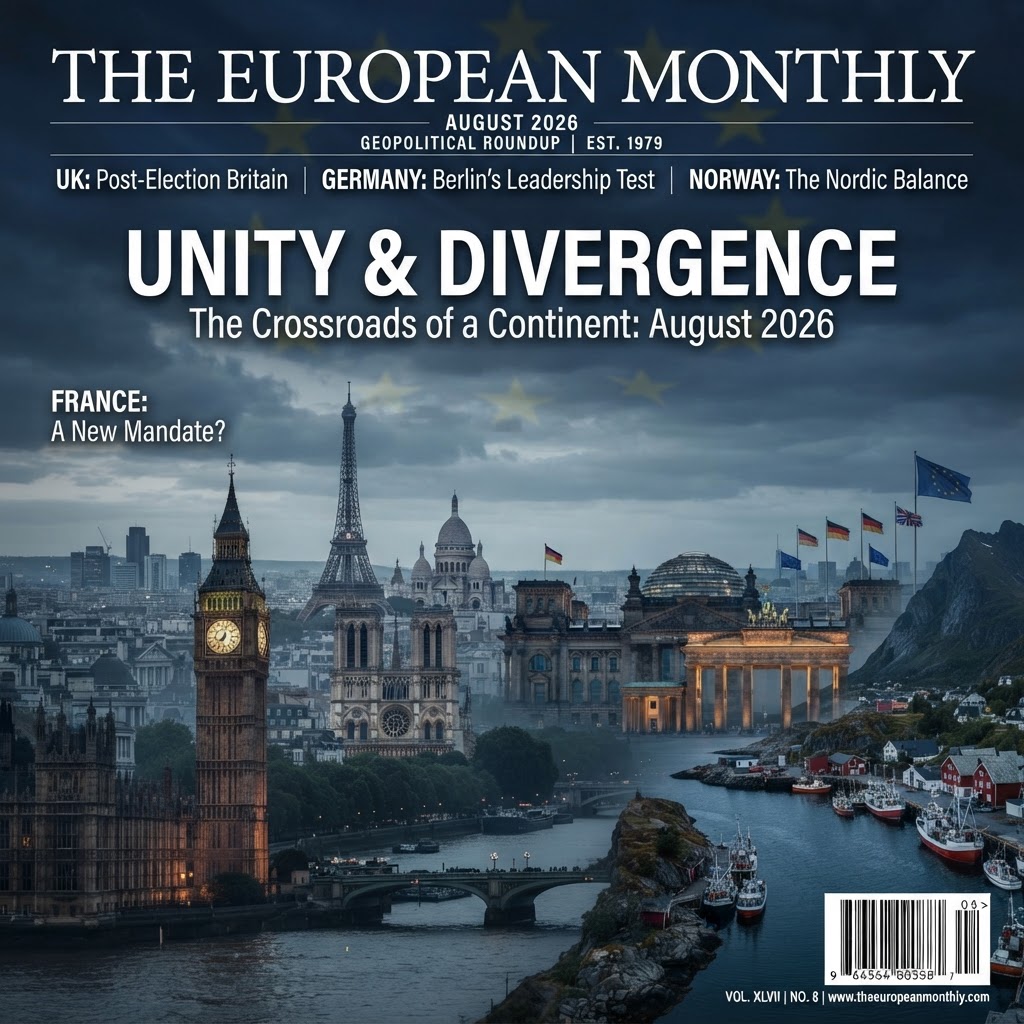
Across Europe, the political weather is changing. France, Britain, Germany and Norway are each dealing with different immediate pressures, but the underlying story is increasingly shared: security risk, economic competition and strategic self-protection are moving to the center of government decision-making.
The result is a Europe that looks less like a bloc settling back into normalcy and more like a region preparing for a more contested autumn.
France Tightens the Gate
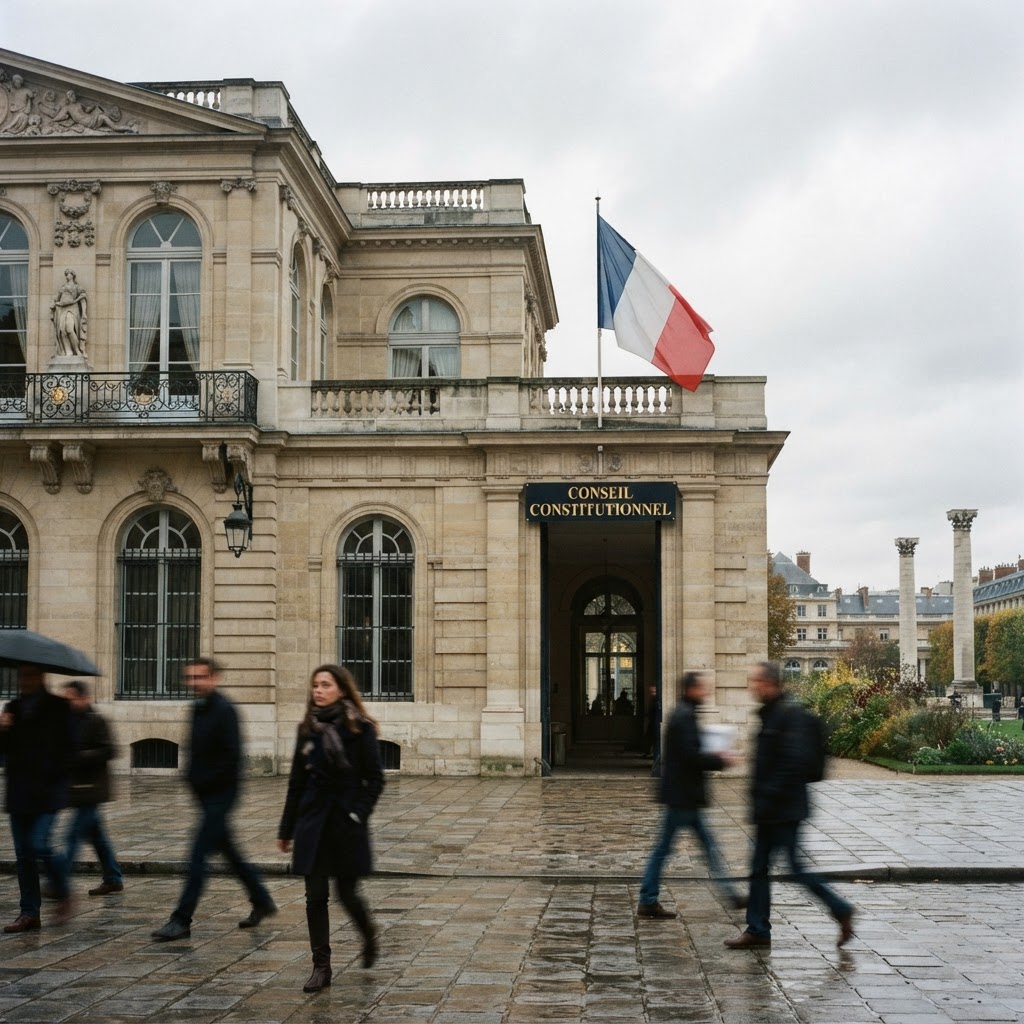
In France, Reuters reported that Prime Minister Sebastien Lecornu issued a decree tightening oversight of non-European investment in companies operating in sensitive sectors. Under the new rule, acquisitions of 10% or more of a publicly traded French company in those areas can require government approval.
Paris says the goal is to protect technologies and businesses critical to national security at a time of heightened geopolitical strain. The change is notable not only because it lowers the threshold for intervention, but because it reflects a broader French instinct now visible across Europe: economic openness is being rebalanced against strategic caution.
Britain Searches for Growth and Stability
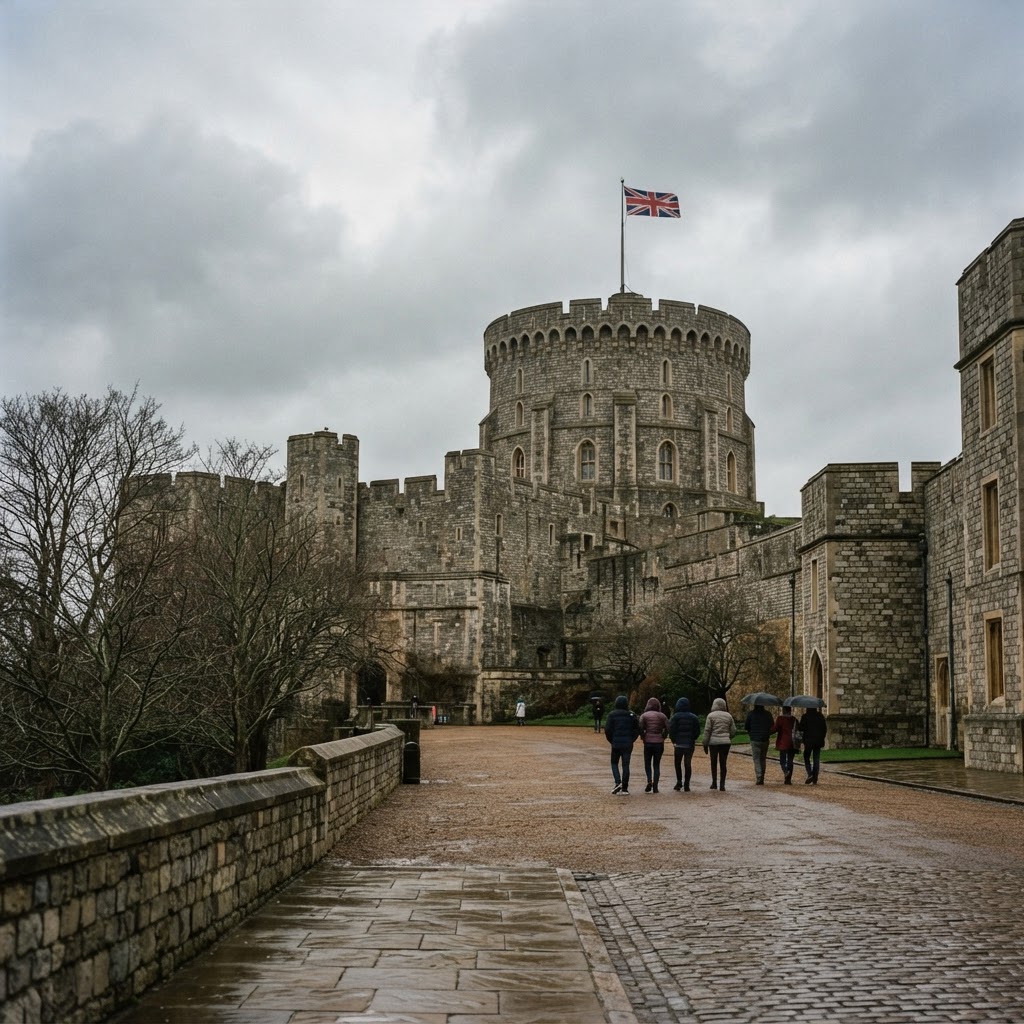
In Britain, the pressure looks different but related. Reuters reported that the government announced nearly £130 million in funding for zero-emission vehicle technology, an attempt to strengthen industrial competitiveness while signaling a future-facing growth plan.
At the same time, Reuters said Britain’s jobs market is showing signs of stabilisation, offering some welcome relief after a prolonged cost-of-living squeeze. For London, the challenge is to turn modest signs of recovery into something more durable — not just politically, but economically.
That makes Britain part of the same wider European story: governments are trying to reassure voters that they can protect living standards while also investing in the industries that will define the next decade.
Germany Enters an Anxious Election Season
Germany’s immediate tension is political. Reuters reported that German security sources say Russian-backed disinformation campaigns are escalating ahead of state elections, with local rivals of the far-right Alternative for Germany frequently targeted.
The warning lands at a highly sensitive moment. Polls suggest the AfD is positioned for major gains in parts of eastern Germany, making the information battle part of the larger contest over the country’s political direction.
This is not just a German concern. It is one of the clearest European examples of how security threats now move through digital influence, electoral trust and internal polarization rather than only through conventional military pressure.
Norway Moves Closer to Europe’s Strategic Core
Norway, meanwhile, is sharpening its role in Europe’s security architecture. Reuters reported earlier that Oslo will open talks with France on closer cooperation around French nuclear deterrence activities, part of a broader defence agreement that signals a deeper European strategic alignment.
Norway remains firmly anchored in NATO, but the move shows how even traditionally Atlanticist countries are thinking more seriously about Europe’s own deterrence capacity. That is a significant shift, especially as uncertainty about long-term external guarantees continues to hover over the continent.
Norway also remains central to Europe’s energy resilience, giving it outsized weight in a moment when fuel security, electricity costs and industrial competitiveness are once again tightly linked.
The Bigger European Story
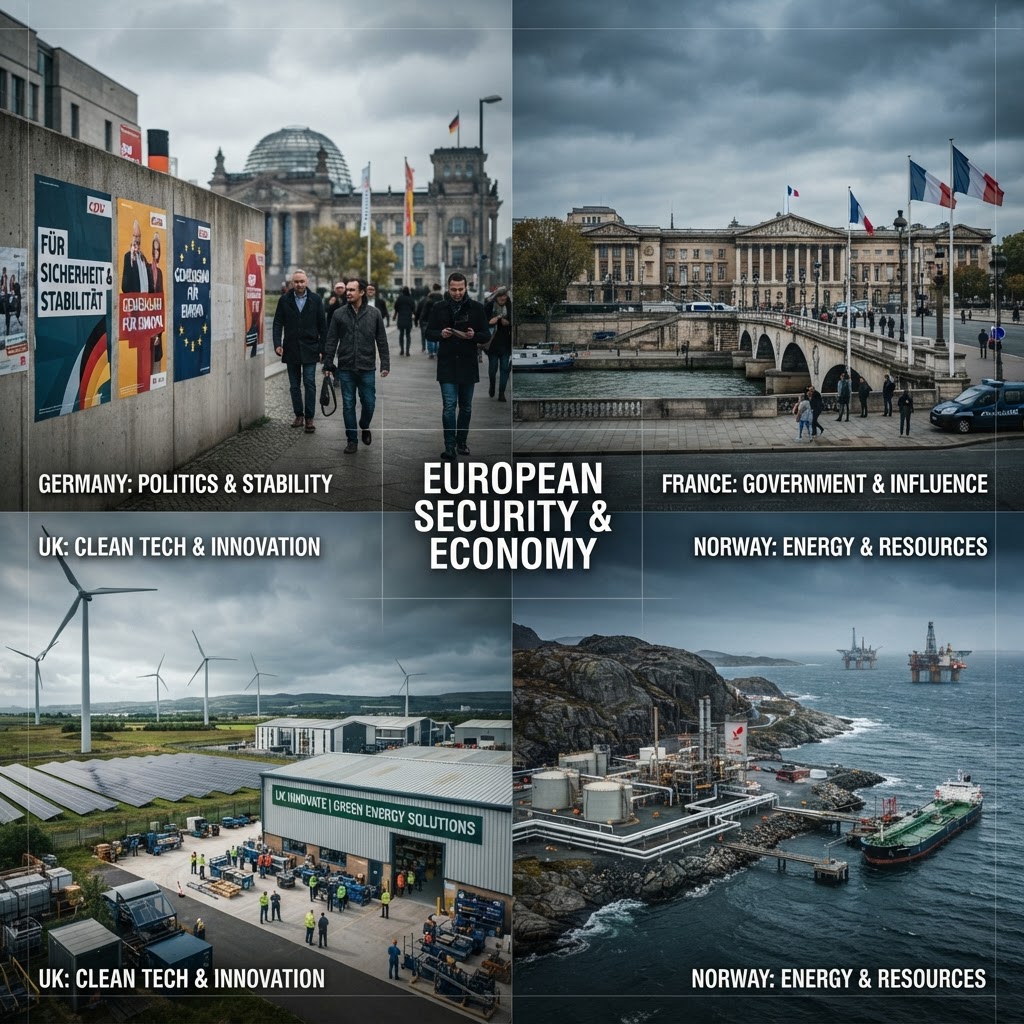
Taken together, these developments point to a larger continental reality. France is guarding strategic assets. Britain is trying to rebuild confidence through industrial policy. Germany is defending the integrity of its democratic process. Norway is leaning deeper into Europe’s defence and energy calculations.
These are separate national stories, but they are all responses to the same era: one defined by war-driven uncertainty, economic vulnerability, contested technology, and the need to protect both democratic institutions and national capacity.
Europe is not moving in a single straight line. But it is clearly moving toward a tougher model of statecraft — one where security, growth and sovereignty are no longer treated as separate debates.
What to Watch Next
The next test will be whether these governments can turn defensive measures into public confidence. Voters will want to know whether tighter screening, new funding, stronger security warnings and deeper military coordination actually improve daily life and long-term stability.
That is the question hanging over Europe now. The headlines may differ from Paris to London to Berlin to Oslo, but the pressure underneath them is increasingly the same.
Source note: This roundup is based on recent Reuters reporting on France’s foreign investment screening changes, Britain’s zero-emission vehicle funding and labour-market update, Germany’s election disinformation concerns, and Norway’s evolving strategic cooperation with France.
Comments (0)
Be the first to share your thoughts!
Your voice matters. Every comment helps build our community.
Discussion Starters
No comments yet. Be the first to share your thoughts!