




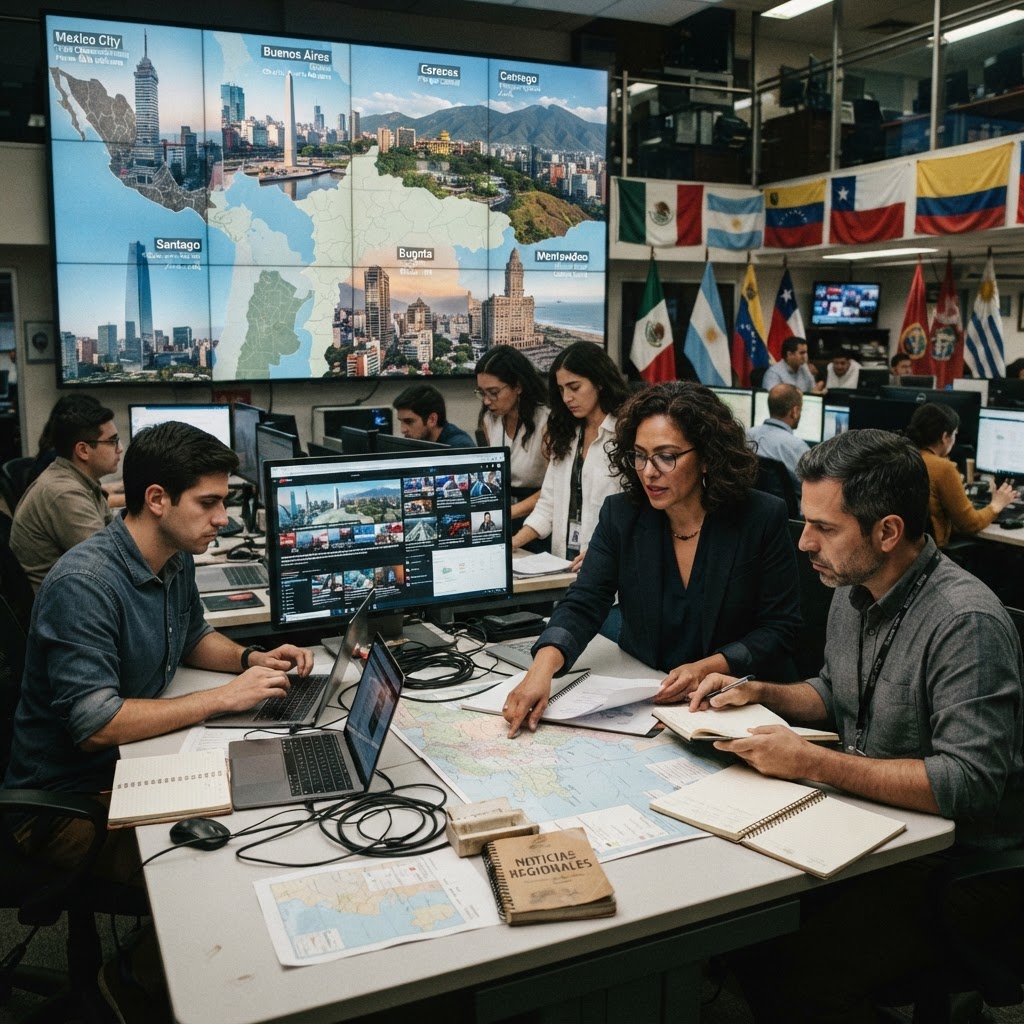
A region moving through different crises at the same time
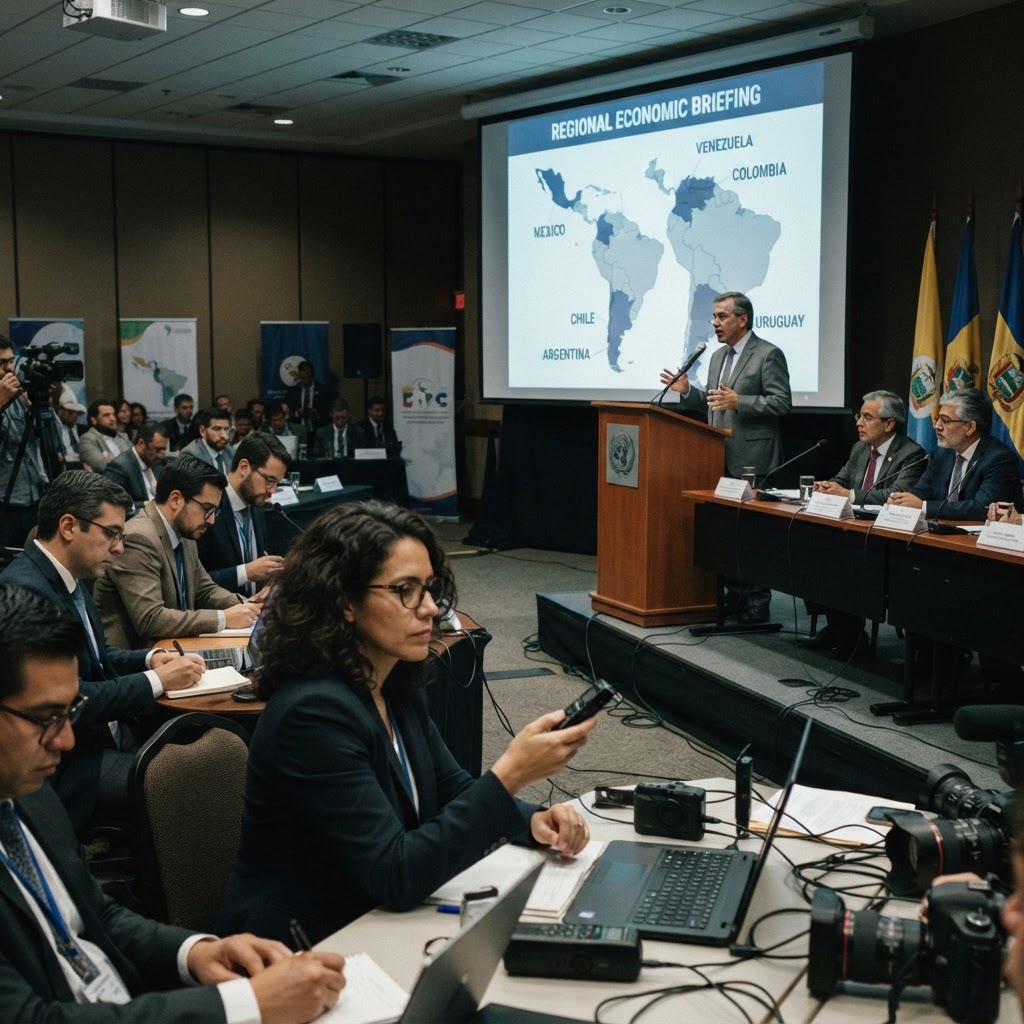
Latin America is once again showing how quickly national stories can become regional signals. Mexico, Argentina, Venezuela, Chile, Colombia and Uruguay are all facing different immediate pressures, but taken together they reveal a broader pattern: political strain is rising, economic confidence remains fragile and public patience is thinning across much of the region.
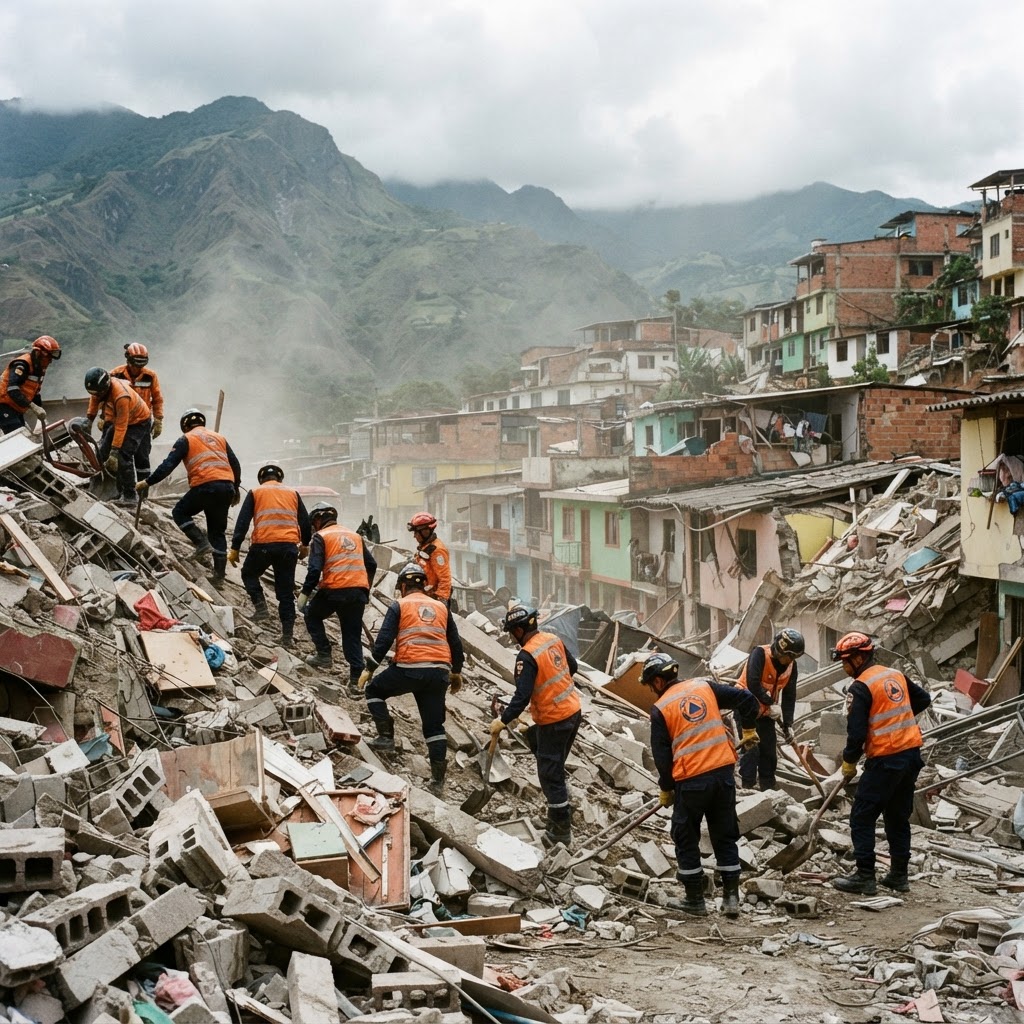
Some countries are wrestling with leadership transitions or political realignment. Others are balancing inflation, trade uncertainty, security concerns or the fallout from natural disaster. The details differ from capital to capital, but the regional picture is clear. Latin America is not in a single crisis. It is navigating several overlapping ones at once.
Mexico remains central to the region’s economic and diplomatic direction
Mexico’s importance extends beyond its own borders because its economy is so closely tied to North American trade, investment flows and security debates. Questions around the future of cross-border commerce and domestic political pressure continue to place Mexico at the center of wider regional attention. When Mexico faces uncertainty, businesses and policymakers across the hemisphere pay attention.
At the same time, Mexico’s internal security and governance debates continue to shape how the country is seen abroad. That matters not only for investor confidence, but for its political influence across Latin America, where it remains one of the region’s most consequential powers.
Argentina and Chile reflect the pressure on Southern Cone politics
Argentina continues to symbolize the sharp tension between economic reform and political stability. Public frustration, elite realignment and the constant pressure of economic adjustment have made the country a barometer for whether painful reforms can survive sustained political turbulence. Every cabinet shift or policy dispute is therefore watched for what it says about both governability and investor trust.
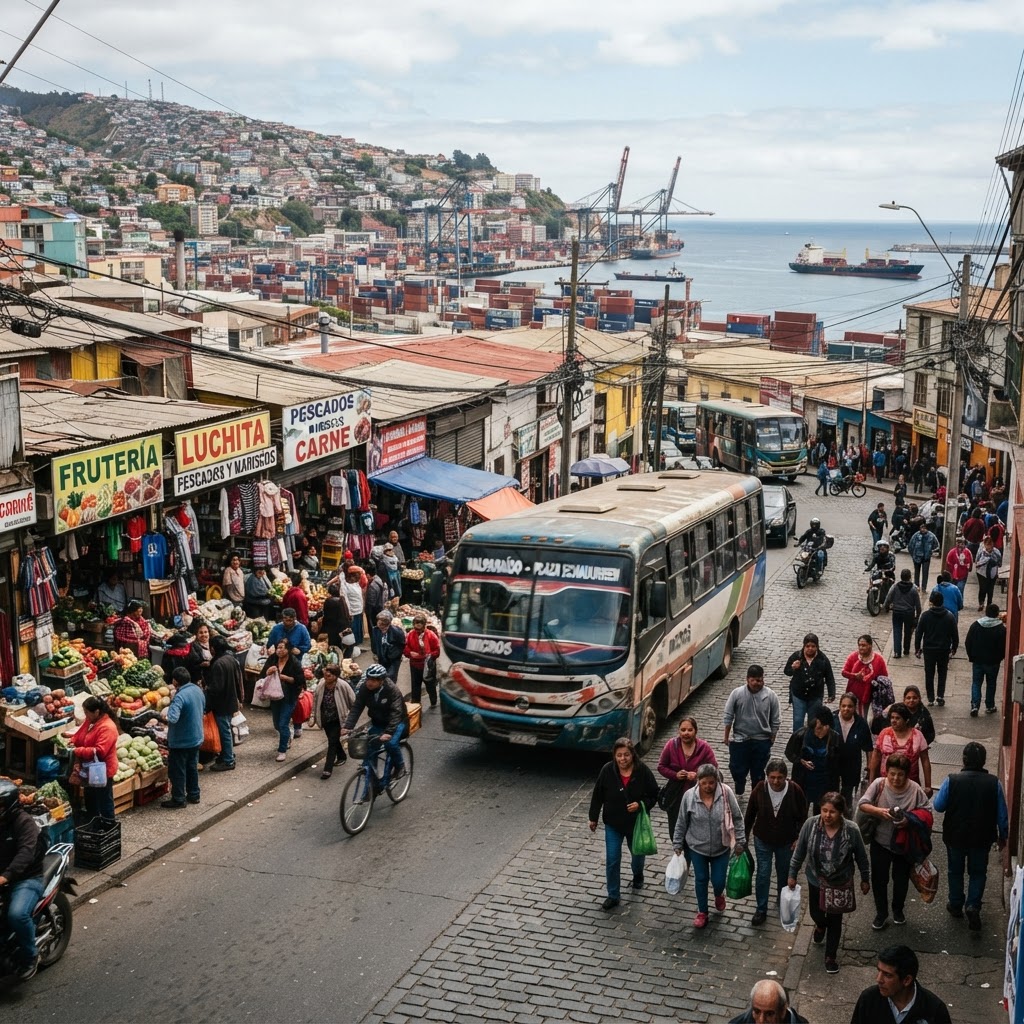
Chile, long seen as one of the region’s more institutionally stable democracies, is also feeling the effects of political fragmentation and coalition stress. That does not mean collapse, but it does point to a deeper regional reality: even countries once viewed as relatively predictable are under pressure from polarization, slower growth and a more demanding electorate.
Venezuela and Colombia show two sides of instability
Venezuela remains burdened by a crisis that is both immediate and long-term. The country’s humanitarian, economic and political vulnerabilities continue to shape the wider region, particularly when disaster or instability adds new pressure to already fragile systems. Venezuela’s difficulties also continue to affect migration, diplomacy and social services far beyond its borders.
Colombia, meanwhile, is navigating a period of major political consequence of its own. Electoral shifts and security concerns are being read not only as national developments, but as signs of where regional politics may be heading. Changes in Colombia matter because the country sits at the crossroads of democratic contestation, security policy and Andean geopolitics.
Uruguay’s unease shows that even stable systems are not immune
Uruguay has traditionally been viewed as one of the region’s steadier democracies, yet even there public sentiment has shown signs of strain. Falling approval, social frustration or economic anxiety in a country known for institutional calm can serve as a warning that regional dissatisfaction is running deeper than headline crises alone suggest.
This is important because Latin America’s challenge today is not just extreme instability in the most troubled places. It is also the quieter erosion of confidence in systems once thought resilient.
The common thread is confidence
The region’s biggest political and economic problem may be confidence itself. Citizens want security, affordability and competence. Businesses want predictability. Governments want room to maneuver. But confidence is difficult to rebuild when public trust is low, external markets are uncertain and each fresh political shock in one country seems to echo through the next.
Mexico worries markets for trade reasons. Argentina tests patience with reform and volatility. Venezuela embodies prolonged fragility. Chile reflects the strain on consensus politics. Colombia raises questions about the direction of power and security. Uruguay reminds the region that no democracy is fully insulated from dissatisfaction.
What comes next for Latin America
The story across these countries is not one of uniform decline. Latin America remains politically dynamic, institutionally diverse and economically capable of recovery. But the present moment demands steadier leadership and more durable public trust than many governments currently possess.
For Mexico, Argentina, Venezuela, Chile, Colombia and Uruguay, the coming months will be shaped by whether leaders can calm uncertainty before it hardens into deeper instability. For the wider region, the lesson is simpler: local crises no longer stay local for long. In today’s Latin America, each national tremor is part of a broader continental test.


Comments (0)
Be the first to share your thoughts!
Your voice matters. Every comment helps build our community.
Discussion Starters
No comments yet. Be the first to share your thoughts!