



Across the continent, the economic outlook is becoming more complicated as governments try to protect growth from a string of external shocks. Reuters reported that the African Development Bank expected Africa’s economic growth to slow to 4.2% in 2026 as the Middle East crisis pushed up energy and import costs and worsened food-security risks.
That warning matters because many African economies entered the year hoping for steadier inflation, improving trade conditions, and stronger investment sentiment. Instead, higher fuel bills and supply pressures have started to squeeze public finances and household spending at the same time.

The result is a continent-wide balancing act. Governments need to defend consumers, keep infrastructure plans moving, and avoid new debt stress, all while navigating a global environment that remains volatile. The picture is not one of collapse, but of rising strain.
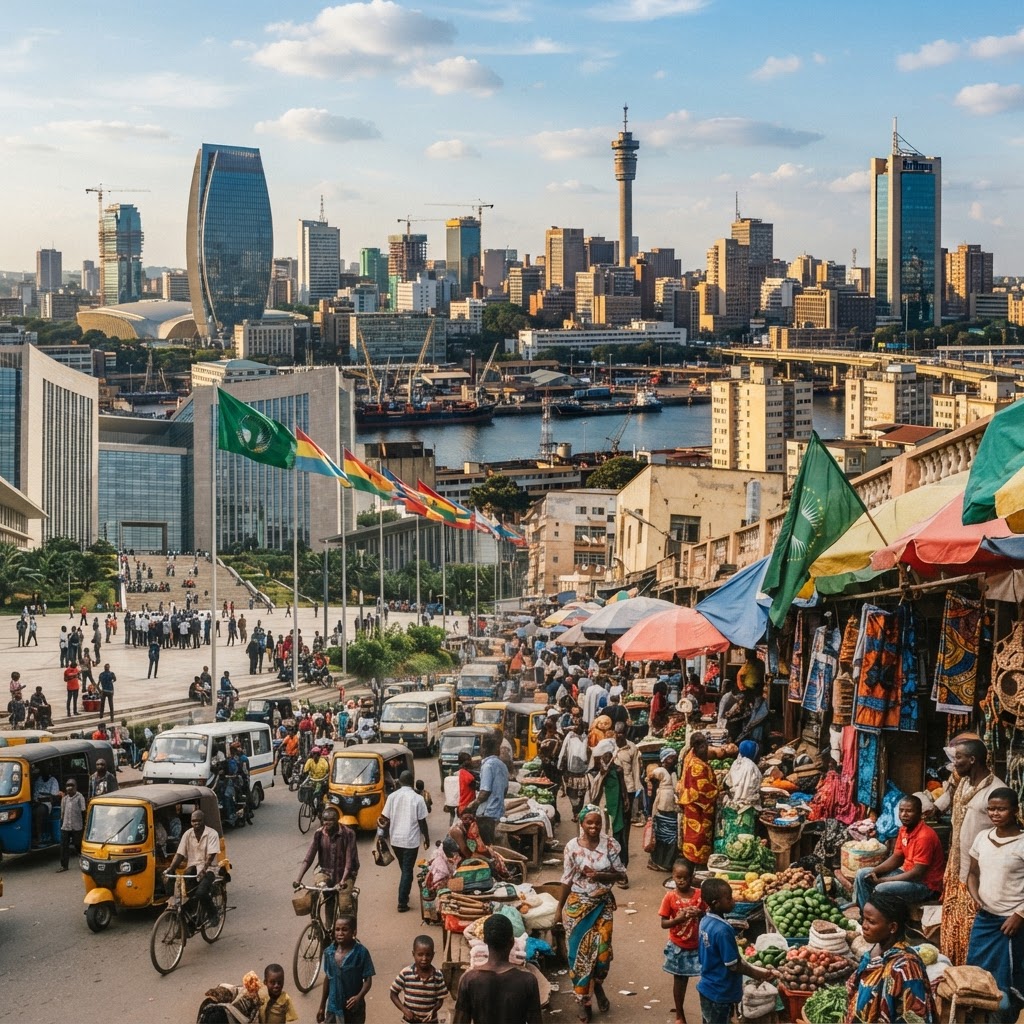
Africa’s strength remains its demographic momentum, regional trade ambitions, and fast-growing urban economies. But the latest forecasts suggest that 2026 may be less about acceleration and more about how effectively countries can absorb global shocks while protecting their long-term development path.


Comments (0)
Be the first to share your thoughts!
Your voice matters. Every comment helps build our community.
Discussion Starters
No comments yet. Be the first to share your thoughts!