





PARIS — France is entering a more uncomfortable phase of its economic debate, with weaker growth expectations raising pressure on the government’s already difficult effort to keep the country’s public finances on a more credible path.
Reuters reported on July 7 that France trimmed its 2026 economic growth forecast, a move that immediately intensified concern over whether the country’s deficit target could still be reached. That combination — softer growth and persistent fiscal pressure — is especially sensitive in France, where social expectations, political divisions, and market scrutiny often collide in the budget process.
The issue is not simply technical. Slower growth reduces the room available to balance spending discipline with social stability, and it complicates the message Paris wants to send to investors and European partners. Every revision to the growth outlook now carries a broader political meaning: whether the French state can adjust without triggering deeper frustration.
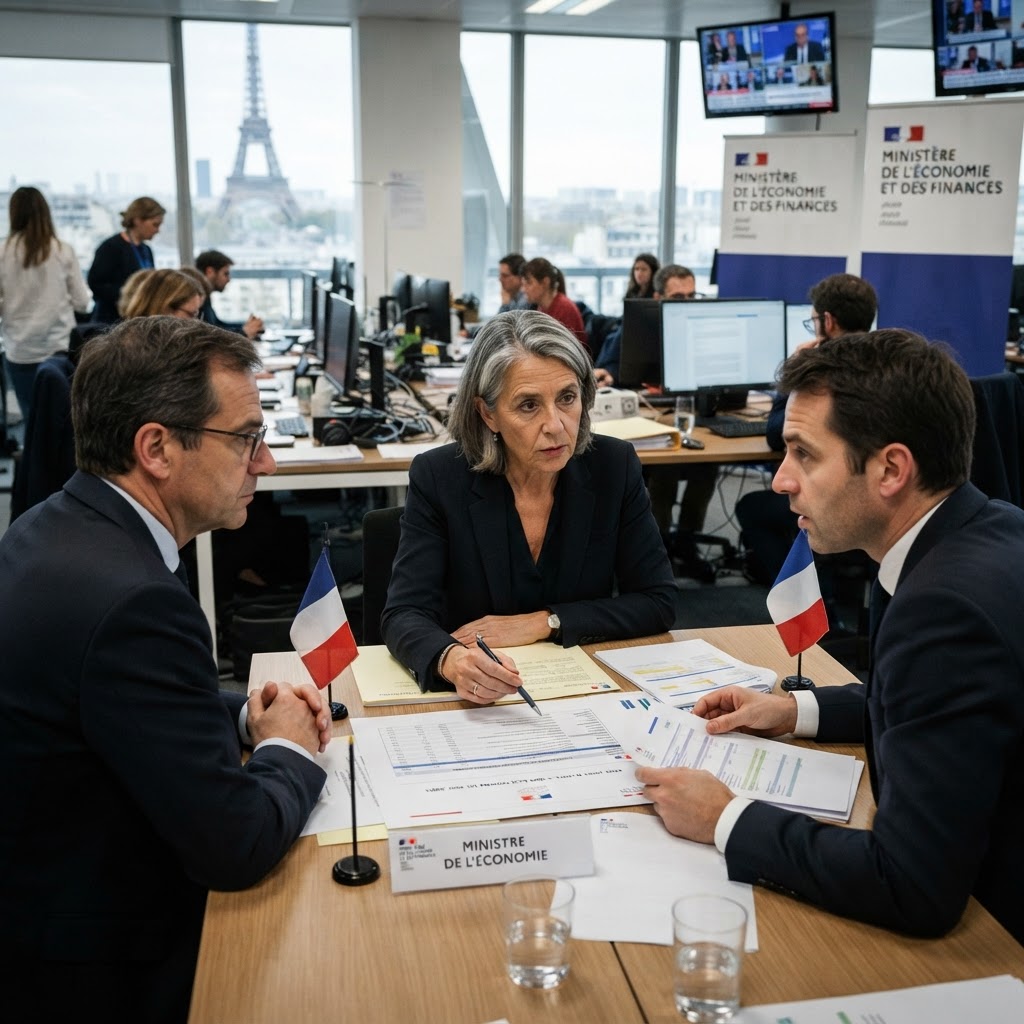
France’s challenge also reflects a wider European concern. Governments across the continent are trying to respond to geopolitical risk, higher financing pressure, and public demands for protection, all while keeping debt trajectories from becoming politically or financially destabilizing. In France, those tensions are especially visible because fiscal policy has long been central to the country’s social contract.
For now, Paris is trying to manage the story before markets impose a harsher one. But with growth softer than expected and deficit goals under renewed scrutiny, France’s economic choices in the months ahead are likely to become a defining test of both policy credibility and political resilience.




Comments (0)
Be the first to share your thoughts!
Your voice matters. Every comment helps build our community.
Discussion Starters
No comments yet. Be the first to share your thoughts!