
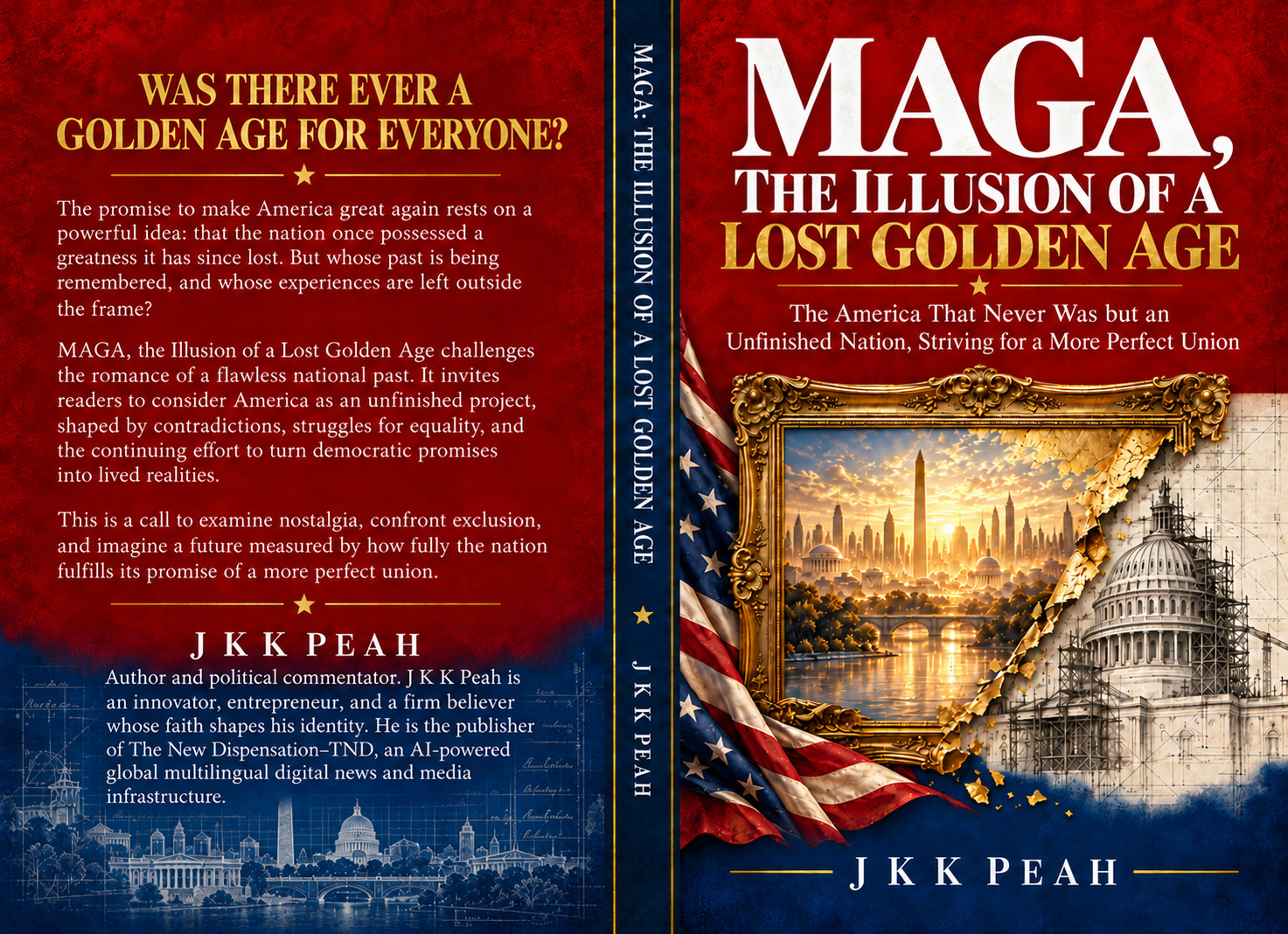



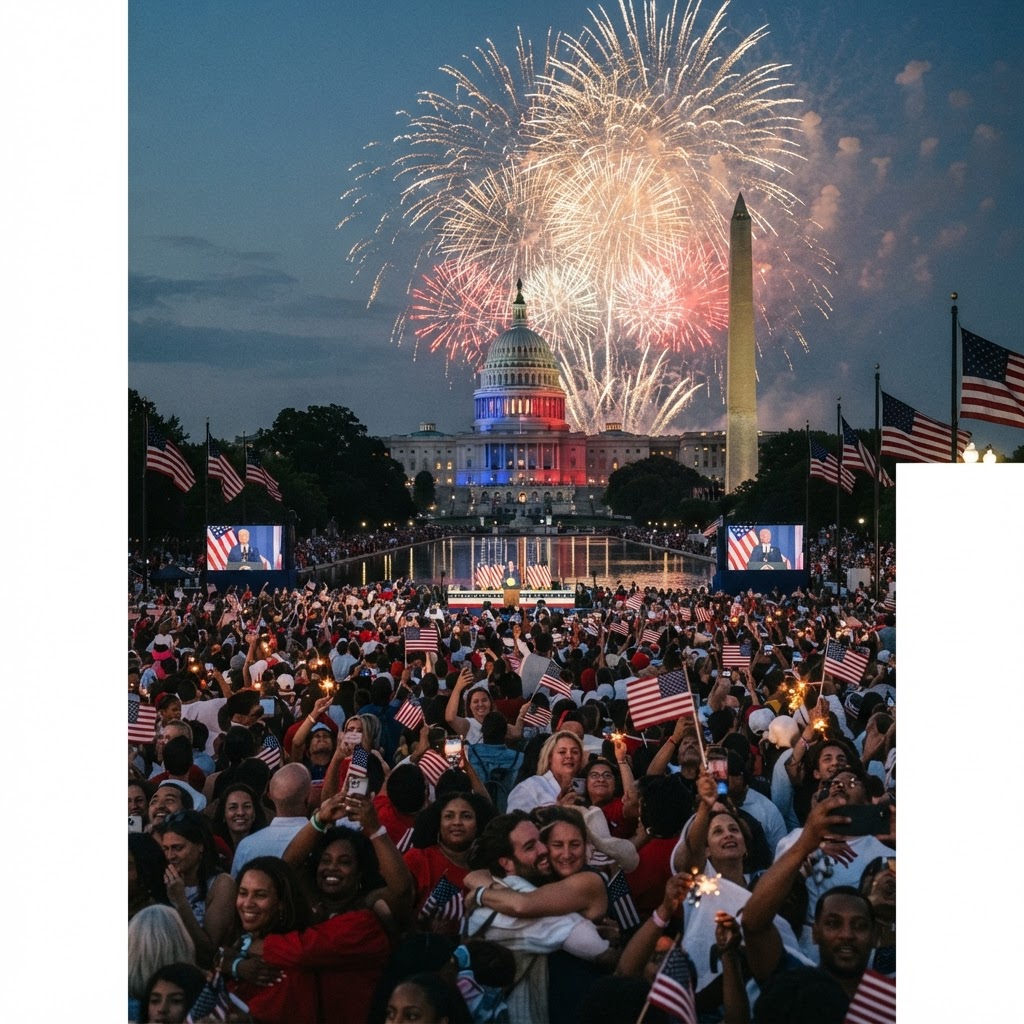
The Fourth of July in 2026 was never going to be an ordinary Independence Day.
With the United States celebrating 250 years since the Declaration of Independence, this year’s national observance carried unusual historical weight. But the holiday also arrived at a moment of intense political tension, giving the celebration a second meaning: not only a remembrance of the country’s founding, but a live expression of the struggle over what kind of America is now being shaped under President Donald Trump’s administration.
Across a weekend of pageantry, speeches, fireworks, and symbolism, the Trump White House used the Fourth of July to present a broader political message — one centered on presidential strength, nationalism, ideological confrontation, and cultural ownership of the American story.
A celebration wrapped in politics
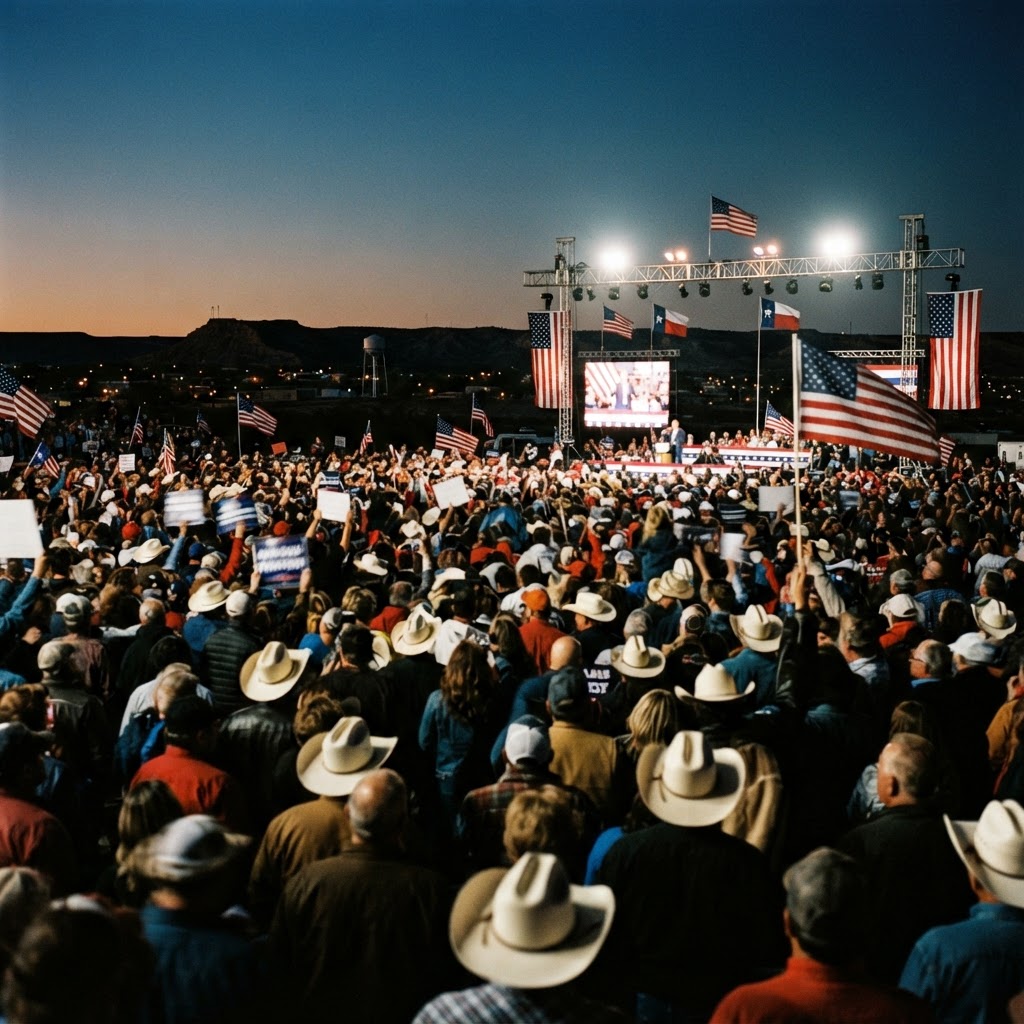
President Trump’s remarks around the July 4 observances made clear that the administration was treating the anniversary not simply as a civic holiday, but as a political stage. In public speeches tied to the celebration, Trump praised American greatness, cast the nation’s future as a battle against what he described as a rising “communist” threat, and connected that warning to his long-running arguments about immigration, progressive politics, and national identity.
The message fit neatly into the administration’s larger political strategy. Rather than separating patriotic commemoration from campaign-style rhetoric, Trump blended them. The result was a Fourth of July framed not just as a unifying national ritual, but as a moment to define who truly represents the country’s values and who, in the administration’s view, threatens them.
The bigger political development: executive power
The timing of the celebration was especially significant because it followed one of the most consequential institutional developments of Trump’s second term. Just days before Independence Day, the U.S. Supreme Court expanded presidential authority over federal agencies, giving the White House broader power to remove regulatory officials who had previously enjoyed greater insulation from direct presidential control.
That ruling, widely seen as a major strengthening of executive power, added a deeper layer to the holiday’s political symbolism. Trump was not only celebrating the nation’s founding in grand style. He was doing so while emerging from a legal and constitutional moment that has increased his grip over key levers of government.
Supporters of this shift argue that it restores democratic accountability by placing executive authority more firmly under an elected president. Critics warn that it weakens institutional independence and risks turning previously insulated agencies into more openly political arms of the White House. Either way, the decision marks an important turning point in the balance of American government.
America’s story, contested in real time
That is what made this year’s Fourth of July especially revealing. The holiday’s language — freedom, independence, founding principles, national destiny — was familiar. But the political context around it was unusually sharp. Trump’s celebration of America at 250 doubled as an argument about power: who should wield it, how directly it should be exercised, and what national purpose it should serve.
For many Americans, the anniversary was a source of pride and reflection, a chance to honor the country’s endurance and its democratic promise. For others, it underscored how divided the nation remains over the meaning of patriotism itself. Can Independence Day still function as a broadly shared civic moment, or has it become inseparable from partisan struggle?
That question now sits at the heart of the American political climate. The Trump administration has shown little interest in treating symbolism as neutral. It understands that public rituals matter, that history matters, and that national celebrations can be powerful instruments of political storytelling.
The road ahead
As the country moves beyond the holiday weekend and toward the next phase of its political season, the significance of this year’s Fourth of July will likely endure. It offered a vivid snapshot of modern America: proud, polarized, theatrical, deeply symbolic, and still arguing over the meaning of its own founding ideals.
At 250, the United States remains capable of staging grand national celebration. But it is also a nation in the midst of a fierce debate about power, identity, and democratic limits. Under Trump, those debates are not happening on the sidelines of public life. They are increasingly taking center stage.
Conclusion
The 2026 Independence Day celebration was both ceremony and signal. It celebrated the American story, but it also revealed how aggressively that story is now being contested. In the Trump era, even the Fourth of July is not just about the past. It is about who gets to define the country’s future.
Comments (0)
Be the first to share your thoughts!
Your voice matters. Every comment helps build our community.
Discussion Starters
No comments yet. Be the first to share your thoughts!