



World events moved at remarkable speed this week, with governments, international organizations, and citizens responding to a mix of geopolitical strain, humanitarian emergencies, and political upheaval across several regions.
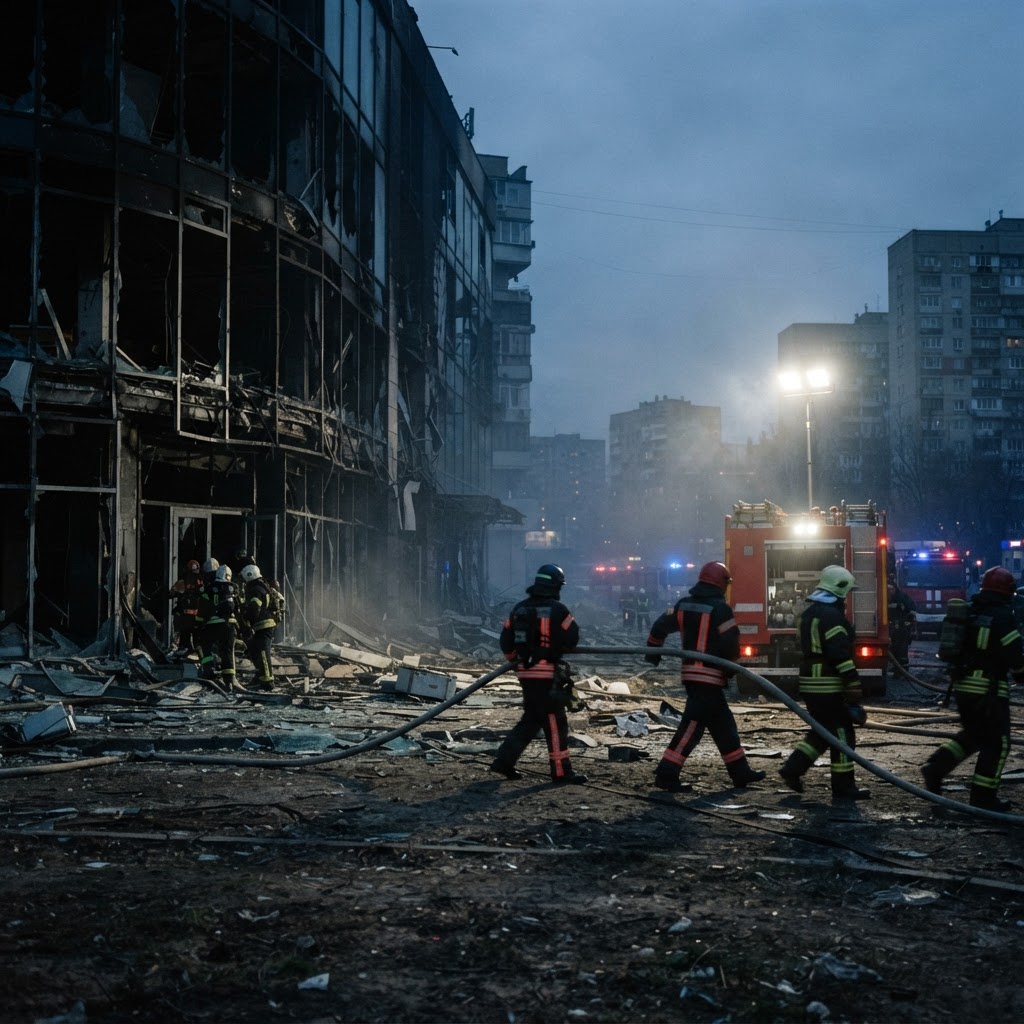
In Europe, fresh concern followed reports of a drone strike that hit a residential area in Romania, prompting condemnation from both NATO and the European Union. The incident added to fears that the wider conflict linked to the war in Ukraine could create deeper instability beyond the battlefield itself. European leaders have renewed calls for vigilance, de-escalation, and stronger regional coordination.
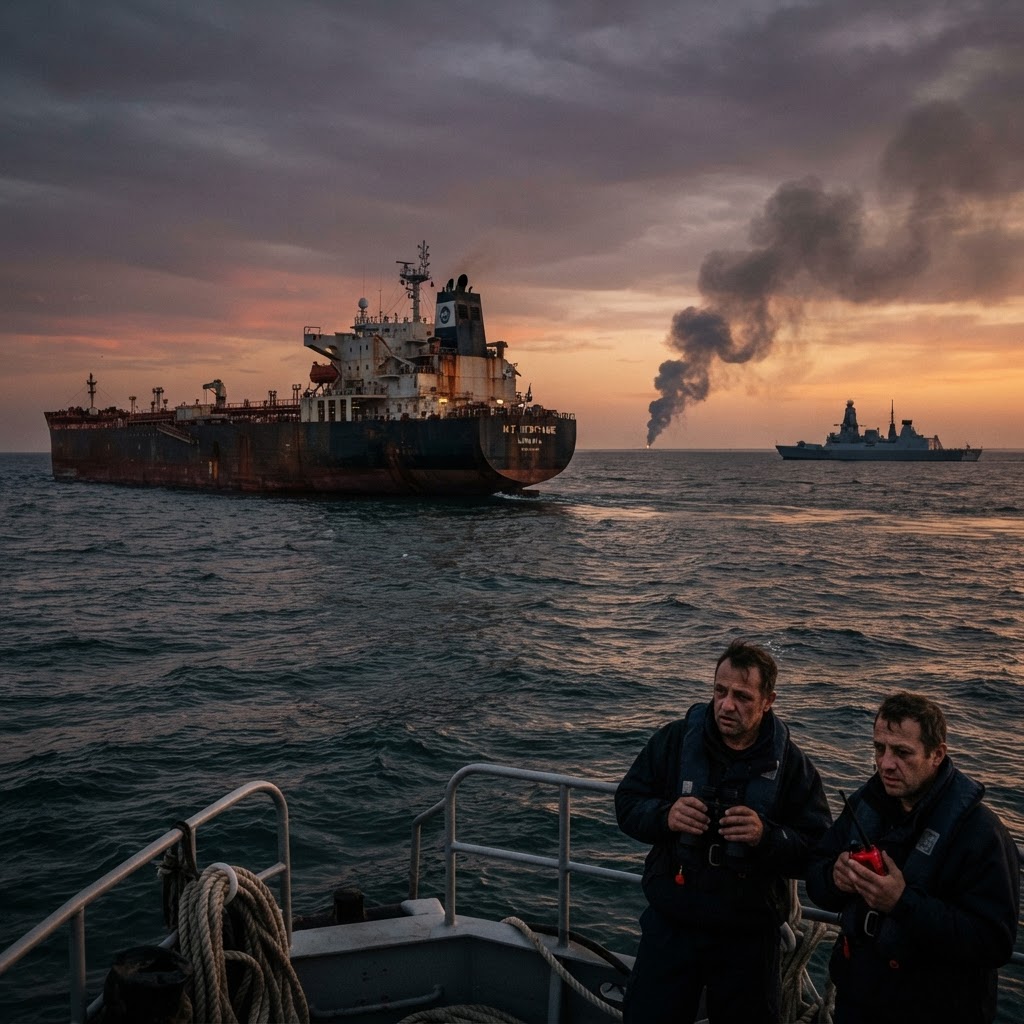
In the Middle East, diplomatic attention turned sharply toward Iran after high-level meetings in Washington signaled that major decisions may be approaching. Even without a finalized public agreement, the tone of recent discussions suggested that the coming days could prove critical for regional security, energy markets, and broader international relations. At the same time, Israel came under intensified international scrutiny after being placed for the first time on a United Nations blacklist related to sexual violence in war zones, a development likely to fuel diplomatic friction and renewed debate over accountability.
Asia also delivered one of the week’s most dramatic human stories. In Laos, rescuers succeeded in bringing out the first of several men trapped alive in a flooded cave after days of uncertainty. The operation captured international attention and highlighted both the risks faced by rescue teams and the resilience of those trapped underground. Elsewhere in the region, concerns over long-term planning in space exploration grew after a major rocket explosion cast new doubts over the timeline and reliability of future Moon mission goals.
In Africa, Ghana’s parliament drew global reaction after passing a controversial anti-LGBTQ+ bill, a move expected to trigger legal, diplomatic, and human-rights challenges. In Kenya, authorities arrested students following a deadly school fire, deepening public concern over safety standards and accountability in educational institutions. Both stories underscored how domestic decisions can quickly become matters of international attention.
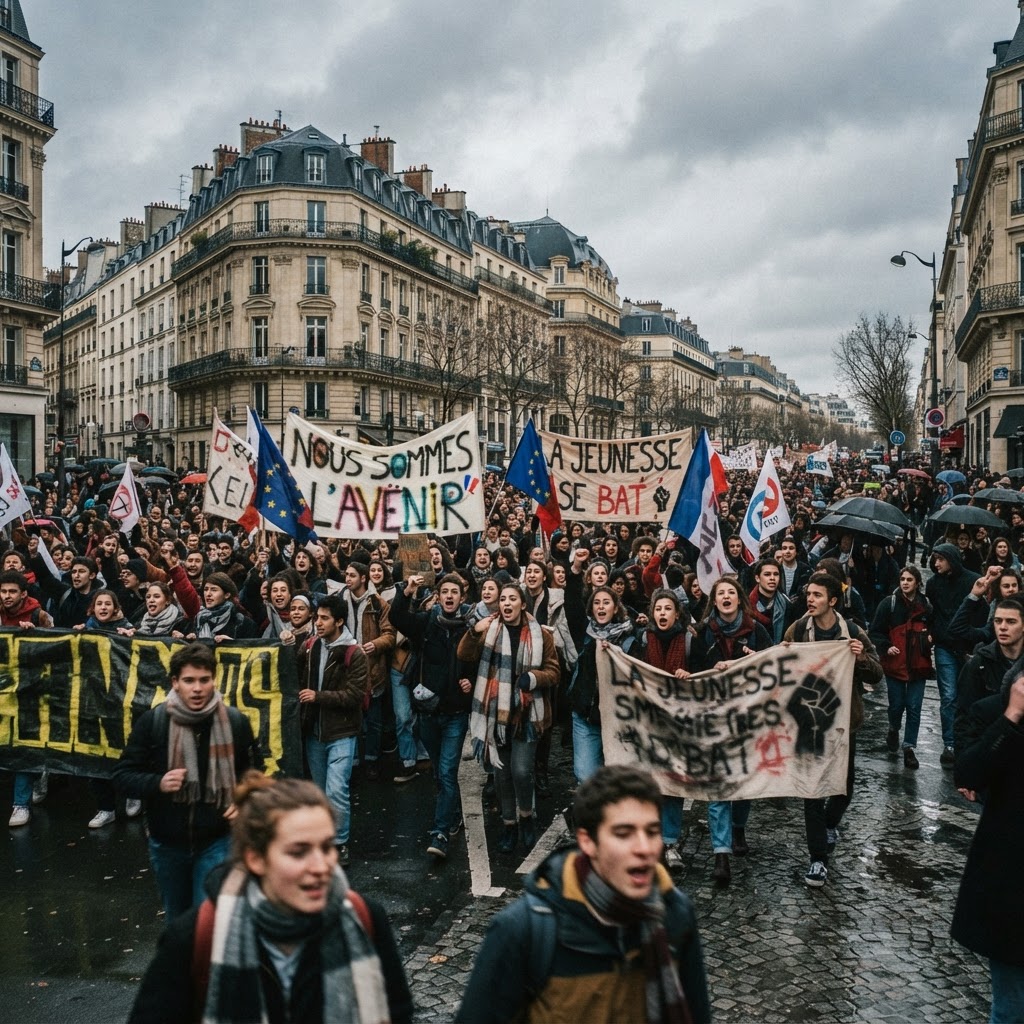
Spain also emerged as a major political focal point, where Prime Minister Pedro Sánchez faced intensifying pressure as scandals surrounding allies and close associates threatened to weaken his hold on power. The situation has evolved into more than a domestic dispute; it now reflects a wider European pattern in which public trust, political durability, and institutional credibility are under growing strain.
Taken together, these developments reveal a world increasingly defined by overlapping crises rather than isolated ones. Security, governance, rights, technology, and humanitarian response are colliding in real time, forcing leaders to react quickly while populations absorb the consequences.
For global observers, the message is clear: the international landscape remains highly unstable, but it is also deeply interconnected. A diplomatic shift in one capital, a strike near one border, or a legal decision in one parliament can now produce ripple effects far beyond national boundaries. In that reality, world news is no longer a collection of separate headlines. It is a single, fast-moving story about power, risk, and the struggle to maintain order in an unsettled age.
Comments (0)
Be the first to share your thoughts!
Your voice matters. Every comment helps build our community.
Discussion Starters
No comments yet. Be the first to share your thoughts!