






A New Chapter for African Diplomacy and Trade
ADDIS ABABA — As the African Union (AU) moves through the second half of 2026, the organization is doubling down on its dual mandate of securing a stronger voice in global governance and finalizing the continent’s most ambitious economic project to date. With 49 of 54 member states having ratified the African Continental Free Trade Area (AfCFTA), the focus has shifted decisively from negotiation to operational reality.
Amplifying Africa’s Voice on the Global Stage
The AU Peace and Security Council (PSC), currently under active leadership, has intensified its diplomatic efforts to reform international institutions. In early August 2026, the PSC reaffirmed its commitment to securing permanent representation for Africa on the United Nations Security Council. This push is part of a broader strategy to ensure that the continent’s perspectives on global conflicts and security are not merely heard, but integrated into the decision-making processes of the world’s most powerful body.
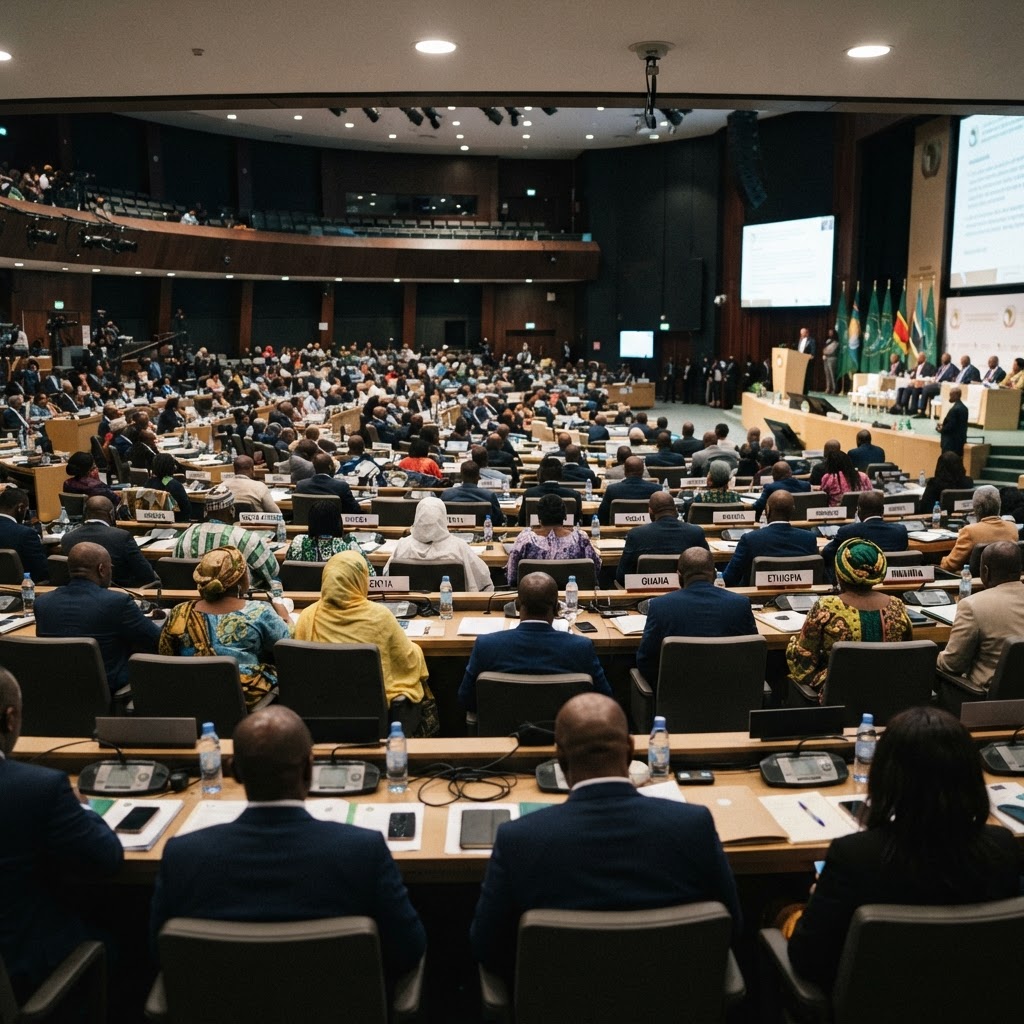
The African Union remains steadfast in its demand for a more equitable global order, where Africa’s demographic and economic weight is reflected in the halls of the United Nations.
This diplomatic offensive comes at a time when the AU is managing complex regional security challenges. The PSC continues to hold regular sessions to address country-specific crises, emphasizing the need for African-led solutions to continental instability, supported by the African Standby Force framework and the Continental Early Warning System.
AfCFTA: From Policy to Practice
While diplomatic efforts capture headlines, the economic engine of the continent is undergoing a structural transformation. The AfCFTA, which aims to create the world’s largest free trade area, is entering a critical implementation phase. Following the approval of Rules of Origin for the automotive sector earlier this year—which mandates 40% local content—policymakers are now tackling the remaining hurdles of tariff schedules and regulatory alignment.
Despite the progress, challenges persist. Afreximbank has cautioned that incomplete tariff schedules and capacity constraints could impede the speed of integration. To mitigate these risks, the High-Level Implementation Committee, chaired by Kenyan President William Ruto, is overseeing a more coordinated rollout. The committee is tasked with ensuring that the transition from legal frameworks to tangible trade outcomes is seamless for both small and medium-sized enterprises and large-scale manufacturers.
Digital Integration and Private Sector Engagement
A key pillar of the 2026 strategy is the digitalization of trade. New platforms, such as BiasharaLink and Deal House, are being deployed to help businesses navigate customs procedures and identify cross-border opportunities. By transforming embassies into "deal rooms," the AU hopes to bridge the information gap that has historically hindered intra-African commerce.
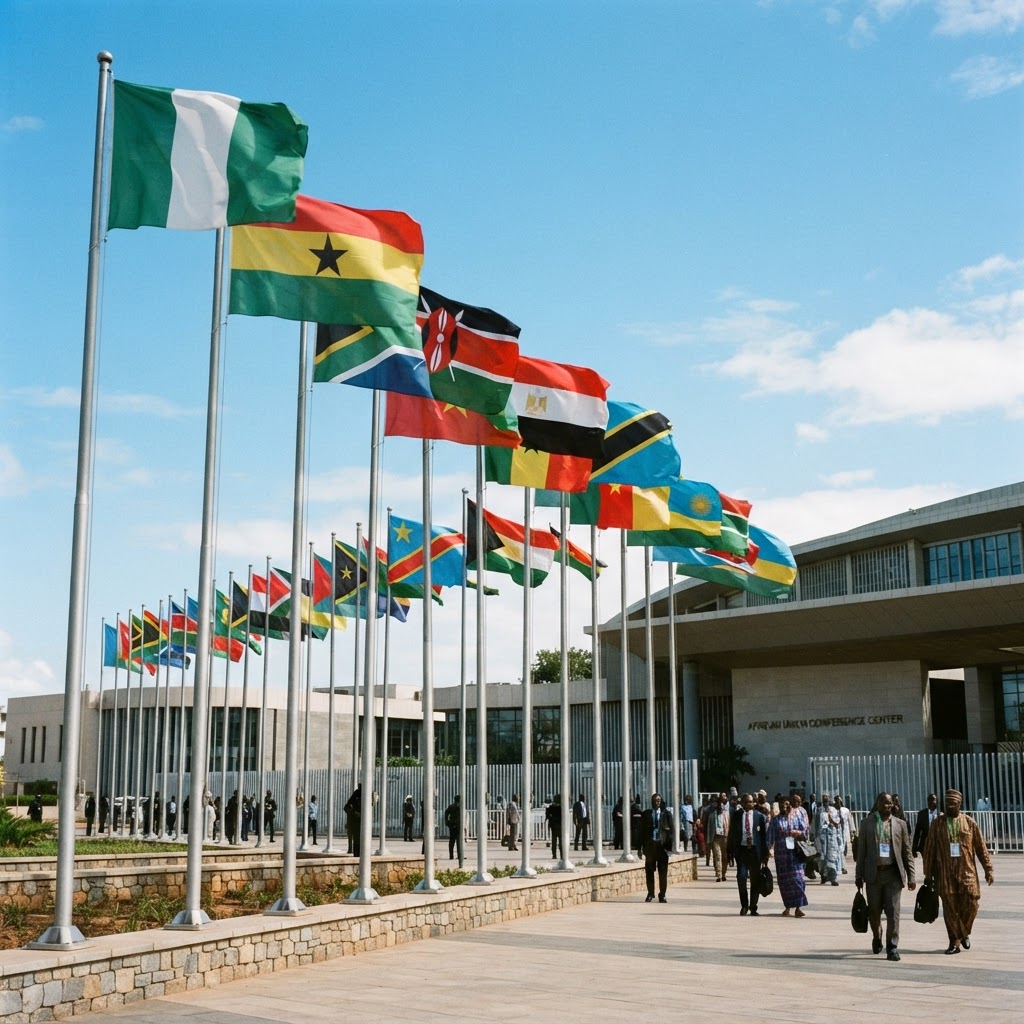
Furthermore, the AU’s focus on inclusivity remains a priority. Recent dialogues have emphasized the role of women and youth in the trade ecosystem, with initiatives aimed at improving digital literacy and access to finance. As the continent looks toward the remainder of 2026, the success of these initiatives will be measured by the ability of member states to translate high-level political commitments into increased intra-African trade and sustainable economic resilience.

Comments (0)
Be the first to share your thoughts!
Your voice matters. Every comment helps build our community.
Discussion Starters
No comments yet. Be the first to share your thoughts!