




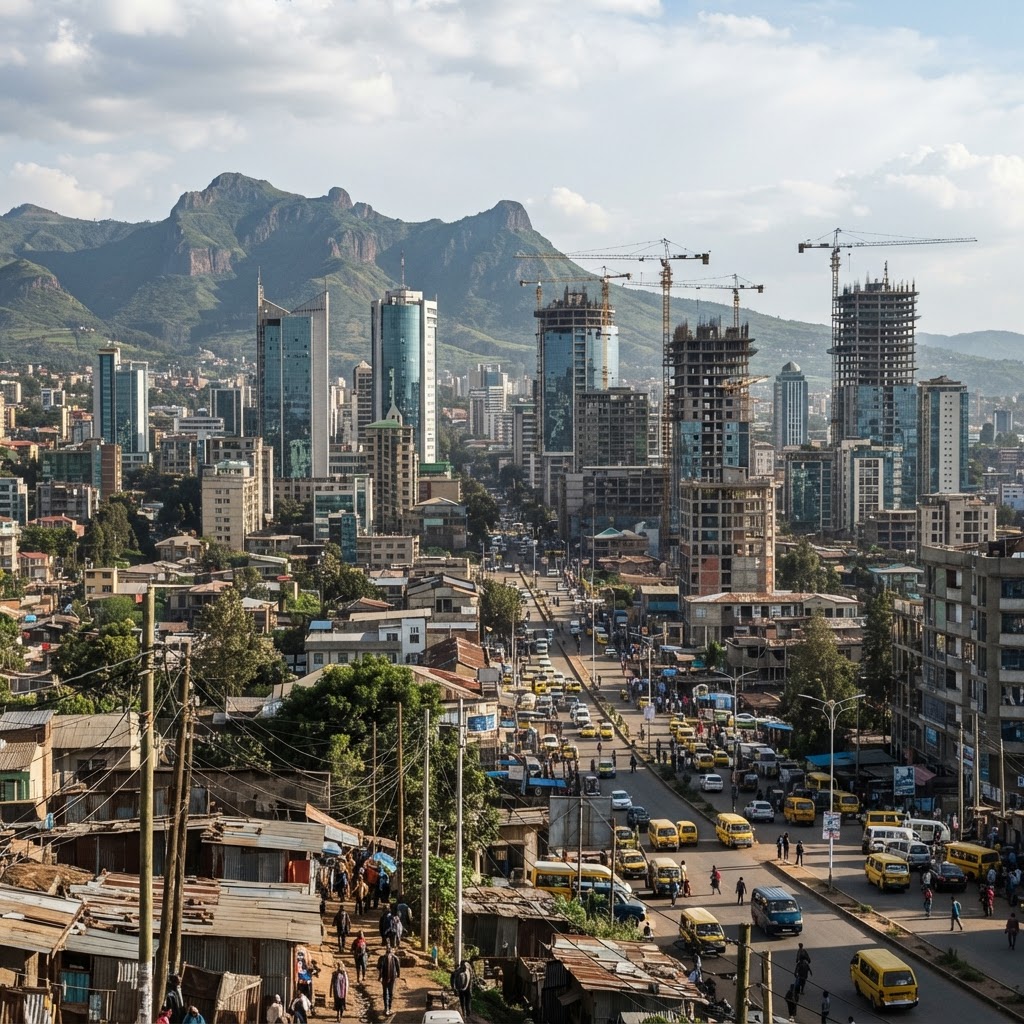
A Nation at a Crossroads: Security and Development in Ethiopia
ADDIS ABABA — As of August 2026, Ethiopia finds itself navigating a complex period defined by both ambitious infrastructure milestones and a deteriorating security environment. While the government continues to promote the Grand Ethiopian Renaissance Dam (GERD) as a beacon of regional prosperity, renewed armed conflict in the north has sparked concerns regarding long-term stability.
Renewed Conflict Strains Northern Borders
The fragile peace between the Ethiopian federal government and the Tigray People’s Liberation Front (TPLF) has fractured. Reports from early August 2026 indicate that fighting erupted across multiple fronts, stretching from the Humera border area near Sudan to Shererina in the south. Residents in the affected regions described persistent clashes that have heightened fears of a broader regional escalation.
The military leadership is monitoring the current situation with a high level of readiness, while reinforcing deployments at border crossings and checkpoints in anticipation of any security fallout should the fighting spread.
The instability is being closely watched by neighboring Eritrea, where leadership remains focused on the TPLF’s influence. Meanwhile, the Sudanese military, already managing internal conflicts in Kordofan and the Blue Nile, has expressed deep concern that a new war in northern Ethiopia could further destabilize its own eastern border.
The GERD: Development vs. Securitization
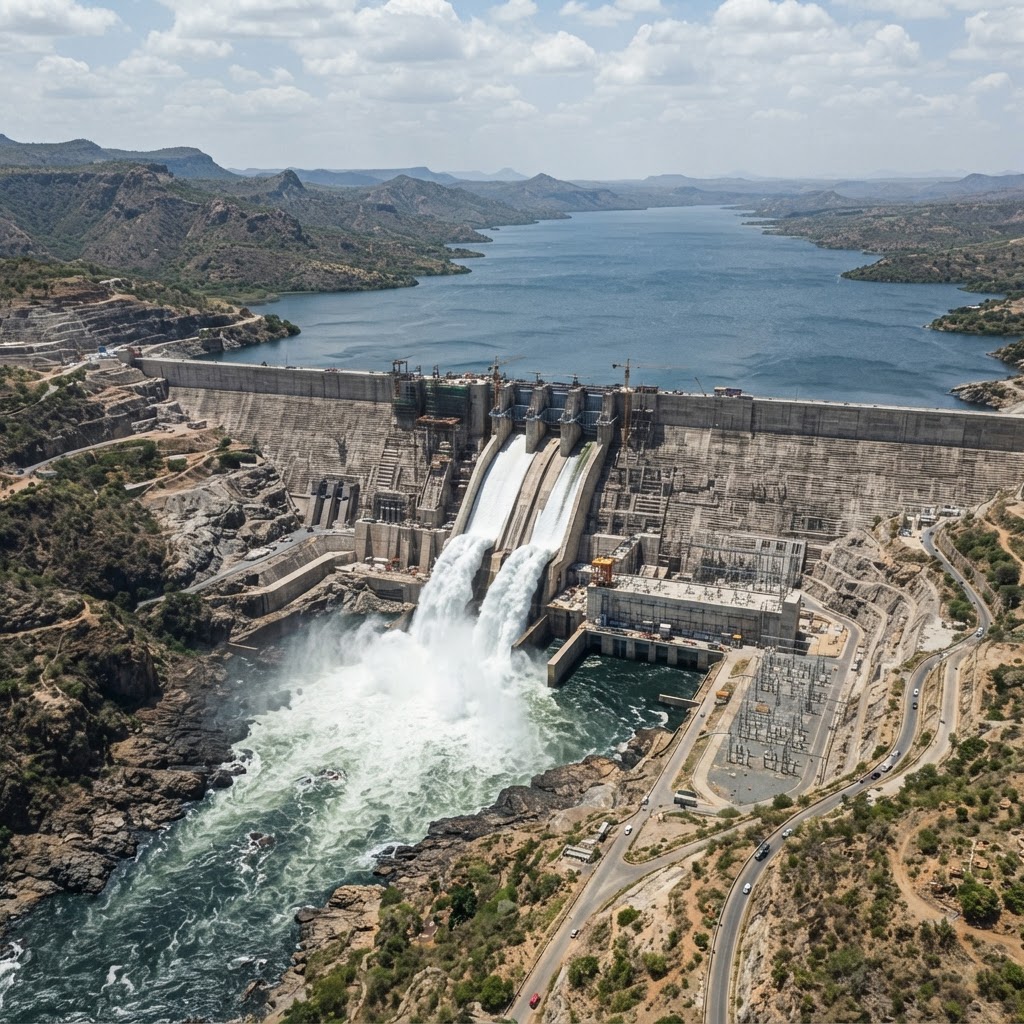
Despite the internal turmoil, the Ethiopian government remains steadfast in its commitment to the Grand Ethiopian Renaissance Dam. Minister of Water and Energy Habtamu Itefa recently dismissed what he termed "unfounded accusations" from Egypt regarding the dam’s operations, urging a return to a negotiated framework. Addis Ababa maintains that the project is a non-consumptive hydropower initiative designed to foster regional energy integration.
Proponents of the project, including various African Union stakeholders, argue that the dam aligns with Agenda 2063, serving as a tool for climate resilience and energy security. However, critics continue to question the domestic impact of the project, noting that while Ethiopia exports electricity to neighbors like Kenya, Djibouti, and Sudan, many of its own citizens still face significant energy access challenges.
Political Climate and Human Rights
The political landscape remains characterized by what observers describe as a "competitive autocracy." The government continues to utilize legal frameworks, including laws regarding hate speech and disinformation, to manage dissent. Human rights organizations have documented the ongoing detention of journalists and media workers, signaling a restrictive environment for press freedom that persists even as the state attempts to project an image of modernization and growth.
Regional Outlook
As Ethiopia moves through the second half of 2026, the intersection of economic ambition and security volatility remains the defining feature of the nation’s trajectory. The government’s ability to balance its regional energy diplomacy with the urgent need for internal reconciliation will likely determine the country's stability in the coming months. With the African Union emphasizing water security and continental cooperation, Ethiopia’s role as a regional powerhouse remains a subject of intense diplomatic maneuvering and high-stakes geopolitical interest.




Comments (0)
Be the first to share your thoughts!
Your voice matters. Every comment helps build our community.
Discussion Starters
No comments yet. Be the first to share your thoughts!