






Economic Recovery Gains Momentum
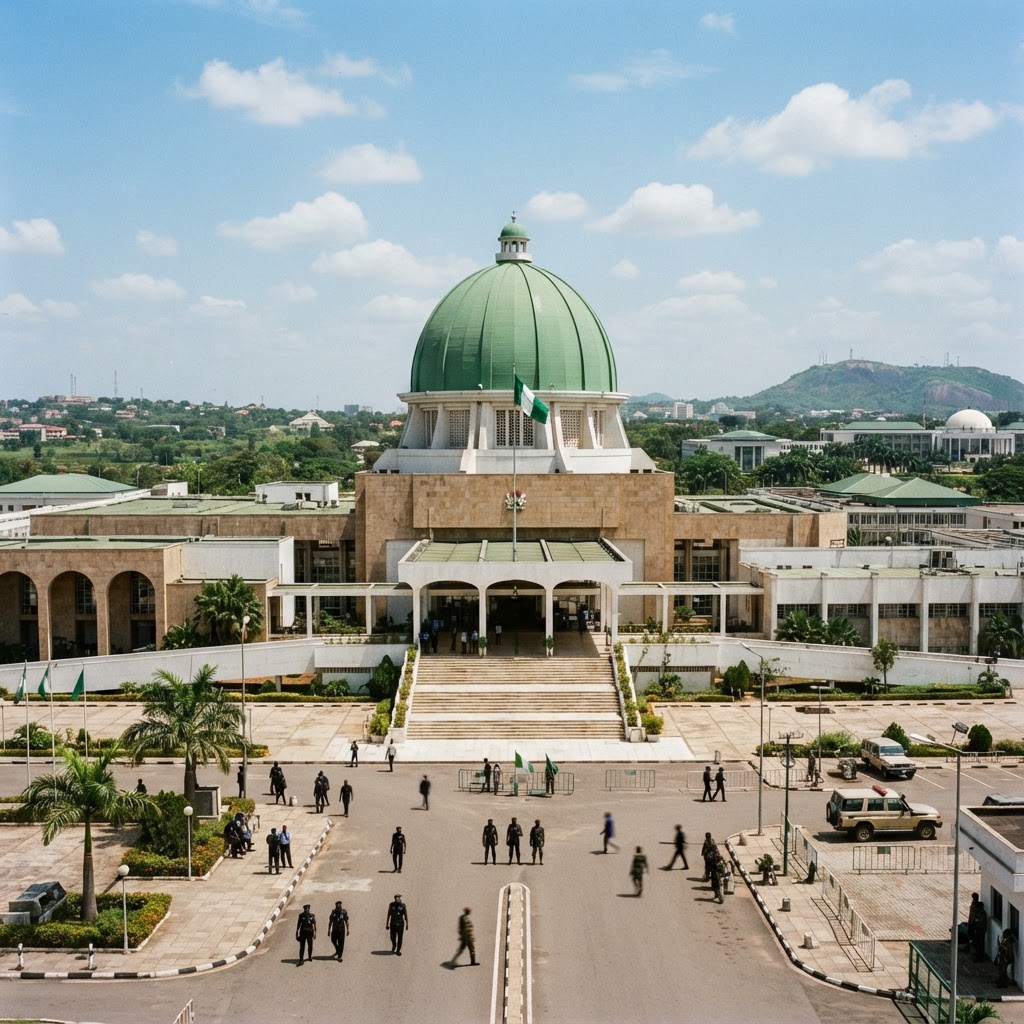
ABUJA — Nigeria’s economy is showing definitive signs of recovery as the nation enters the second half of 2026. According to the Nigeria Revenue Service (NRS), the country is experiencing accelerated growth following a series of rigorous fiscal and monetary reforms initiated throughout 2025. These policy shifts, aimed at stabilizing the naira and curbing runaway inflation, appear to be yielding results as the government seeks to transition from stabilization to sustainable development.
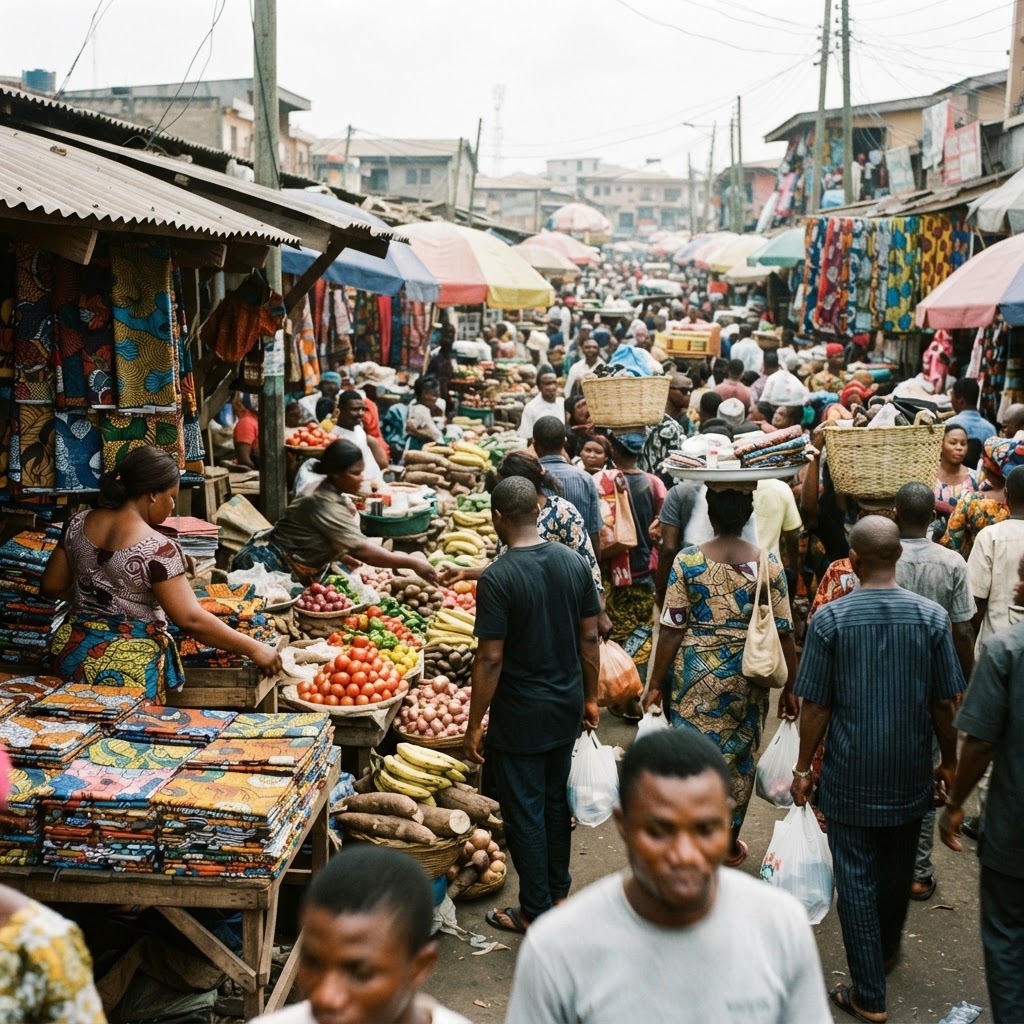
Economic analysts project that Nigeria’s GDP will expand by approximately 4.0% to 4.3% in 2026, a figure that outpaces global growth projections. This optimism is supported by increased crude oil production and a resilient services sector. The Mastercard Economics Institute notes that structural reforms have begun to ease inflationary pressures, allowing for a gradual improvement in household purchasing power and a notable uptick in discretionary consumer spending.
Fiscal Strategy and Debt Management
Despite the positive outlook, the government remains under pressure to manage its fiscal obligations. Reports indicate that the administration is currently seeking $2.35 billion in external loans alongside a $500 million Sukuk issuance to bolster the 2025 budget implementation. These moves are part of a broader strategy to address elevated debt-service obligations while maintaining the momentum of infrastructure investment, which remains a primary driver of national growth.
Security Situation Remains a Critical Concern
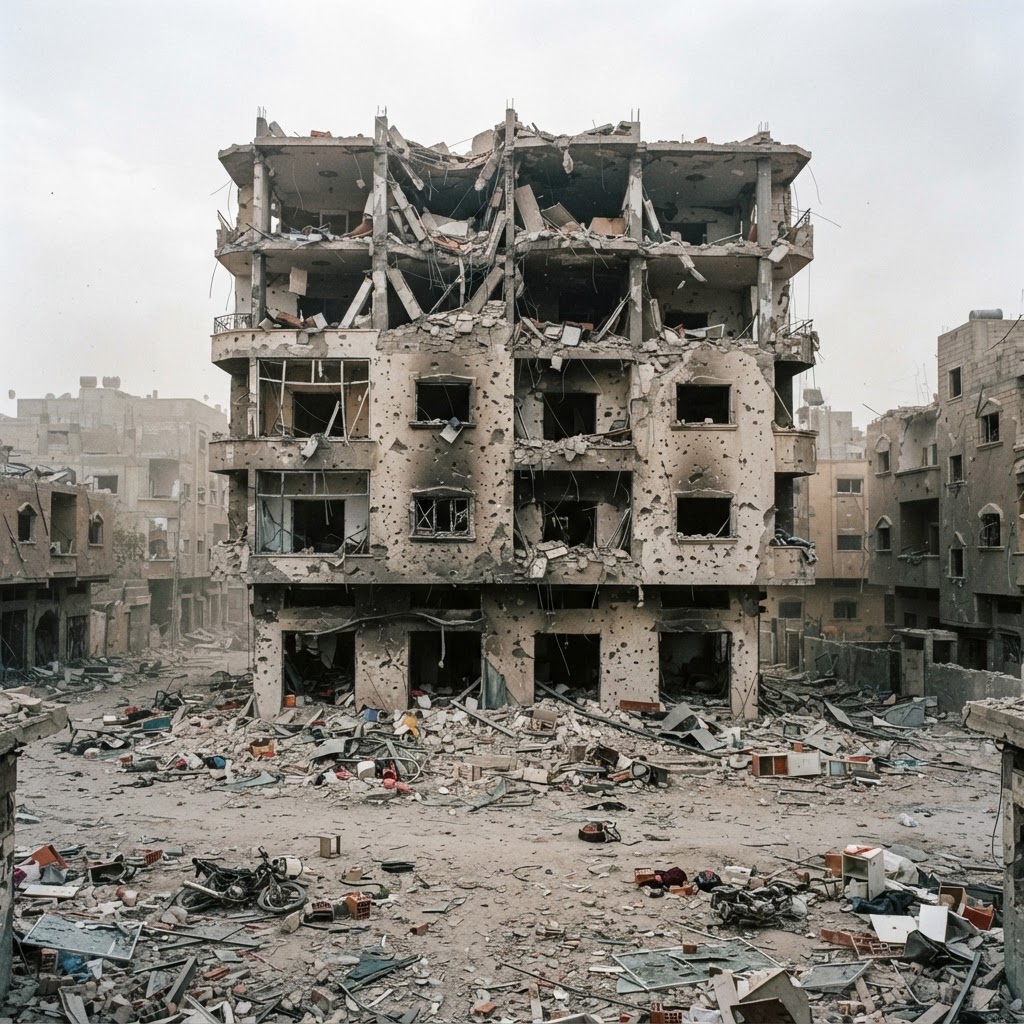
While the economic narrative is shifting toward growth, the security landscape remains complex. Kidnapping for ransom by armed groups continues to pose a significant threat to national stability, particularly in the northern and central regions. The persistence of these threats has prompted high levels of security spending, with the 2026 budget allocating 5.41 trillion naira—the largest share of the 58.18 trillion naira total—to defense and security.
The rescue of 308 citizens in a single operation marks a significant tactical success for security forces, though the frequency of such incidents underscores the ongoing struggle against banditry and militancy.
In a major development earlier this month, Nigerian security forces successfully rescued 308 kidnapped citizens in what has been described as the largest single-day recovery of hostages this year. This operation provided a rare moment of relief for a public weary of frequent abductions. However, security reports from the second quarter of 2026 suggest that the overall security situation remains volatile, with land-use conflicts and localized violence continuing to disrupt economic activity in rural areas.
Looking Ahead
As Nigeria moves through August, the government faces the dual challenge of maintaining the current economic reform trajectory while addressing the structural roots of insecurity. Business leaders are being encouraged to adopt a strategy of "bold but selective" investment, focusing on sectors that demonstrate resilience against macroeconomic shocks. With the digital economy and artificial intelligence emerging as new pillars of growth, the administration is under pressure to provide the regulatory clarity needed to sustain this momentum.
For now, the consensus among observers is that while the worst of the 2025 economic crisis may have passed, the path to long-term prosperity remains tethered to the government's ability to secure its borders and maintain the discipline of its ongoing fiscal reforms.

Comments (0)
Be the first to share your thoughts!
Your voice matters. Every comment helps build our community.
Discussion Starters
No comments yet. Be the first to share your thoughts!