





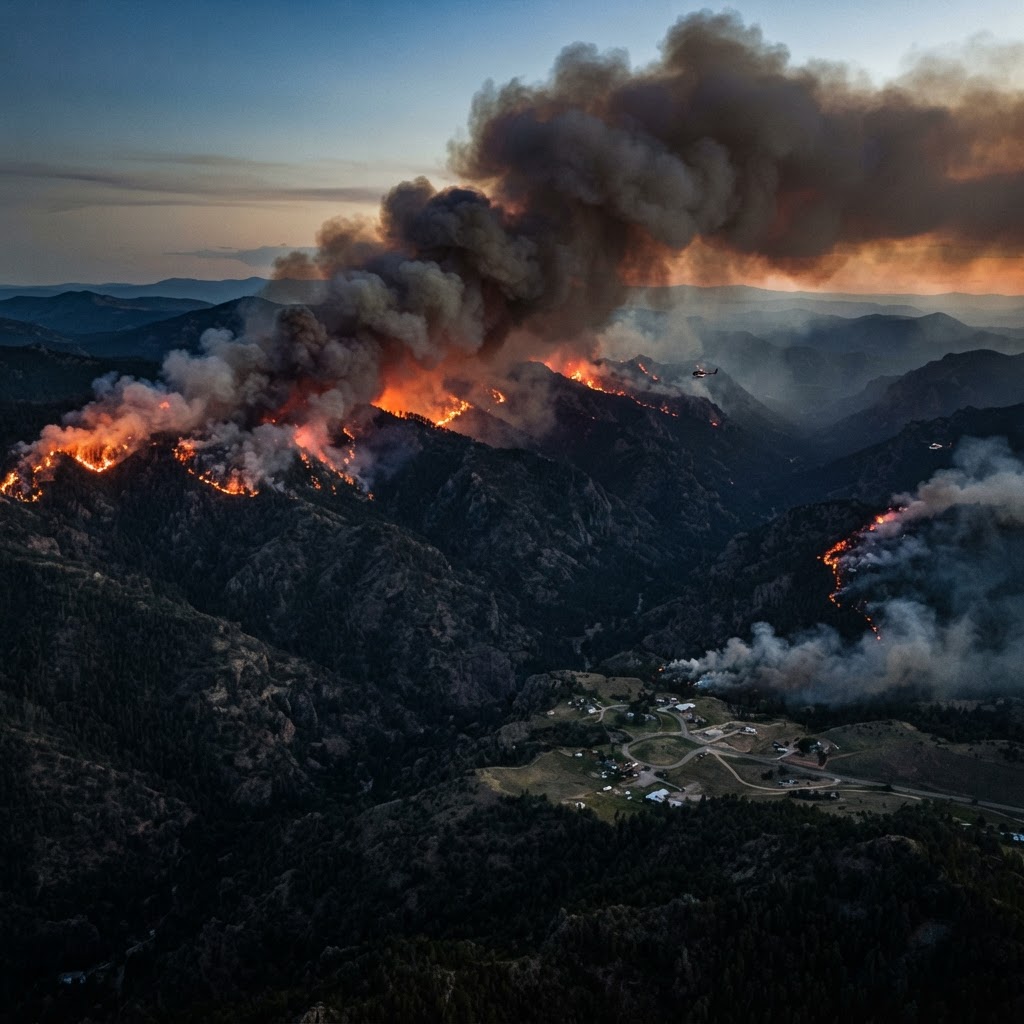
A Continent Under Siege: Wildfires Ravage the West
As of August 11, 2026, the Western United States and Canada are grappling with a catastrophic wildfire season that has forced tens of thousands of residents from their homes and strained firefighting resources to their breaking point. From the Okanagan Valley in British Columbia to the arid landscapes of Utah, the region is witnessing a rapid escalation of fire activity driven by prolonged heat, drought, and volatile weather patterns.
Devastation in British Columbia and the Pacific Northwest
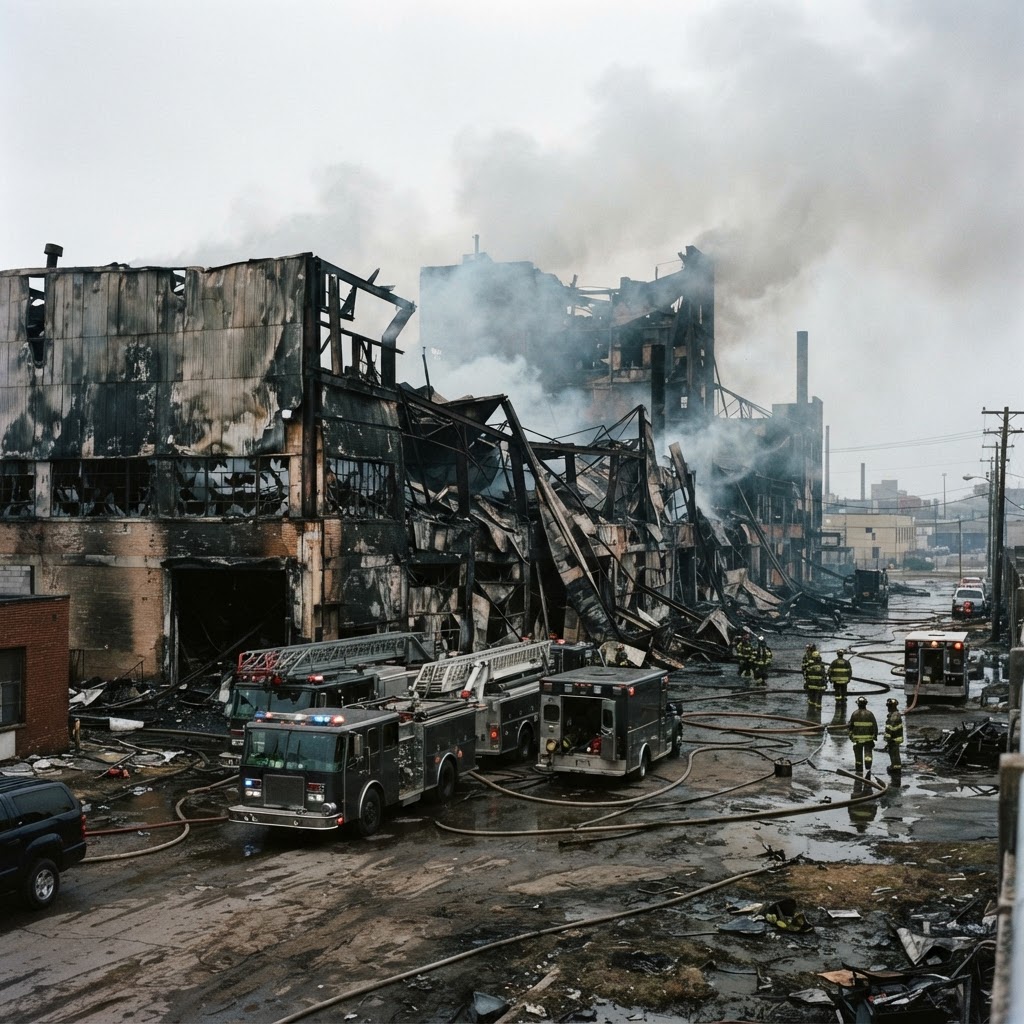
The situation in Canada has reached a critical juncture. Over the past weekend, more than 20,000 people were forced to evacuate communities surrounding Okanagan Lake in British Columbia. The fast-moving Bald Range fire, which ignited late last week, has destroyed numerous homes and necessitated daring aerial rescues. Tragically, authorities confirmed the death of an 80-year-old woman who perished while attempting to flee the encroaching flames. British Columbia has officially declared a state of emergency, with federal assistance now deployed to manage the influx of displaced residents.
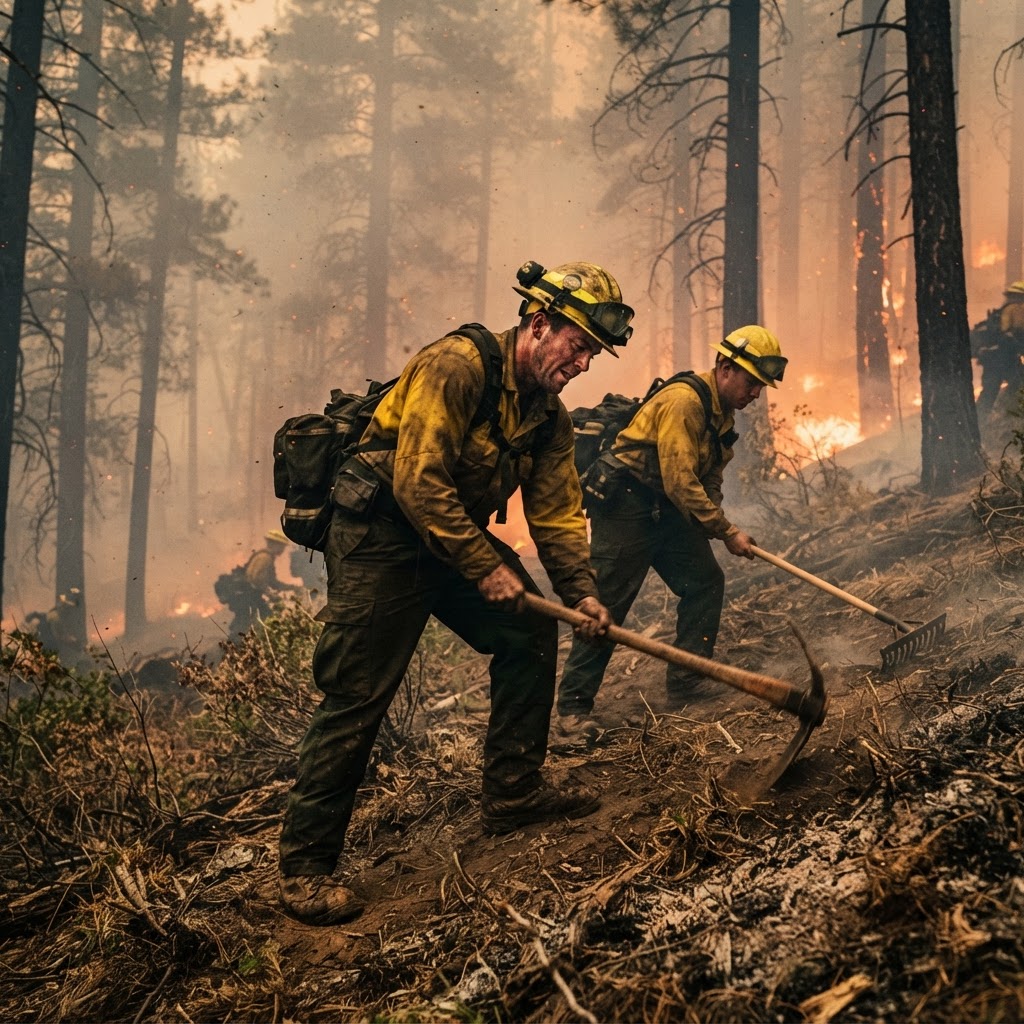
South of the border, Washington state crews have spent the last week battling a cluster of three significant wildfires near Spokane. While containment lines have held and mop-up operations are underway, the psychological toll on local communities remains high. In the town of Malden—a community still recovering from near-total destruction in 2020—residents remain on high alert, conserving water and maintaining readiness for potential re-evacuation should winds shift.
A Regional Crisis: Utah and Beyond
The United States is facing a widespread emergency, with Utah emerging as a major focal point. As of Sunday evening, nearly a dozen active wildfires in the state have scorched more than 300,000 acres. The intensity of these fires has been underscored by the loss of two helicopter pilots who were killed while conducting suppression operations, highlighting the extreme danger faced by first responders on the front lines.
Every summer reminds us that wildfire is no longer an exceptional event but an increasingly predictable consequence of a warming climate.
Across North America, the scale of the destruction is historic. Data indicates that more than 3.7 million hectares have burned in Canada alone this season, while the United States has recorded approximately 1.8 million hectares scorched. The sheer volume of simultaneous fires has triggered a Level 4 National Preparedness response in Canada, the highest level of mobilization.
Climate Context and Public Health Impacts
Experts point to a clear link between these extreme fire seasons and human-induced climate change. A warming atmosphere has led to prolonged periods of hot, dry weather, which in turn creates the perfect conditions for rapid fire spread. Scientists note that the rate of burned area accumulation this summer has been exceptionally rapid, with nearly 94% of the season's total damage occurring in a concentrated five-week window between late June and late July.
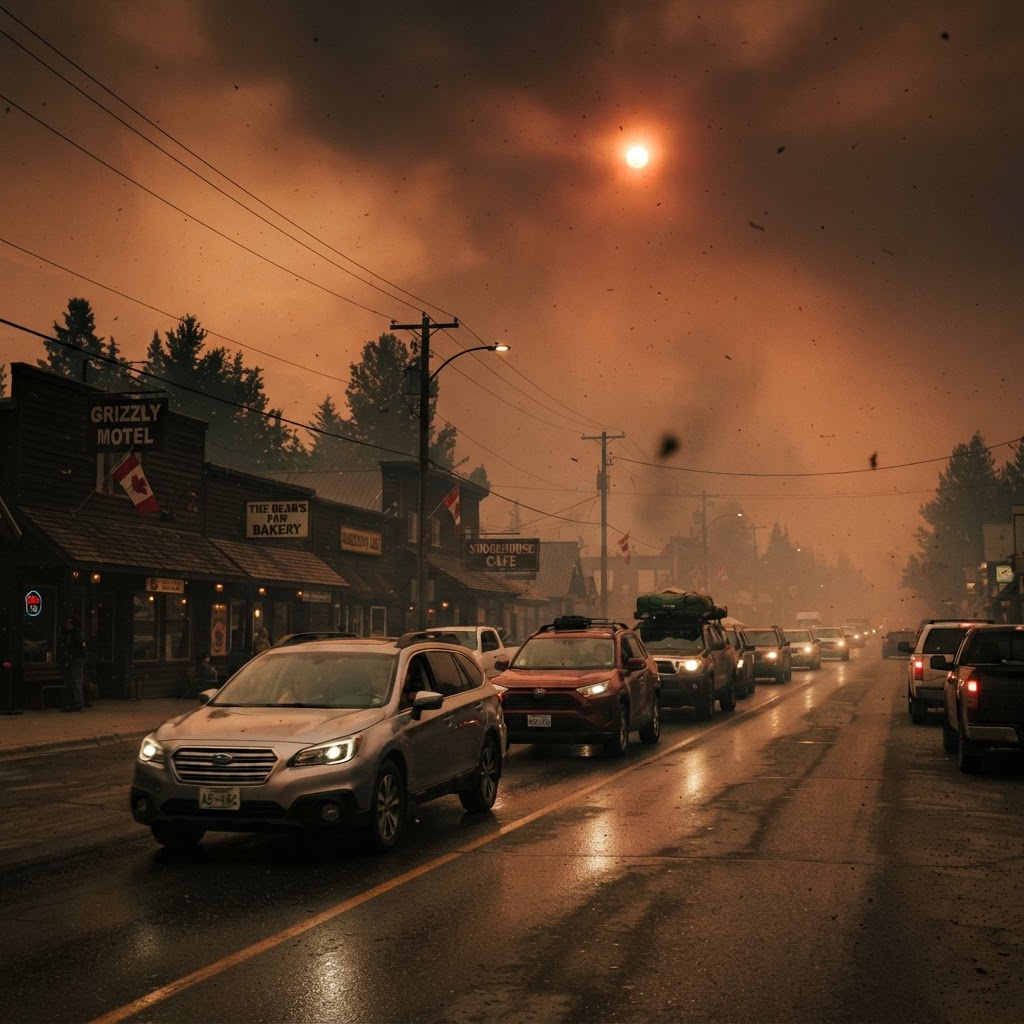
The impact of these fires extends far beyond the immediate burn zones. Smoke plumes have drifted across the continent, affecting air quality for over 120 million people in the U.S. Midwest and Northeast. Public health officials have issued repeated warnings, noting that exposure to fine particulate matter from wildfire smoke is linked to increased emergency room visits for respiratory and cardiovascular conditions.
The Path Forward
As firefighting agencies continue to battle active blazes, the conversation is shifting toward long-term resilience. Officials emphasize that traditional suppression methods are no longer sufficient in the face of a changing climate. Future strategies must prioritize sustainable forest management, the integration of Indigenous knowledge in land stewardship, and the development of more resilient infrastructure to protect vulnerable communities from the inevitable fire seasons to come.

Comments (0)
Be the first to share your thoughts!
Your voice matters. Every comment helps build our community.
Discussion Starters
No comments yet. Be the first to share your thoughts!