





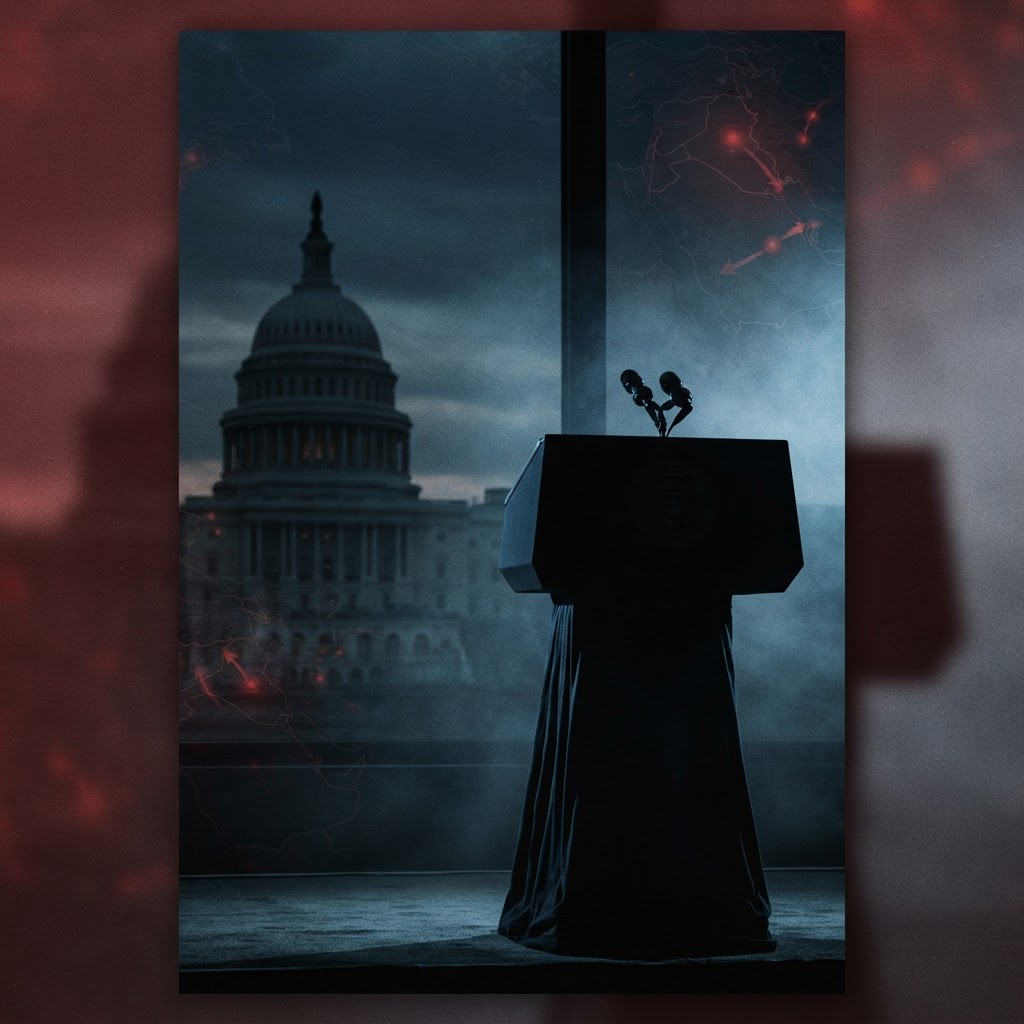
The Escalation Paradigm
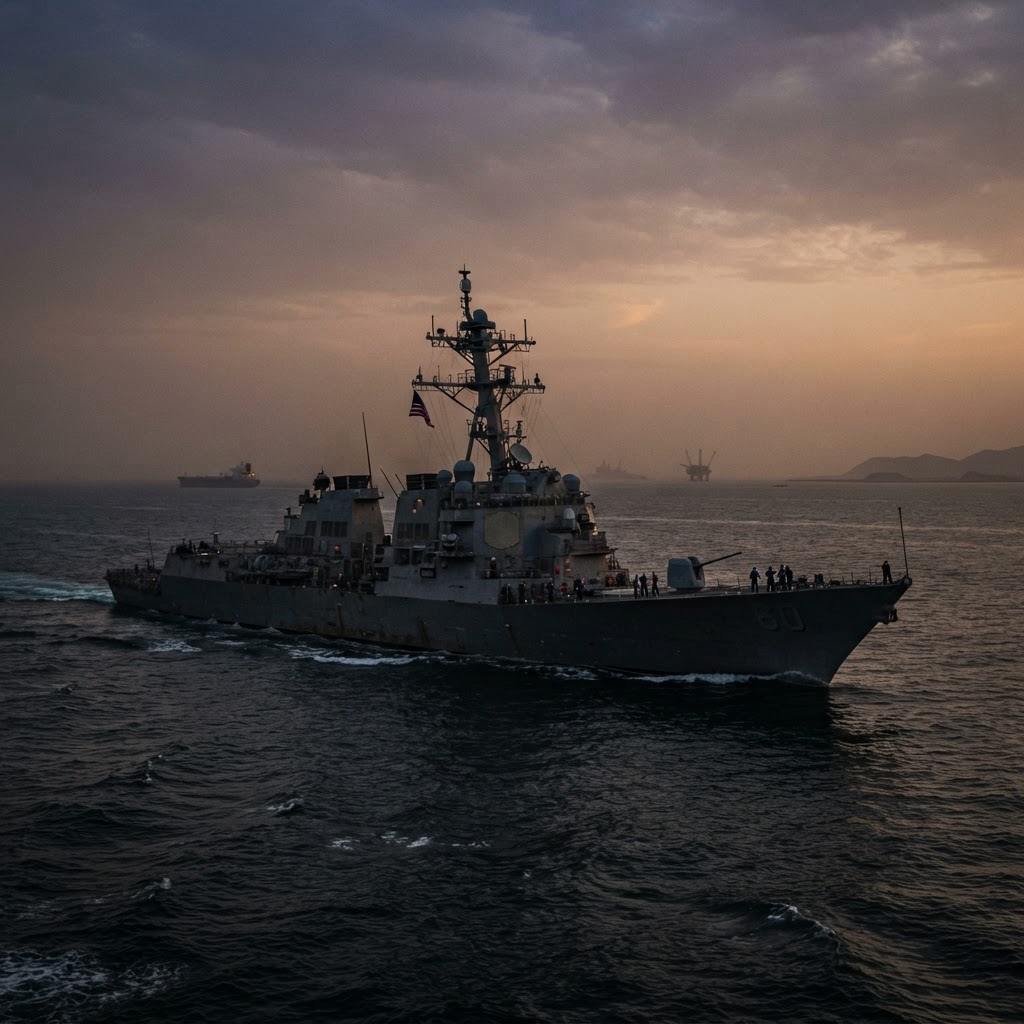
The Trump administration has entered a volatile new phase in its Middle East security strategy, with further U.S. strikes connected to the Iran conflict reverberating through Congress and across global markets. President Donald Trump has framed the latest escalation as retaliation tied to threats in and around the Strait of Hormuz, presenting military action as a necessary response to protect shipping lanes, deter further attacks, and reassure regional partners. That framing places the White House squarely in a familiar position: arguing that immediate force is the most credible answer to a fast-moving crisis.
Trump's Response: Pressure and Presidential Authority
Trump's public posture has been one of escalation paired with justification. He has signaled that additional strikes could intensify if Iran or its aligned forces continue testing U.S. resolve. At the same time, the administration formally notified Congress that hostilities had resumed, arguing that its actions fit within presidential authority and the framework of the War Powers Resolution. In practical terms, the White House is asserting that the president can respond quickly to evolving threats without first seeking a new authorization from Congress. That position reflects a long-running executive branch view of military power, but it becomes far more controversial as the scale and duration of a conflict begin to grow.
Congress Responds With Alarm — and Division
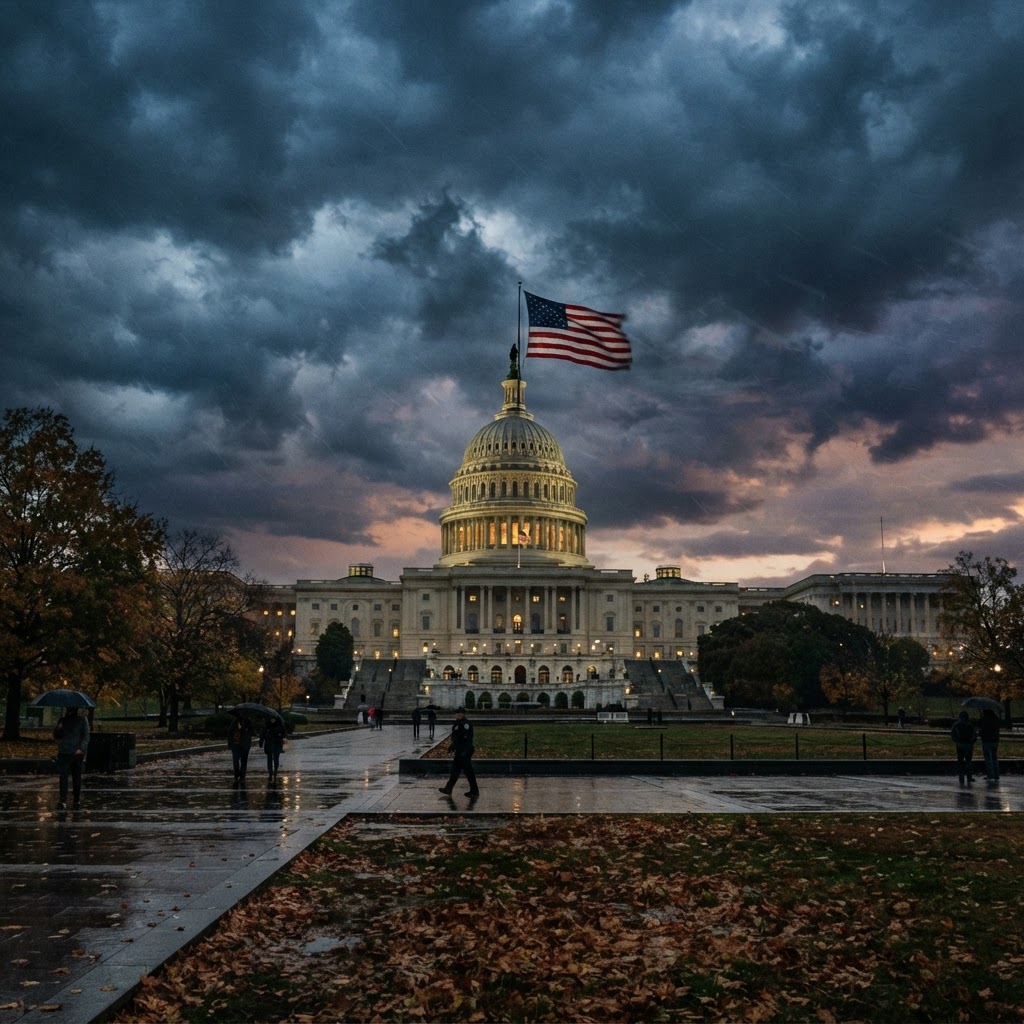
Capitol Hill's response has been sharp but divided. Democrats, along with a small number of Republicans, have shown renewed willingness to challenge broader war powers and to insist that any significant widening of the conflict must come with explicit congressional approval. Their argument is not only political but constitutional: the further the United States moves from immediate retaliation toward sustained military operations, the harder it becomes to defend a notification-only approach. For these lawmakers, the legal threshold matters because it determines whether the country is moving toward another open-ended regional war without a full public debate or formal legislative mandate.
The Hawkish View on Capitol Hill
Not everyone in Congress sees the administration's approach as overreach. National-security hawks argue that hesitation would carry its own costs. In their view, Iran and its proxies are more likely to test limits when Washington appears uncertain or procedurally constrained. They see the Strait of Hormuz as too important to global commerce and energy stability to leave vulnerable to repeated threats. From that perspective, Trump's harder line is less about presidential ambition than strategic credibility. Backers of a forceful response believe a divided Washington sends the wrong message overseas, especially during a crisis where timing and perception can shape the next military move.
The Constitutional Friction
The core dispute, however, goes beyond strategy. It centers on whether the executive branch is stretching constitutional authority to the edge of its limits. Critics warn that the administration is normalizing a model in which presidents can slide from defensive action into sustained conflict while Congress is left reacting after the fact. Supporters counter that presidents cannot wait for lengthy legislative negotiations when commercial arteries, regional stability, and U.S. personnel may be at risk. The result is a familiar but increasingly urgent constitutional friction: Congress holds the power to declare war, yet modern crises often unfold in ways that reward unilateral speed. The Iran conflict is becoming another test of how far that tension can be pushed before lawmakers decide they must reassert institutional control.
Energy, Markets and the Regional Stakes
The backdrop to this struggle is not abstract. The Strait of Hormuz remains one of the world's most sensitive energy chokepoints, and every new strike or threat feeds anxiety in oil markets and among U.S. allies. A wider conflict could reshape regional security calculations, place additional pressure on shipping, and unsettle already fragile diplomatic channels. That is why the domestic political debate is inseparable from the international one. Trump's warnings, Congress's pushback, and Iran's posture all feed a cycle in which military signaling and constitutional arguments are unfolding at the same time.
What Comes Next
The immediate question is whether the administration can keep escalating without a more forceful institutional response from Capitol Hill. Lawmakers who oppose a wider war are likely to continue pressing for limits, whether through resolutions, funding pressure, or public hearings. Trump, meanwhile, appears determined to preserve maximum flexibility. That leaves Washington facing two parallel tests: whether U.S. policy can prevent a broader regional breakdown, and whether the constitutional balance between Congress and the presidency can hold under the pressure of another Middle East war.

Comments (0)
Be the first to share your thoughts!
Your voice matters. Every comment helps build our community.
Discussion Starters
No comments yet. Be the first to share your thoughts!