




South America is navigating a difficult and uneven moment. Across the continent, current events are being shaped by natural disasters, economic strain, political pressure, and long-running governance challenges that continue to test state capacity and public confidence.
What makes the region’s story especially important right now is that several pressures are arriving at once. Climate-linked emergencies are forcing governments into immediate response mode, while trade disputes, institutional stress, and wider geopolitical pressures are shaping the next phase of politics and economics across the continent.
Brazil is balancing environmental progress with new economic pressure
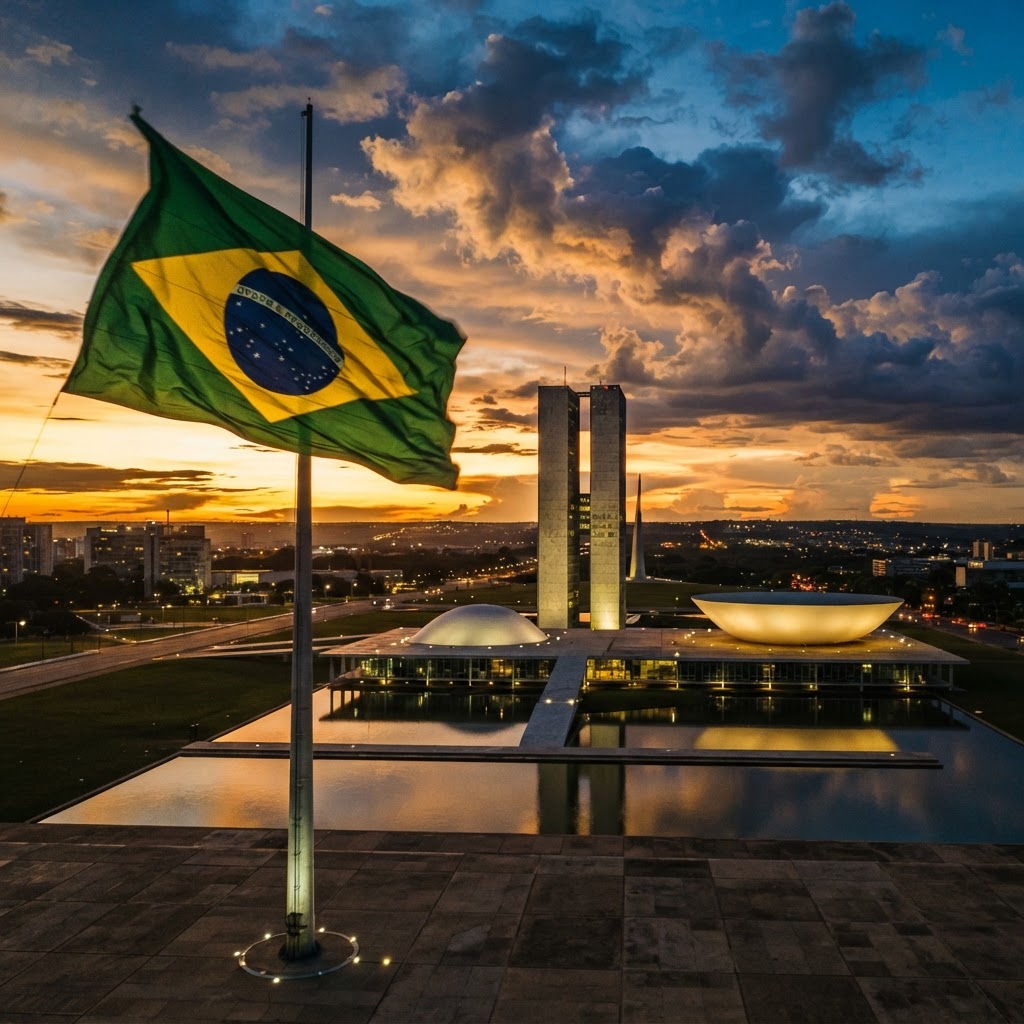
Brazil remains central to the South American story. One notable positive development is that the Amazon saw a sharp decline in the size of the area burned in 2025, according to recent reporting highlighted by the BBC. That matters not just for Brazil, but for the global climate conversation and for the country’s environmental standing.
At the same time, Reuters reports that Brazil is also at the center of a growing trade and financial-policy dispute with the United States over Pix, the hugely popular instant-payment system run by Brazil’s central bank. The clash shows how economic innovation can quickly become geopolitical when major powers and trade rules are involved. For Brazil, the challenge is maintaining policy independence while navigating external pressure and market risk.
Peru and Chile are confronting the force of nature
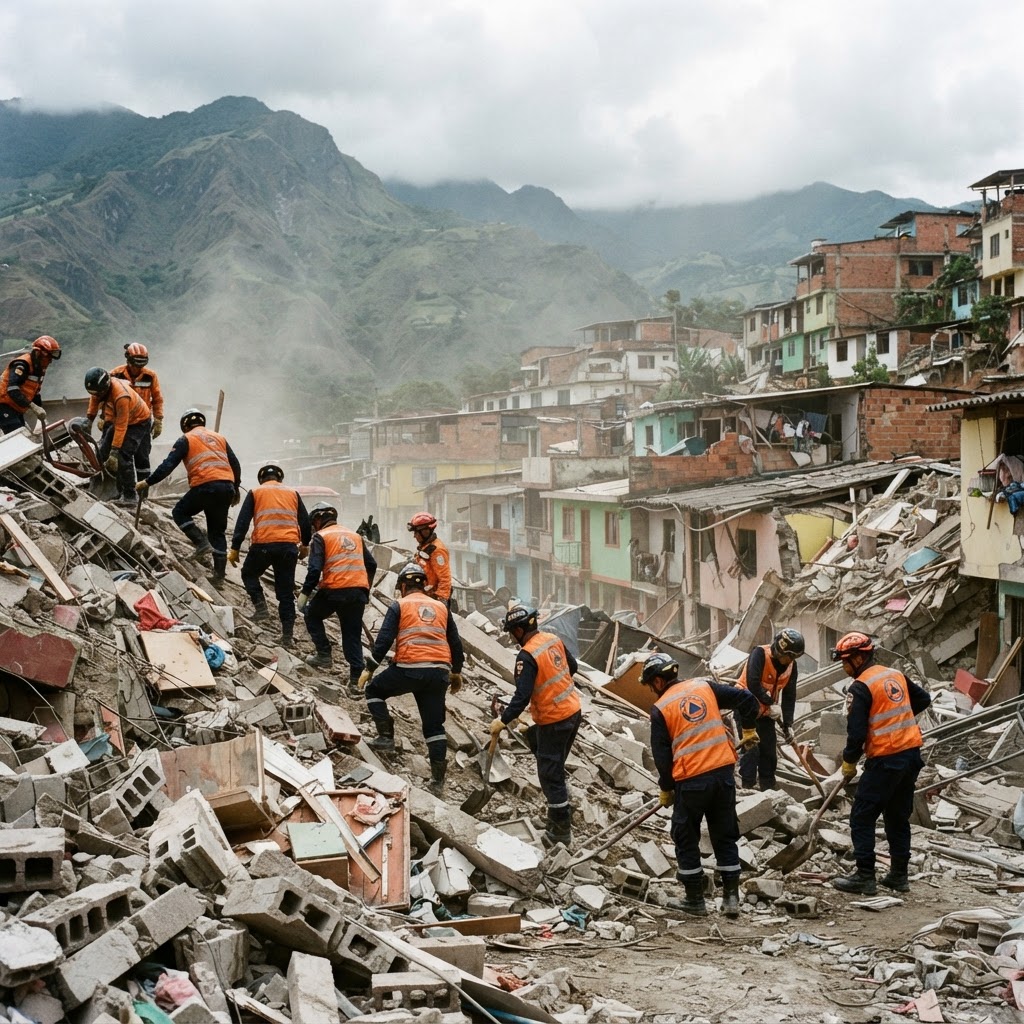
Disaster response is another major theme across the continent. Reuters reported that at least six people were killed and more than twenty injured after two earthquakes in Peru, underscoring how quickly natural shocks can destabilize communities and strain emergency services. In countries where infrastructure resilience varies sharply by region, these events become more than isolated tragedies — they become national tests.
Chile is also dealing with serious weather disruption. BBC coverage highlighted flooded towns, evacuations, and a declared state of catastrophe in some areas following heavy rainfall. This is the kind of crisis that reminds the region how climate pressure is no longer abstract. It is increasingly immediate, local, and expensive.
Guyana’s ferry tragedy has drawn regional attention
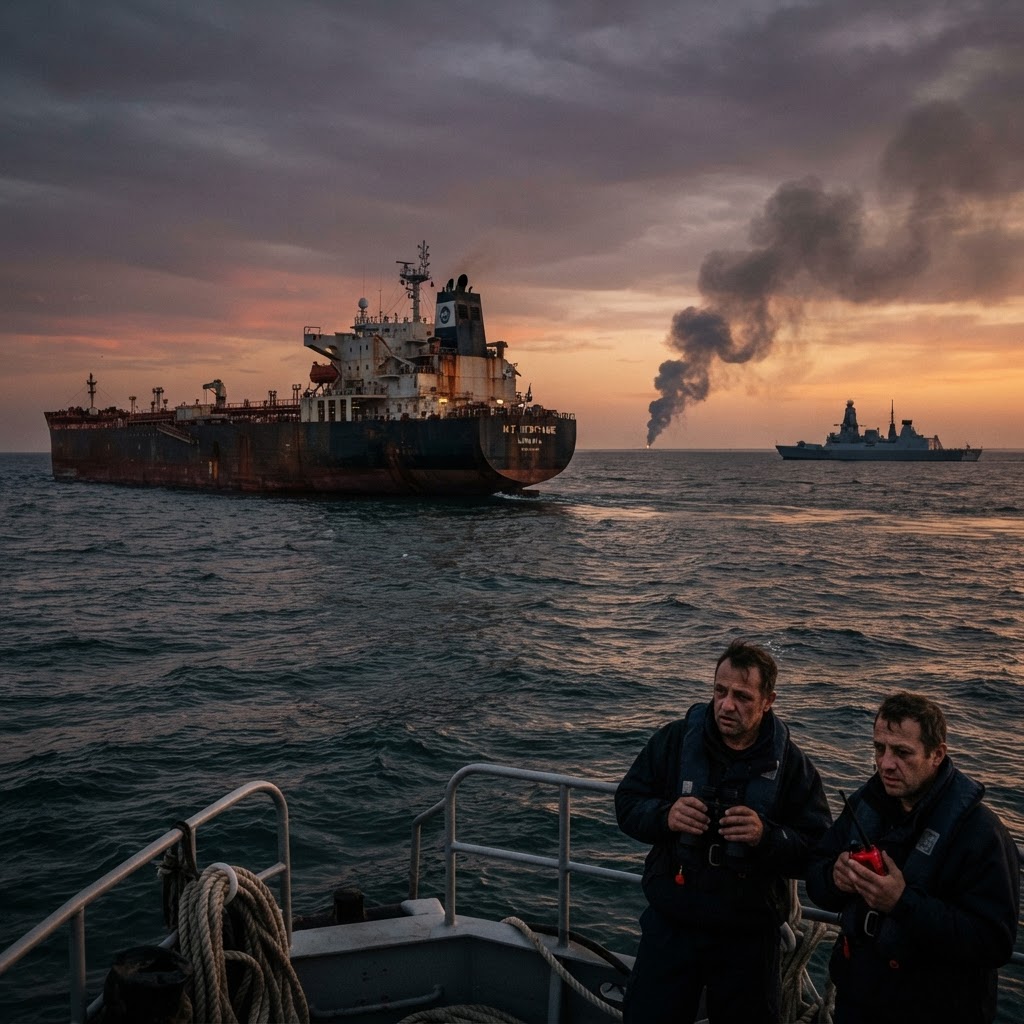
The deadly ferry disaster off the coast of Guyana is another event that has shaken the region. Reports from Reuters and the BBC described significant loss of life and many people missing after the vessel capsized. The tragedy has intensified scrutiny of transport safety, emergency response, and the vulnerability of communities that depend on maritime links.
Even when such disasters are geographically concentrated, they resonate across South America because they expose common weaknesses in infrastructure, oversight, and crisis preparedness.
Politics and democracy remain under pressure
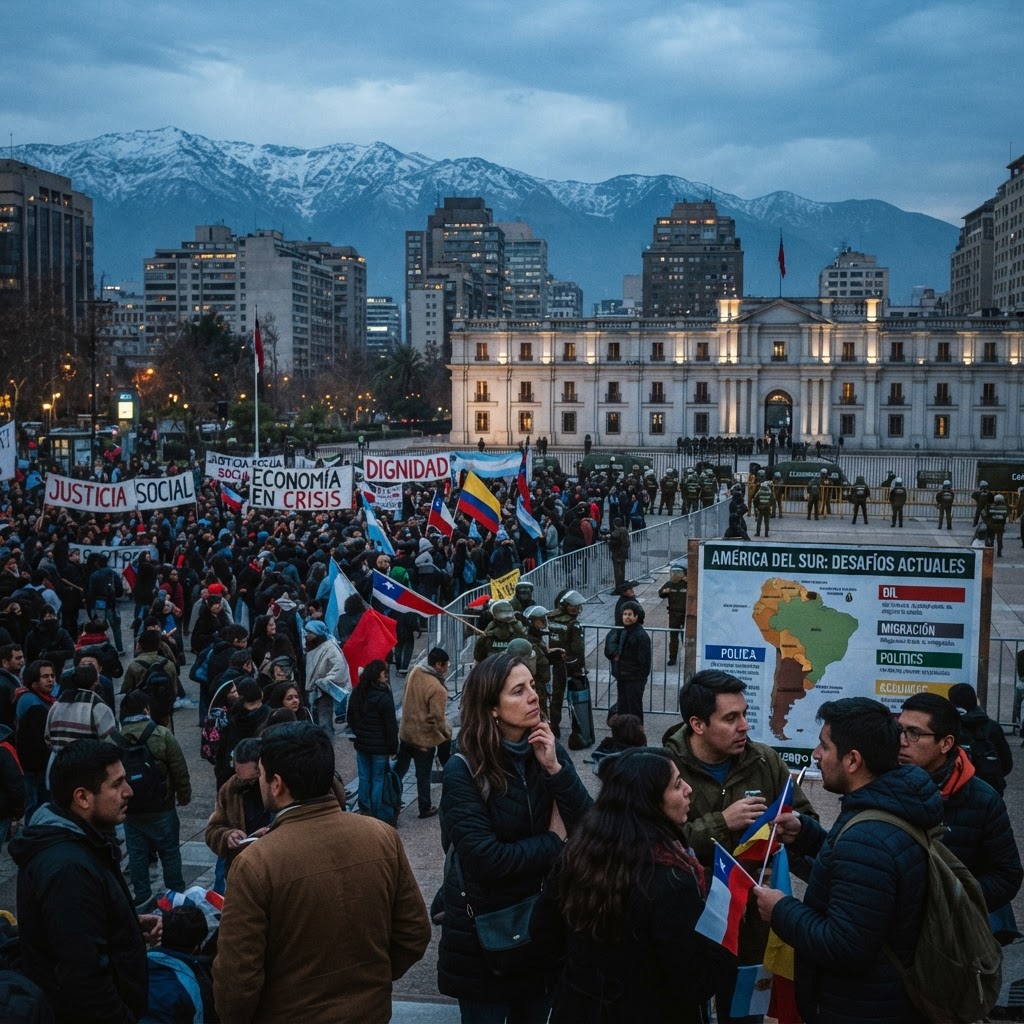
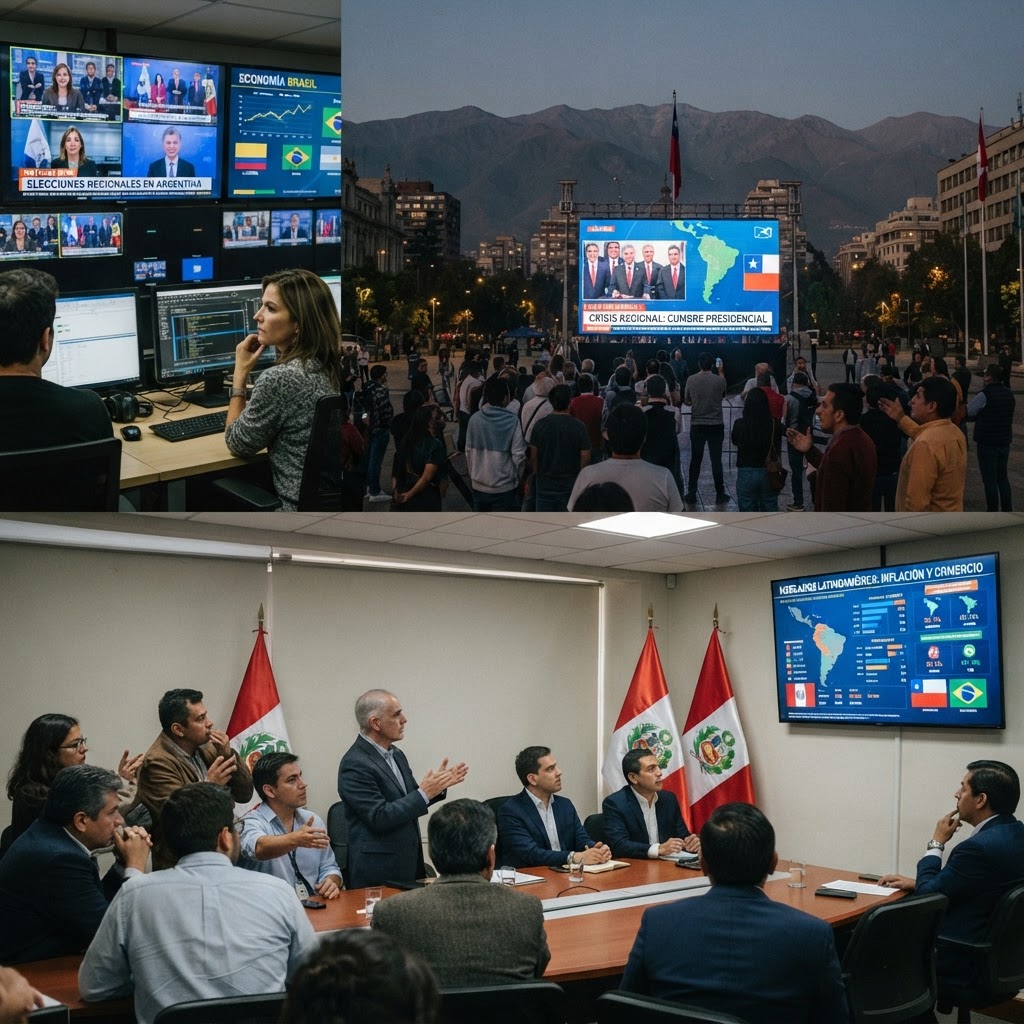
South America is also watching the region’s political future with caution. Broader analysis of 2026 points to elections, anti-incumbent anger, public-security fears, and institutional mistrust as defining features across Latin America. In Venezuela, the long shadow of democratic breakdown continues to shape regional debate. In Colombia, Brazil, and other key states, the next political chapter is increasingly tied to whether voters believe existing institutions can still deliver order, growth, and credibility.
This matters because many voters in the region appear less driven by ideology than by frustration: frustration with crime, corruption, weak services, stagnant incomes, and elites who seem unable to produce stability. That makes politics more volatile and often more personalistic.
Why South America matters now
The current events story in South America is not a single headline. It is a regional picture of overlapping pressure: environmental vulnerability, infrastructure strain, political uncertainty, and economic competition in a world that is becoming harsher and less predictable.
Yet there is also resilience in that picture. The region is not standing still. It is adapting, debating, and responding in real time. That is why South America deserves close attention now: what happens here will help shape wider conversations about democracy, development, climate response, and regional independence in the years ahead.
Comments (0)
Be the first to share your thoughts!
Your voice matters. Every comment helps build our community.
Discussion Starters
No comments yet. Be the first to share your thoughts!