





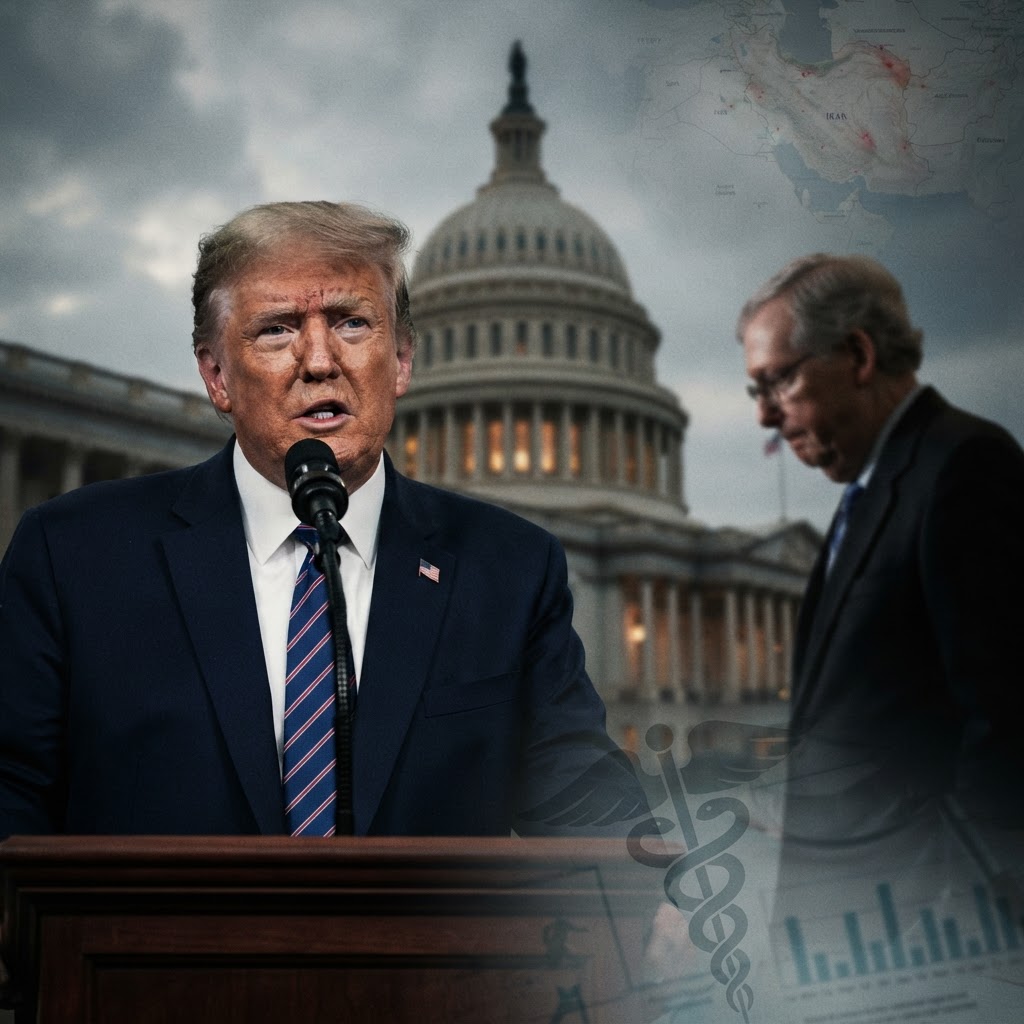
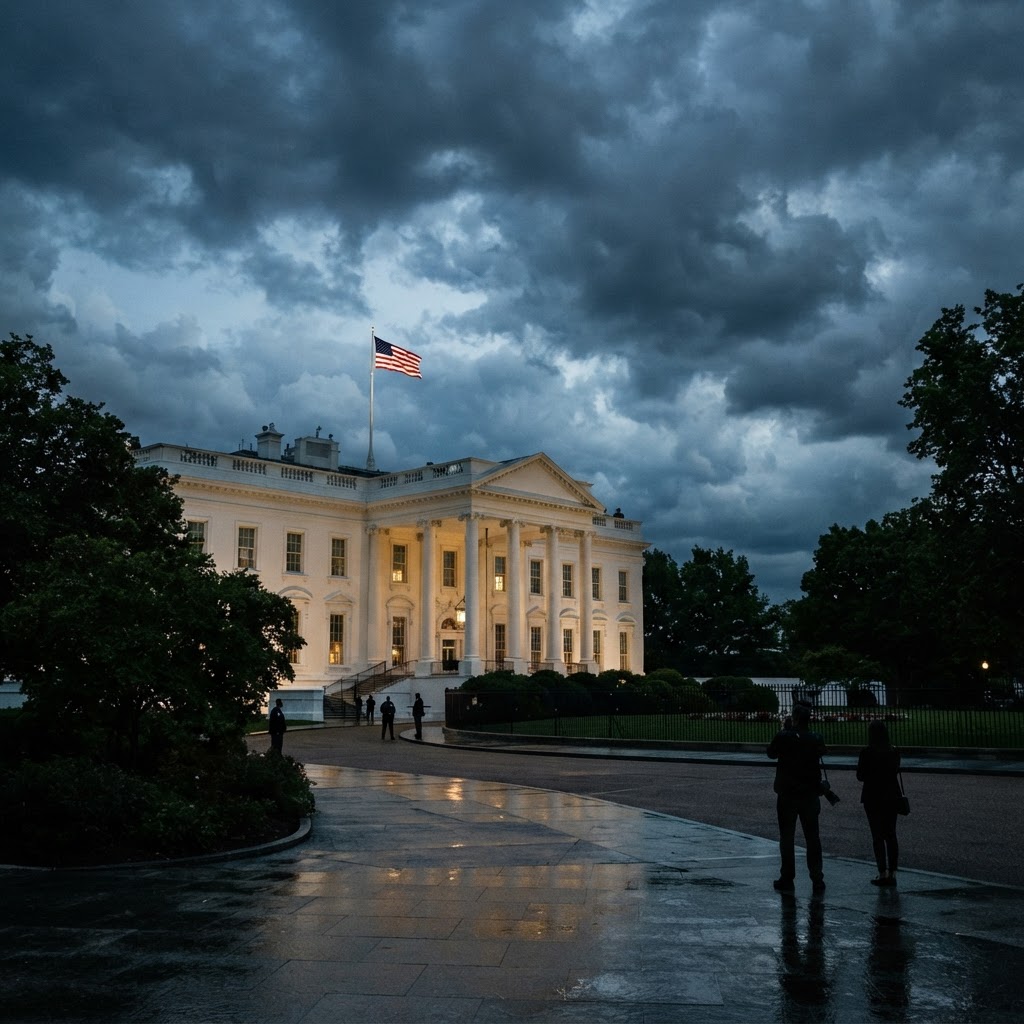
Several of the biggest issues in America are now merging into one larger story about power, stability and public confidence: Donald Trump’s presidency, Senator Mitch McConnell’s health absence, healthcare unease, and the rising pressure created by the Iran war.
None of these stories exists in isolation anymore. Together they are shaping the national mood in Washington and far beyond it, raising questions not just about policy, but about endurance, leadership and what ordinary Americans may be asked to absorb next.
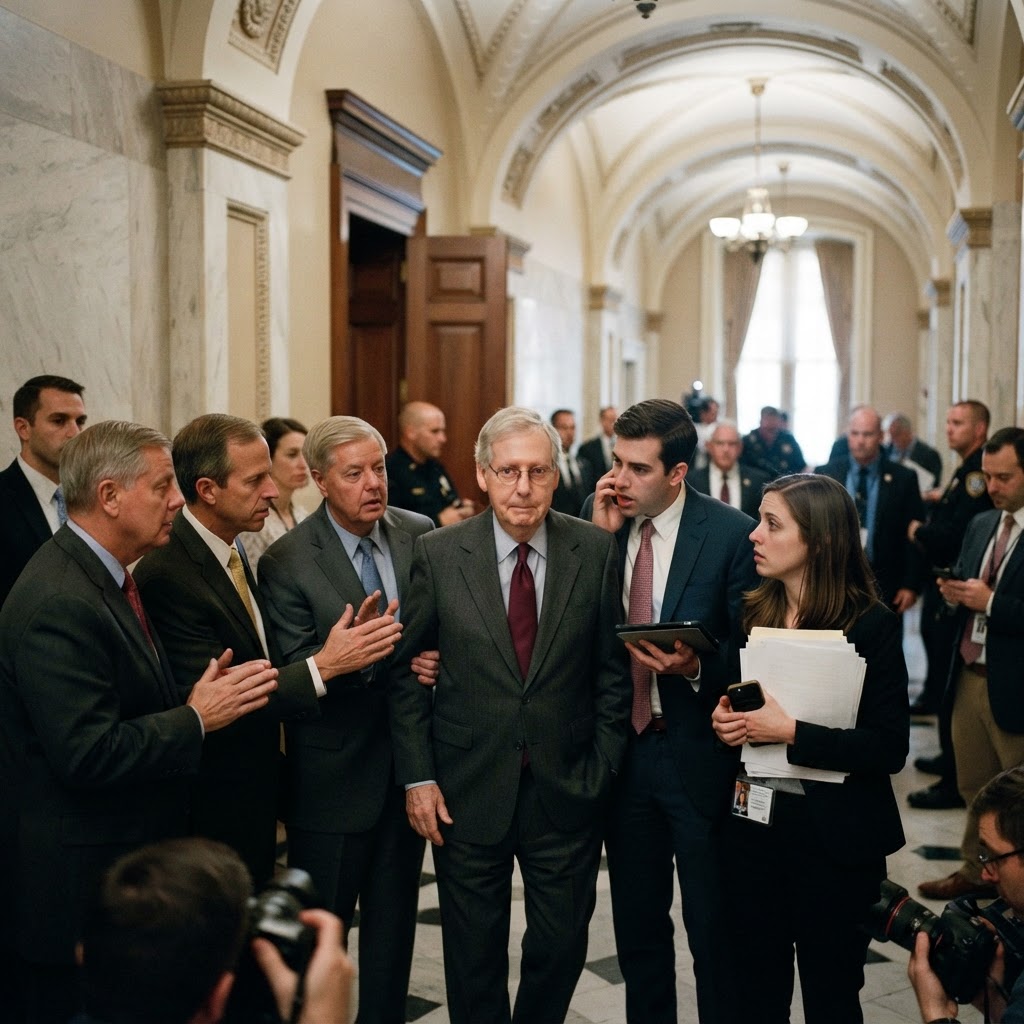
McConnell’s health absence has become a Washington issue
Reuters reported this week that Senator Mitch McConnell remains hospitalized with undisclosed health problems, with his office offering only limited updates while saying he is improving. His absence is not just personal news. It matters politically because the Senate is returning to national security and funding fights where McConnell has long been one of the most influential Republican voices.
At 84, McConnell’s continuing absence has revived the broader American debate over aging leadership. It also comes at a time when party discipline and committee margins are especially tight, meaning a health problem for one senior lawmaker can quickly become a governing problem for the whole chamber.
Trump is driving both the foreign policy story and the health conversation
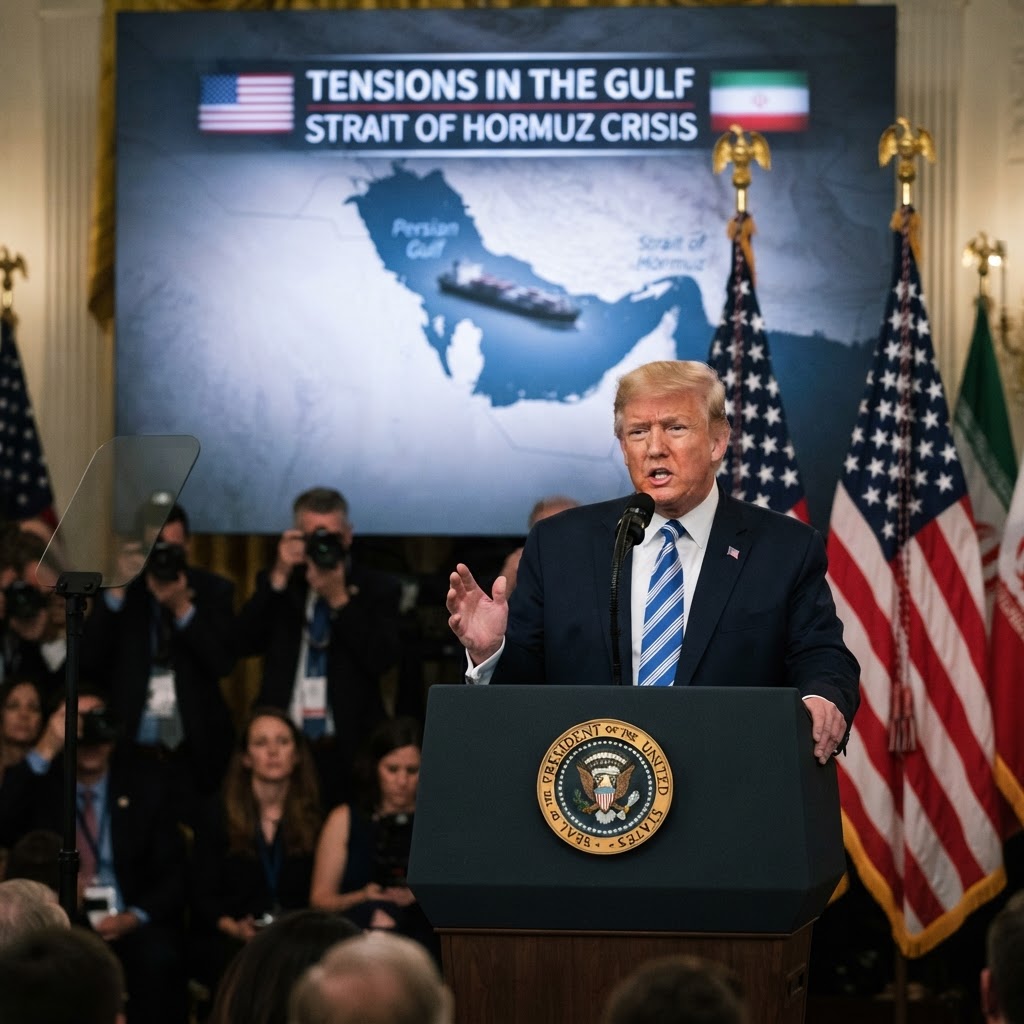
President Donald Trump remains at the center of the national conversation on two fronts at once. On the foreign policy side, Reuters reported that Trump said the United States would continue talks with Iran even as he declared the previous ceasefire effectively over. He also warned that the U.S. military was prepared to strike Iran if Tehran targeted him.
That language is part of why the Iran conflict is dominating American politics. It presents Trump as forceful to supporters, but to critics it reinforces the sense that Washington is operating in a permanent state of brinkmanship.
At the same time, Trump has been talking up his own health. Reuters reported that he revived praise for his physical condition and cognitive testing after his Walter Reed exam, insisting he had aced the tests. That matters because health is now a political subject in its own right in Washington, not only for McConnell, but for older national leaders generally.
Healthcare remains a pressure point for ordinary Americans
Health in America is not only about the condition of powerful politicians. It is also about affordability. Reuters earlier reported that Trump proposed replacing health insurance subsidies with direct payments to consumers, an idea that critics say could hurt lower-income Americans if it leads them toward less comprehensive coverage.
That debate lands in a country where many families are already anxious about premiums, prescription prices and what happens when political promises meet everyday medical bills. So while Washington talks about strategy and strength, many voters still measure leadership by whether they can afford to stay insured and get care.
The Iran war is no longer distant for U.S. households
The Iran war is feeding directly into those domestic anxieties. Reuters reported that renewed hostilities around the Strait of Hormuz pushed oil prices higher, tightening gasoline supplies and increasing pain for U.S. consumers. That makes the conflict more than a foreign policy crisis. It becomes a cost-of-living issue inside the United States almost immediately.
Trump’s posture toward Iran may energize supporters who want an aggressive line, but the domestic risk is obvious: if conflict expands, Americans may feel it first at the pump and in broader inflation pressure before they understand any long-term strategic outcome.
What this says about America now
The through-line in all of these stories is fragility. A hospitalized senator can alter the balance of Senate negotiations. A president’s words on war can shake markets and voter confidence. A healthcare proposal can reopen fears about affordability. A conflict thousands of miles away can still land in U.S. households through energy prices and economic nerves.
That is why these issues are resonating together. America is arguing not just about one crisis, but about whether its political system looks steady enough to manage many crises at once.
TND takeaway
The story in America right now is one of overlapping strain: Trump escalating and negotiating at once, McConnell’s health absence raising fresh questions about leadership, healthcare worries staying unresolved, and the Iran war pressing against the U.S. economy. Taken together, they form a portrait of a country wrestling with both power and vulnerability at the same time.

Comments (0)
Be the first to share your thoughts!
Your voice matters. Every comment helps build our community.
Discussion Starters
No comments yet. Be the first to share your thoughts!