




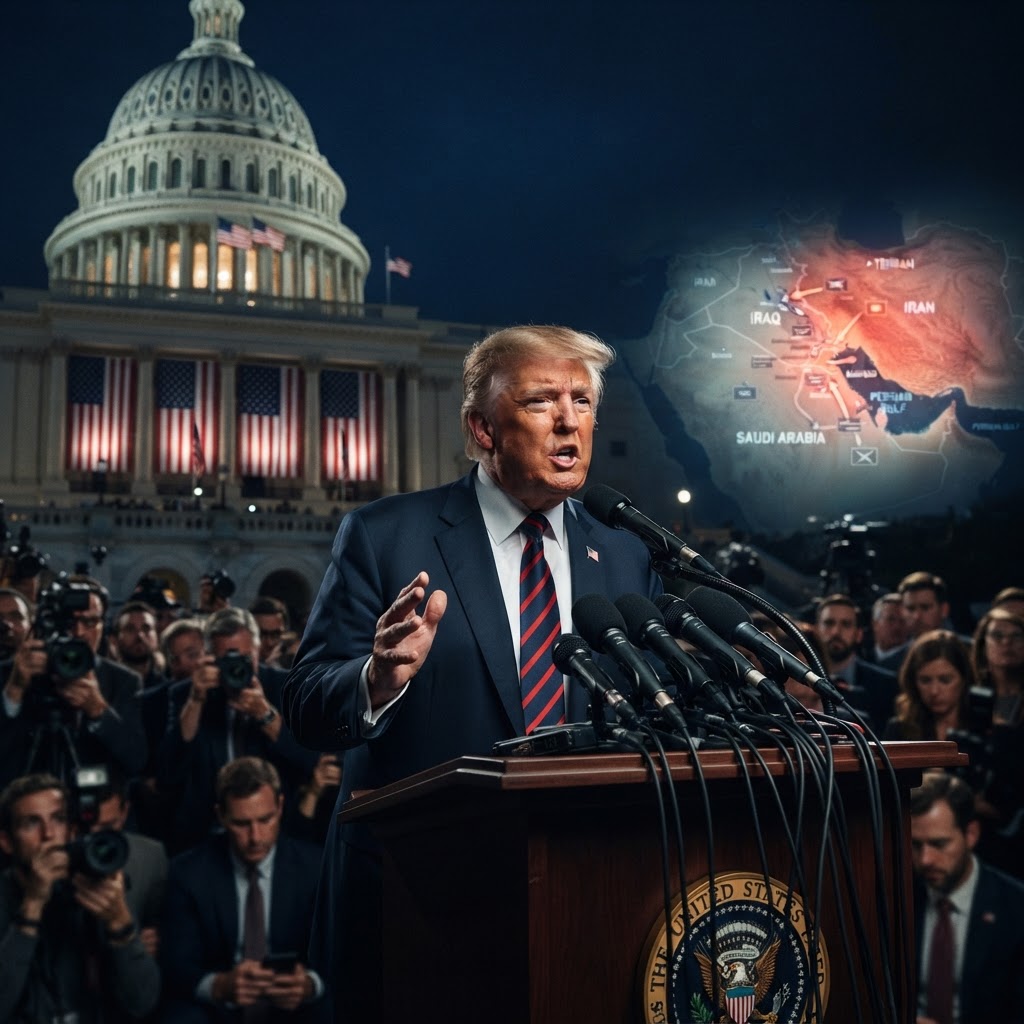
The news trending across America right now is not just about the battlefield in the Gulf. It is about how Donald Trump, the U.S.-Iran war, and the rising cost of instability are colliding inside American politics.
After a week of renewed violence, President Trump said the United States and Iran had agreed to continue talks even as he declared the earlier ceasefire effectively over. That contradiction captures the moment: Washington is talking and threatening at the same time, while the country watches to see whether the conflict is heading toward diplomacy, another military surge, or a longer cycle of pressure with no clear finish.
Trump’s message is strength first, uncertainty second
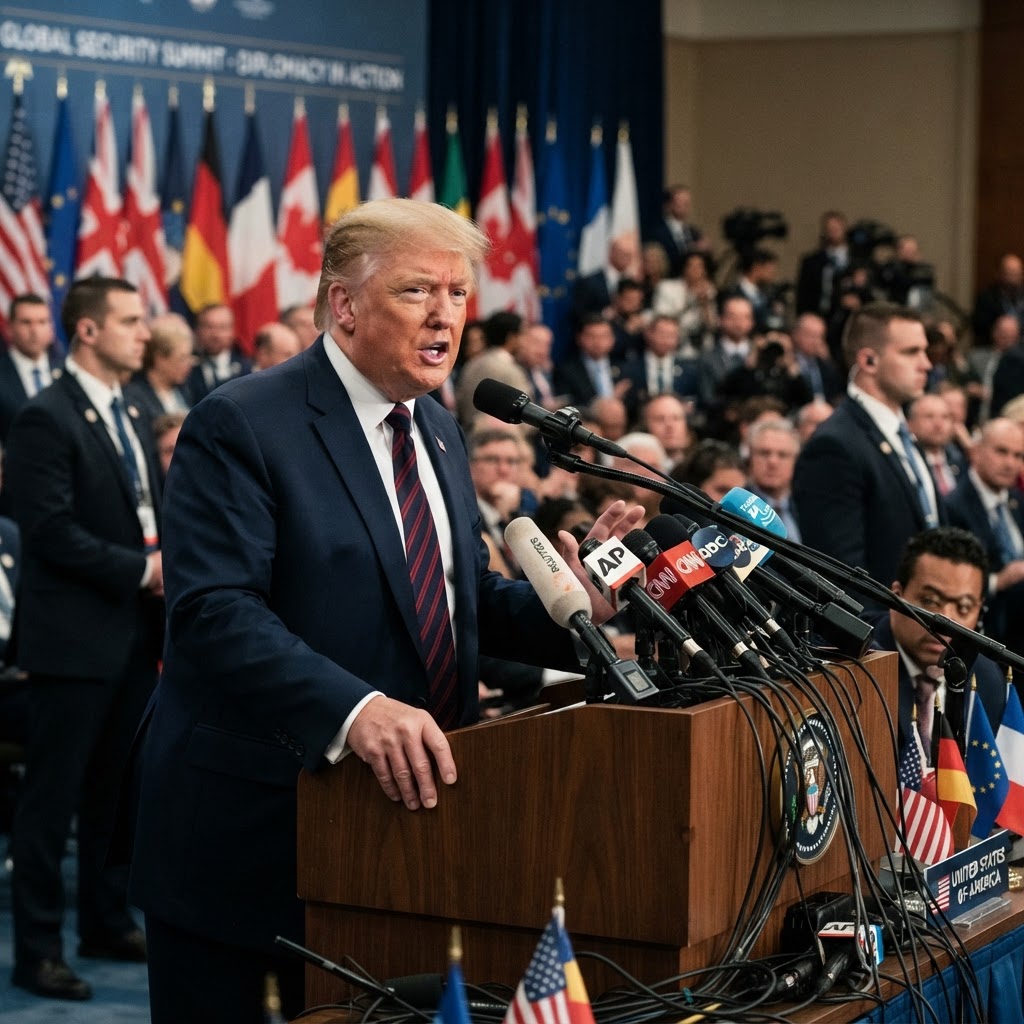
Reuters reported that Trump said the United States would continue talks with Iran, but only while demanding that Tehran publicly commit to ending attacks on shipping in the Strait of Hormuz. At nearly the same time, he sharply escalated his rhetoric, warning that the U.S. military was ready to launch devastating strikes if Iran targeted the American president.
That mix of negotiation and threat is what makes the story so dominant in the United States. Trump is trying to project control, but the public also sees a White House managing a crisis that could still widen quickly. Americans are not only following what happens in Iran; they are judging whether the administration has a stable plan.
Why this is trending across America
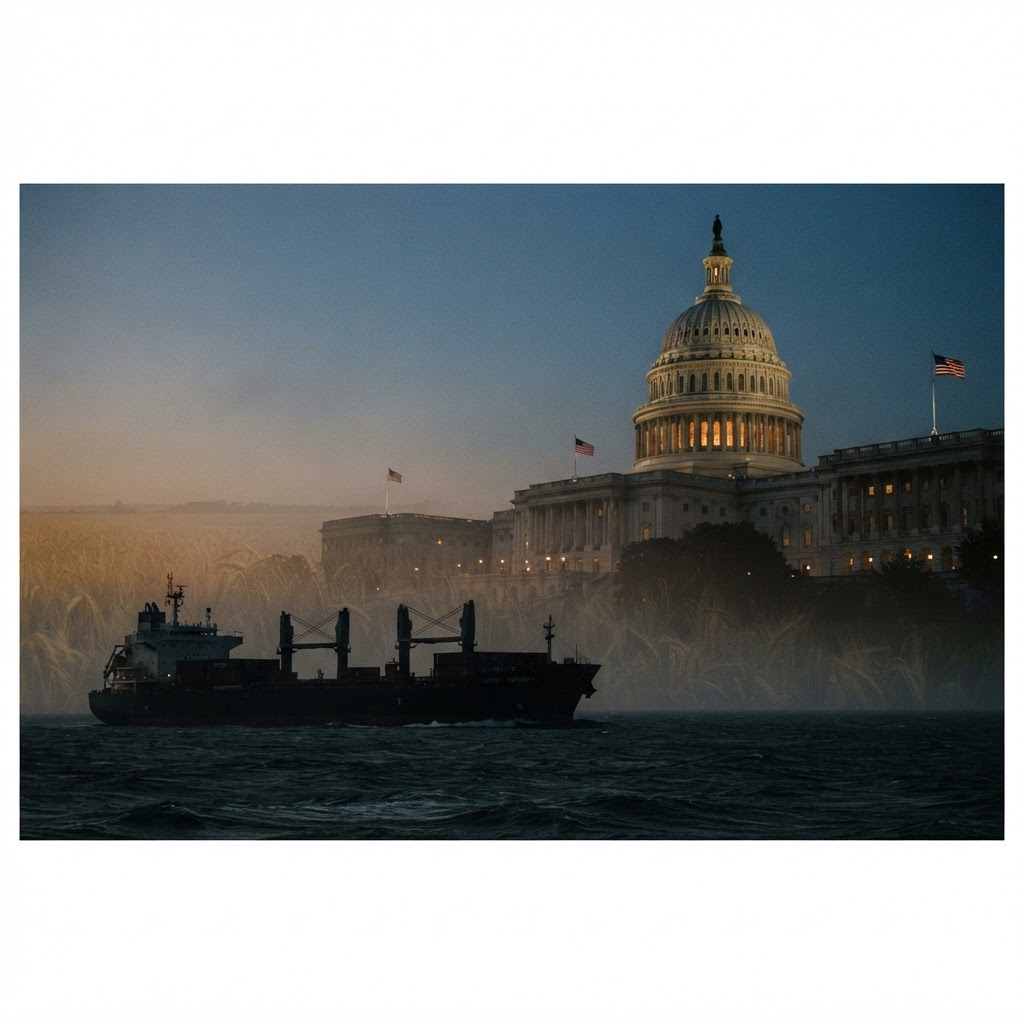
This war is not staying overseas in the public imagination. The Strait of Hormuz remains central because any threat to shipping there moves directly into the American economy through fuel prices, supply chains, and inflation anxiety. Reuters reported that oil posted its biggest weekly rise in eight weeks, gasoline inventories remain tight, and the renewed fighting has increased pain for U.S. consumers.

That is why the war has become a kitchen-table story as much as a foreign policy one. When Americans hear about attacks on tankers and U.S. retaliation, many are also hearing a warning about what could happen next to prices at the pump, market confidence, and the broader cost of living.
The diplomacy is alive, but fragile
Reuters also reported that Iran’s foreign minister arrived in Oman to discuss safe passage through Hormuz while mediators worked to cool the confrontation. At the same time, both sides accused the other of breaking previous understandings. That means diplomacy still exists, but it is moving inside an atmosphere of mistrust, military signaling, and public brinkmanship.
For Trump, that creates both an opportunity and a political risk. If talks hold, he can argue that maximum pressure forced Iran back toward the table. If talks collapse, the administration may face deeper questions about whether its public threats boxed it into an even larger confrontation.
What the trend says about America right now
The reason this story is trending so strongly is that it connects everything Americans are already anxious about: presidential power, war, economic pressure, and the fear that a foreign crisis can suddenly dominate daily life at home. In an election-year atmosphere, those forces move fast. A single military exchange abroad can become a domestic judgment on leadership within hours.
Trump’s supporters see firmness and deterrence. His critics see volatility and escalation. But both sides understand that the U.S.-Iran war is no longer a distant headline. It is a live test of American power, presidential judgment, and the public’s tolerance for another conflict that can hit wallets before it hits consensus.
TND takeaway
The biggest trend in America today is the merging of politics and conflict: Trump pushing hard, Iran resisting, talks continuing, and the economic stakes rising. That is why this story is leading the national conversation. It is not only about what Washington will do next. It is about what the next move will cost Americans if the crisis keeps growing.


Comments (0)
Be the first to share your thoughts!
Your voice matters. Every comment helps build our community.
Discussion Starters
No comments yet. Be the first to share your thoughts!