




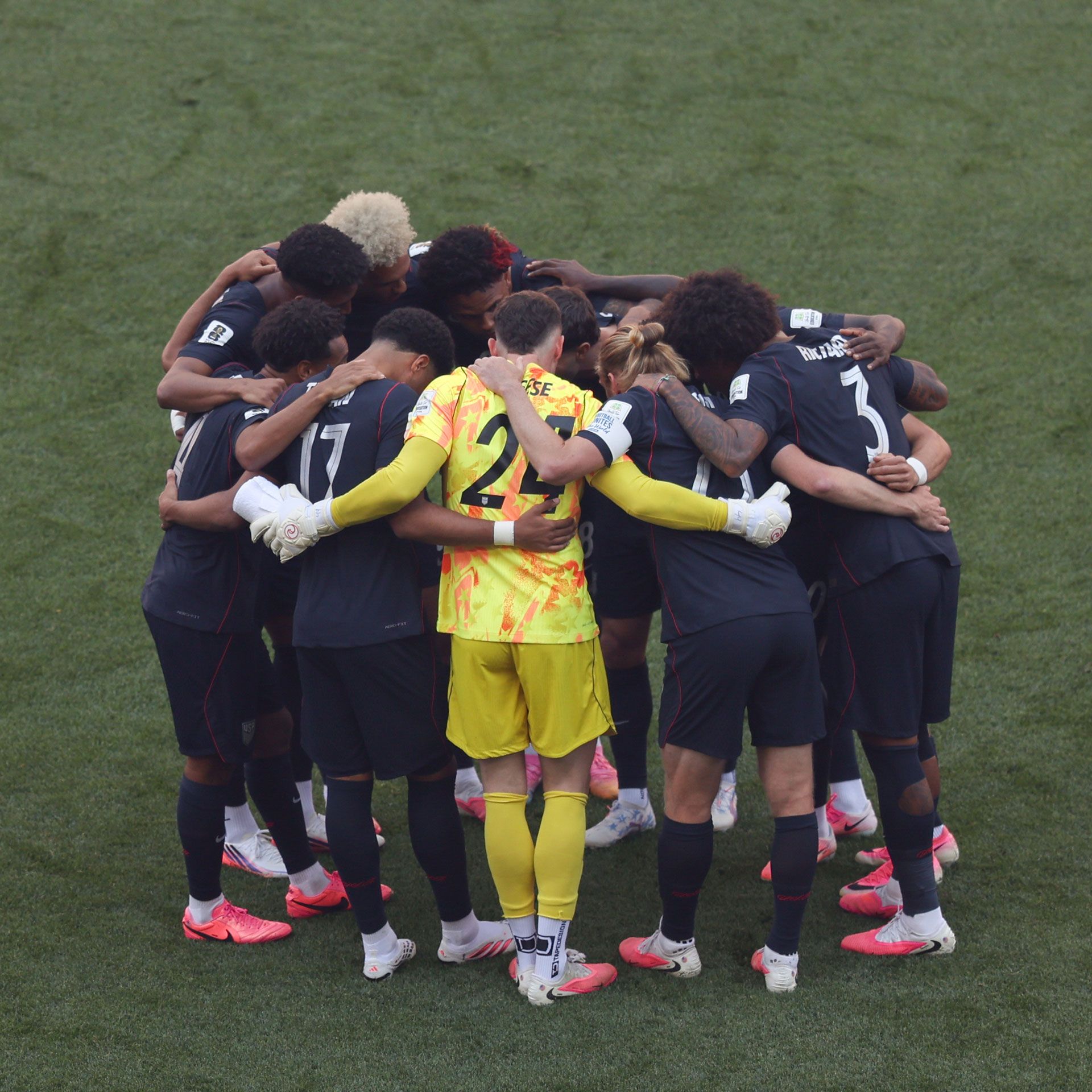
Tuesday's World Cup action delivered late drama on the field and even bigger fallout off it, as two knockout results reshaped the bracket while FIFA's decision in the England-Ghana controversy sent shockwaves across the tournament.
Argentina survived a fierce Egyptian push to win 3-2, while Switzerland outlasted Colombia in a penalty shootout after a tense 0-0 draw. But by the end of the day, conversation across the football world had moved beyond the scorelines and toward FIFA's intervention in the disputed England-Ghana result, a decision that has reopened debate about officiating, VAR accountability, and competitive fairness at the highest level.
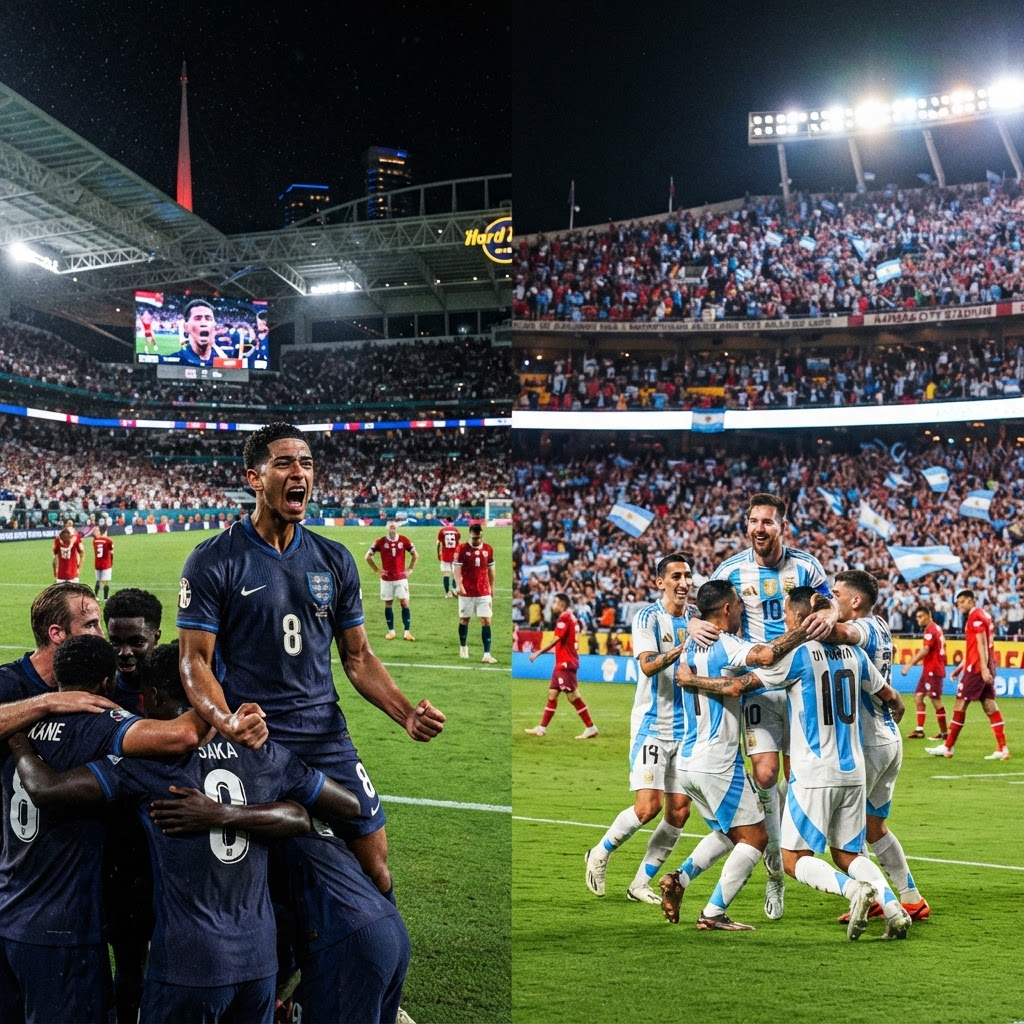
Argentina 3, Egypt 2: A heavyweight escapes
Argentina got the result it needed, but not the comfortable evening many expected. Egypt pushed the South Americans deep into the match and forced them to earn every moment of control. The 3-2 scoreline reflected a game that swung between Argentina's class in possession and Egypt's refusal to disappear.
For Argentina, the win keeps the title dream alive and preserves momentum at the sharpest point of the competition. For Egypt, the loss will sting because the gap on the scoreboard was narrow and the performance suggested they were far more than a knockout-round cameo. They tested Argentina, exposed moments of vulnerability, and nearly turned one of the tournament's most established powers into the story of the day for the wrong reasons.
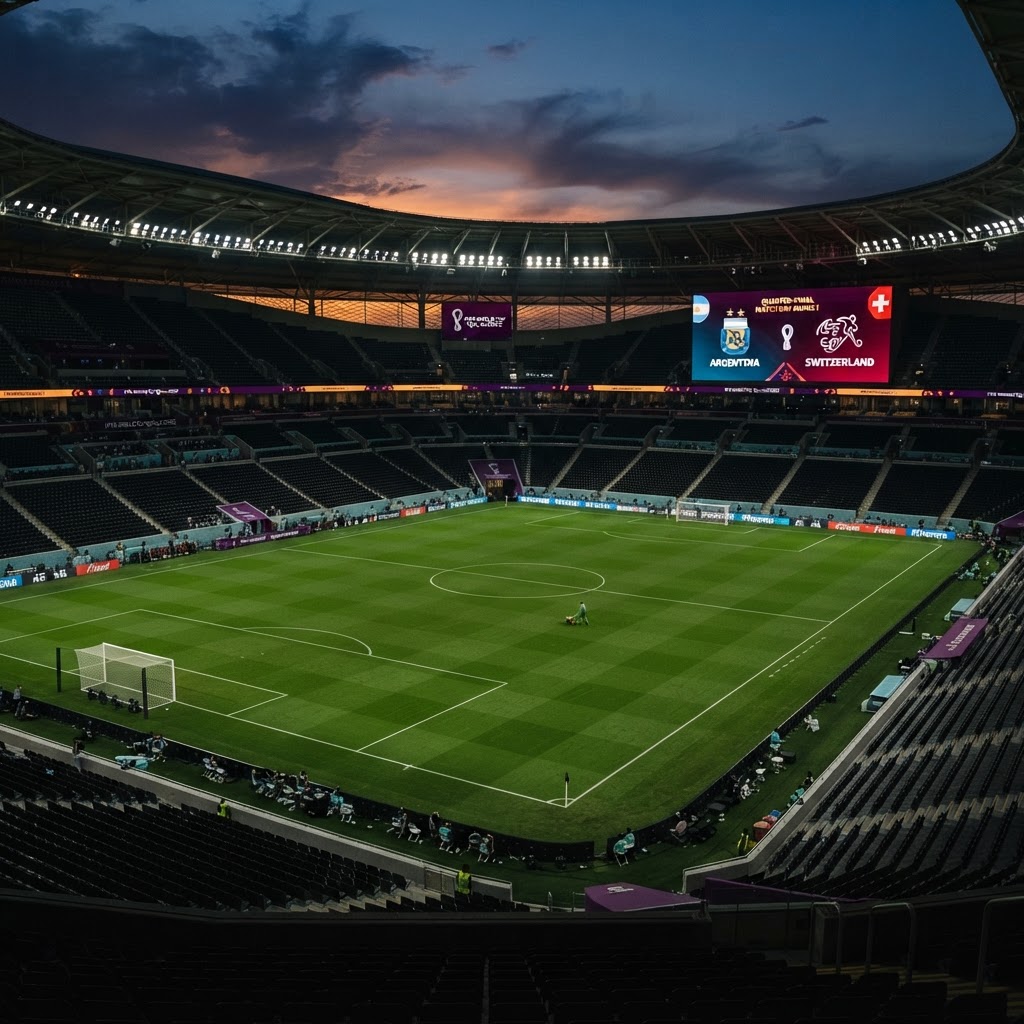
Switzerland advance after penalties: Colombia denied in a survival match
The second game was tighter, more cautious, and ultimately crueler. Switzerland and Colombia battled through 90 scoreless minutes and still could not be separated before the Swiss finally advanced 4-3 on penalties. It was the kind of World Cup match defined less by attacking fluency than by discipline, nerve, and the fear of making the single mistake that ends a tournament.
Switzerland will not care how artistic it looked. At this stage, progress is the only currency that matters. Colombia, meanwhile, leaves with the frustration of having matched the Swiss for long stretches yet failing to produce the decisive touch in open play or the clinching moment from the spot.
The England-Ghana controversy now overshadows the bracket
Yet the biggest story hanging over the tournament is no longer just who advanced on Tuesday. It is FIFA's response to the match between England and Ghana, a game that had already become one of the competition's most bitterly disputed flashpoints.
According to the decision now driving global reaction, FIFA concluded that the penalty awarded to England — the sequence that led to the winning goal and Ghana's elimination — was wrongly given. In a stunning post-match intervention, FIFA moved to award Ghana three points, a reversal that immediately reignited questions about whether football's governing bodies should ever attempt to correct match-changing officiating errors after the final whistle.
For Ghana, the ruling amounts to both vindication and heartbreak. Vindication, because it acknowledges that a decisive refereeing decision went against them at the worst possible time. Heartbreak, because no ruling can fully erase the emotional damage of leaving the tournament under a cloud of perceived injustice. Ghana's players, coaches, and supporters will argue that the sporting truth was distorted in real time — and that the correction came only after the cost had already been paid.
FIFA suspends the referee
FIFA's decision did not stop with the points reversal. The referee who handled the match has also been suspended, a move that underlines the severity with which the governing body now appears to view the error. That suspension sends a message, but it also opens an uncomfortable conversation for FIFA itself: if the mistake was serious enough to justify disciplinary action and a competition-level correction, then the scrutiny will inevitably shift toward the systems that were supposed to prevent exactly this kind of outcome in the first place.
At a World Cup built around elite officiating standards, video review, and constant talk of procedural fairness, the England-Ghana controversy is damaging because it suggests that even the tournament's most protected mechanisms can fail when the pressure is highest.
Why this matters for the rest of the World Cup
The immediate football implications are obvious: Argentina and Switzerland move forward after Tuesday's results, while the sport's governing institutions now face renewed skepticism from fans who want consistency, transparency, and confidence in VAR-era decision-making. But the larger issue is reputational. World Cup matches are supposed to be decided by performance, composure, and quality. When the central debate becomes whether a governing body must step in after the fact to repair a refereeing mistake, trust in the tournament inevitably takes a hit.
That is why this story will not fade quickly. The bracket is narrowing, the stakes are rising, and every remaining team now understands that the margin for error is not limited to tactics or finishing. It also extends to officiating decisions that can define a nation's fate in seconds.
TND takeaway
Tuesday gave the World Cup everything it usually promises: goals, tension, penalties, survival, and big-name pressure. Argentina held off Egypt. Switzerland kept its nerve against Colombia. But the sport's loudest conversation belongs to Ghana, England, and FIFA — a reminder that in football's biggest tournament, the most lasting result is not always the one posted on the scoreboard at the final whistle.
Comments (0)
Be the first to share your thoughts!
Your voice matters. Every comment helps build our community.
Discussion Starters
No comments yet. Be the first to share your thoughts!