




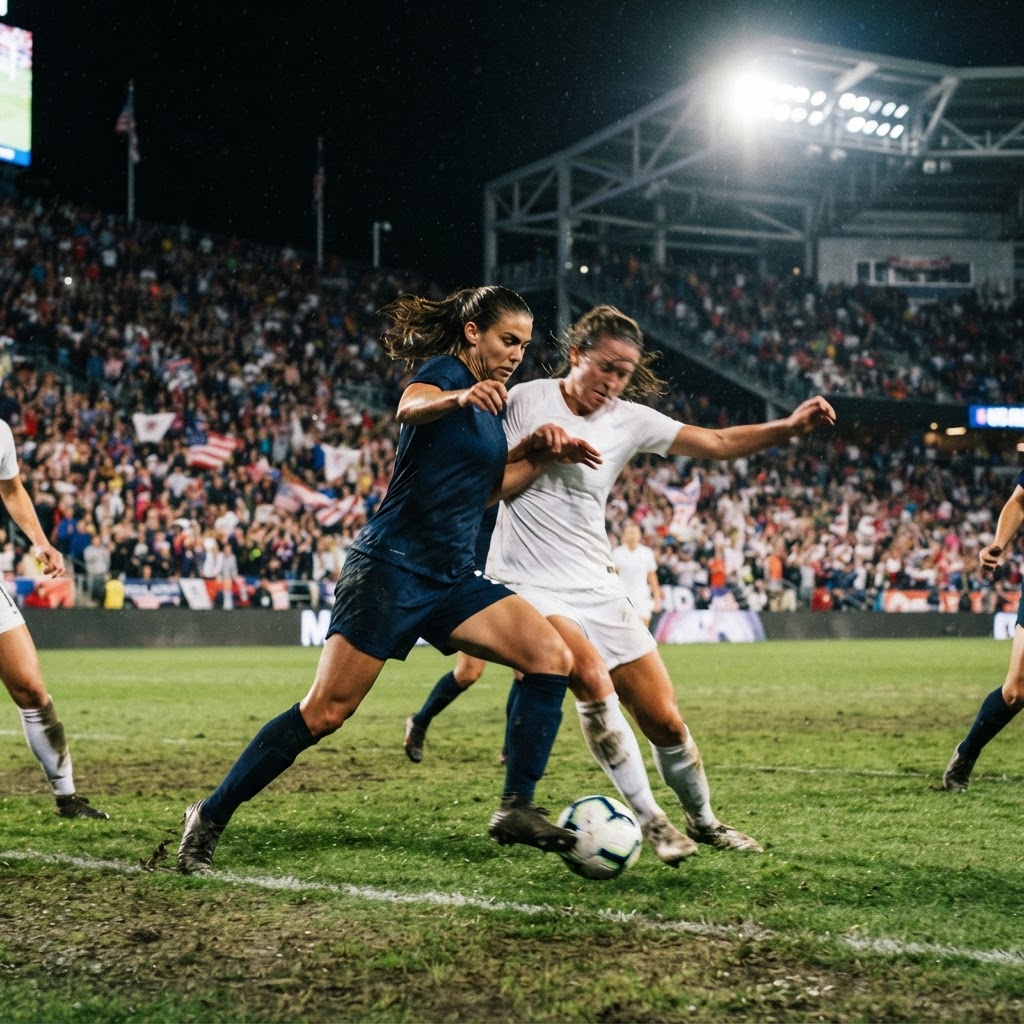
As the FIFA 2026 World Cup unfolds on the global stage, Africa once again finds itself represented among the world’s football elite. This moment, as always, is bigger than sport—it is about identity, pride, and continental unity.
At the center of this moment stands South Africa.
Bafana Bafana’s presence at the World Cup is not merely a national achievement; it is a continental symbol. When South Africa steps onto the pitch, it carries not just its flag, but the weight, hopes, and visibility of Africa itself. And for that reason, the call from this Editorial Desk is clear: Africa must support South Africa.
This call comes despite a difficult and undeniable reality. South Africa has, in recent years, faced criticism and concern over xenophobic actions targeting fellow Africans living within its borders. These incidents have caused pain, anger, and legitimate frustration across the continent. They must not be ignored, dismissed, or excused.
But the World Cup presents a different stage—and a different responsibility.
Football is one of the few remaining platforms where Africa can stand as one. The players representing South Africa are not the architects of policy or perpetrators of social injustice. They are athletes—young men carrying dreams shaped by discipline, sacrifice, and national duty. To withdraw support from them is to misplace accountability.
Africa’s strength has never been in its perfection. It has been in its resilience and its ability to stand together even in moments of internal strain. Unity has always been a conscious choice, not a convenient one.
There is a common saying across Africa: there is no bad bush to throw away a child—your child is your child. South Africa is Africa, and will remain an African nation, inseparable from the continent’s identity and destiny. No matter the challenges, it cannot be cast aside.
Supporting South Africa at the FIFA 2026 World Cup does not mean endorsing xenophobia. It does not mean silence on injustice. It does not mean forgetting the experiences of African migrants who have suffered within South Africa’s borders.
It means choosing the larger picture.
It means recognizing that on the global stage, Africa is often seen as one—whether fairly or not. When one African nation rises in sport, it opens doors, shifts narratives, and strengthens the continent’s collective presence.
This is a moment to support—and also a moment to challenge.
Support South Africa’s team as representatives of African excellence. At the same time, continue to demand better from South Africa as a nation. Unity and accountability are not opposing forces; they are complementary responsibilities.
We also hold onto hope. Just as apartheid—one of the darkest chapters in South Africa’s history—became a relic of the past, so too can this present chapter of xenophobic tension one day be overcome and remembered only as history.
Africa must learn to hold both truths at once.
Let the cheers for Bafana Bafana echo across Lagos, Accra, Nairobi, Monrovia, and beyond. Let that support send a message—not just to the players, but to South Africa itself—that Africa stands together, but also expects better from its own.
The FIFA World Cup will pass. The conversations about identity, justice, and unity will remain.
And in that balance, Africa must choose not division—but a stronger, more intentional solidarity.
—TND Editorial Desk
Comments (0)
Be the first to share your thoughts!
Your voice matters. Every comment helps build our community.
Discussion Starters
No comments yet. Be the first to share your thoughts!