






Former Cuban Leader Indicted in Historic U.S. Case as Washington Expands Accountability Efforts
By Staff Reporter
WASHINGTON, D.C., May 21, 2026
In a landmark legal action with significant international implications, the United States government has formally indicted former Cuban leader Raúl Castro and several former Cuban military officials for their alleged roles in the 1996 shootdown of two civilian aircraft operated by the humanitarian organization Brothers to the Rescue.
The indictment, announced by federal prosecutors in Miami, marks one of the most consequential criminal cases ever brought by the United States against a former foreign head of state. Prosecutors allege that Cuban authorities deliberately targeted the unarmed aircraft while they were conducting humanitarian missions over international waters, resulting in the deaths of four individuals, including American citizens. The charges include conspiracy to murder U.S. nationals, destruction of aircraft, and related offenses. According to U.S. officials, newly reviewed evidence and years of investigative work contributed to the decision to pursue criminal proceedings nearly three decades after the incident.
The Brothers to the Rescue flights had been established during the 1990s to search for Cuban migrants attempting dangerous crossings across the Florida Straits. On February 24, 1996, two of the group's planes were intercepted and destroyed by Cuban military aircraft. The incident immediately provoked international condemnation and became one of the most contentious episodes in modern U.S.–Cuba relations. At the time, Washington accused Havana of violating international law, while Cuban authorities argued that the aircraft had repeatedly entered restricted airspace.
Federal prosecutors now contend that senior Cuban leadership approved the operation in advance and knowingly authorized the use of lethal force against civilian aircraft. While the practical likelihood of extradition remains low because the accused reside outside U.S. jurisdiction, legal experts note that the indictment carries substantial symbolic and diplomatic weight. It effectively labels the alleged conduct as criminal under U.S. law and may restrict international travel opportunities for individuals named in the case.
Administration officials described the indictment as part of a broader policy emphasizing accountability for attacks that result in the deaths of Americans abroad. Speaking after the announcement, Justice Department representatives stated that the passage of time does not diminish the government's responsibility to pursue justice for victims and their families.
The development arrives during a period of heightened activity in American foreign policy. The administration is simultaneously engaged in sensitive diplomatic negotiations concerning Iran's nuclear program while navigating evolving security concerns across multiple regions. President Donald Trump recently indicated that potential military options involving Iran remain under review but that diplomatic channels continue to be prioritized. Analysts say the administration's willingness to pursue historic accountability cases reflects a broader effort to demonstrate firmness on international security issues while maintaining active diplomatic engagement elsewhere.
Reaction to the indictment has been mixed. Supporters, including some relatives of the victims, welcomed the move as a long-overdue effort to establish accountability for an attack that has remained a source of pain for decades. Human rights advocates similarly argued that governments should not be shielded from scrutiny when civilian lives are lost.
Others questioned the practical impact of the charges, noting that Cuba is unlikely to surrender former officials for prosecution. Some foreign policy observers warned that the case could further complicate already strained relations between Washington and Havana, potentially limiting opportunities for future diplomatic engagement on migration, trade, and regional security matters.
The Cuban government has historically rejected U.S. allegations regarding the 1996 incident and maintains that its actions were undertaken in defense of national sovereignty. As of Thursday, Cuban officials had not issued a comprehensive public response to the latest indictment announcement.
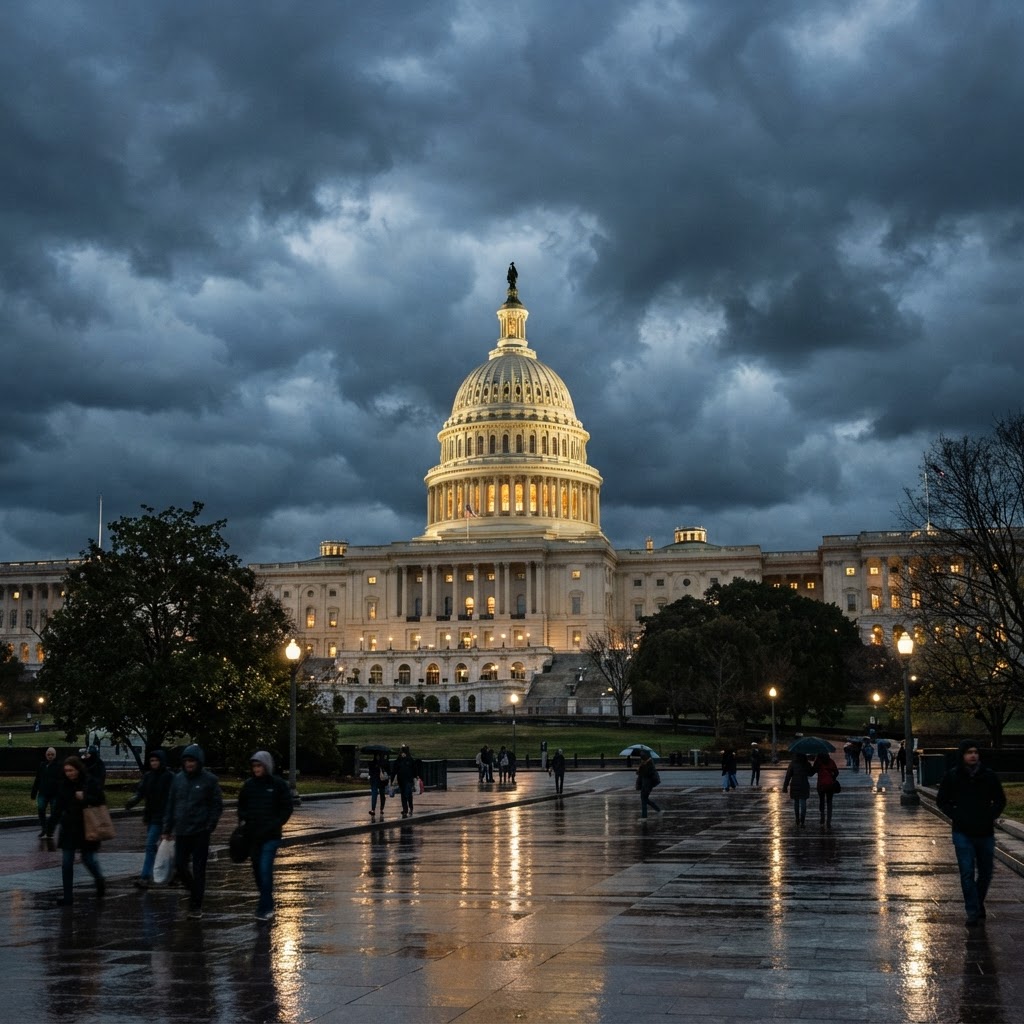
Meanwhile, the United States continues preparations for major national events associated with the country's upcoming 250th anniversary celebrations. Federal authorities have announced expanded security coordination in the nation's capital and other major cities as officials anticipate large public gatherings throughout the coming months. Government agencies have emphasized that maintaining public safety remains a central priority amid a complex international and domestic environment.
Political analysts suggest that the indictment may resonate beyond the courtroom. By reopening one of the most controversial chapters in U.S.–Cuba history, the case has renewed debate about accountability, international law, and the limits of justice when alleged crimes involve sovereign governments. Whether the proceedings ultimately lead to arrests or trials, the action signals Washington's continuing willingness to revisit unresolved historical incidents with lasting geopolitical significance.
For the families of those killed in 1996, the announcement represents another chapter in a decades-long search for answers. For policymakers, it underscores how events from the past can continue to shape diplomatic relationships and legal debates well into the future. As the case proceeds through the American judicial system, its broader effects on regional politics and U.S.–Cuba relations will be closely watched by governments and observers around the world.
generate Raul Castro , former Cuban leader image
Edit



Comments (0)
Be the first to share your thoughts!
Your voice matters. Every comment helps build our community.
Discussion Starters
No comments yet. Be the first to share your thoughts!