




A World Under Viral Pressure: The 2026 Outbreak Landscape
Infectious disease experts entered 2026 with a familiar warning: the world remains inadequately prepared for the convergence of multiple simultaneous viral threats. Five months in, that warning has proven prescient. From the jungles of Central Africa to the dairy farms of the American Midwest, from the tropics of Southeast Asia to the suburbs of San Francisco, several distinct pathogens are demanding urgent attention from global health authorities.
The New Dispensation presents a full situational briefing on the five most significant active outbreaks as of May 2026.
🦠 Mpox (Monkeypox) — Clade 1b Spreads
The mpox crisis that drew global attention in 2022 has taken a more dangerous turn. Mpox clade 1b — a more transmissible and potentially more severe strain than the clade 2 variant that spread globally four years ago — has been circulating in parts of Central and East Africa since 2022 and has now reached beyond the continent.
San Francisco reported its first clade 1b case in April 2026, marking a significant sentinel event for Western health authorities. The WHO has been monitoring clade 1b's geographic spread carefully, and the latest cross-border transmissions suggest that containment within Africa is no longer a certainty.
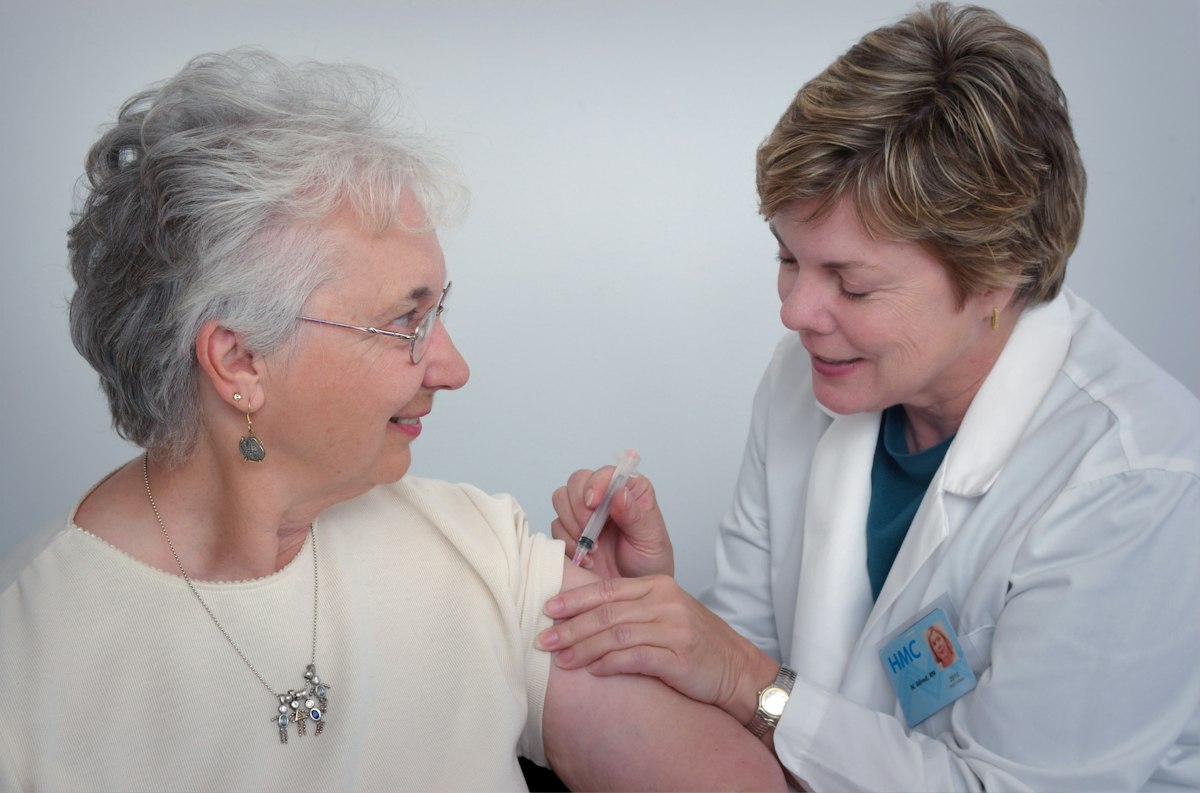
Mpox spreads through close physical contact — including sexual contact — as well as contact with contaminated materials. The WHO continues to advise vaccination for high-risk individuals and enhanced surveillance at international borders and travel hubs.
🦟 Dengue Fever — Record-Breaking Spread
Dengue fever is having one of its worst years on record globally. The mosquito-borne viral illness, which affects an estimated 400 million people annually, has been spreading at accelerated rates across Latin America, Southeast Asia, and parts of Sub-Saharan Africa in 2026.
Climate change is a key driver: warmer temperatures are expanding the geographic range of the Aedes aegypti mosquito, which carries the dengue virus, into previously temperate regions. Scientists have documented dengue-carrying mosquitoes in parts of southern Europe and the southern United States — areas that had historically been too cool to support established populations.
There is currently no broadly available antiviral treatment for dengue. Management is supportive, and severe cases — dengue hemorrhagic fever — carry a significant fatality risk without proper hospital care. A dengue vaccine (Dengvaxia) exists but is recommended only for previously infected individuals due to complication risks in dengue-naive patients.
🐦 H5N1 Avian Influenza — The Pandemic Wildcard
Of all the pathogens on the global health radar, H5N1 avian influenza continues to generate the most concern among pandemic preparedness experts. In 2025 and into 2026, H5N1 has spread extensively through U.S. dairy herds, infecting cattle in dozens of states — a wholly unprecedented development that has alarmed virologists who fear mammalian adaptation of the virus.
In February 2026, a new human case of H5N1 was confirmed in a man in Kampot province, Cambodia — part of a pattern of sporadic human infections in Southeast Asia that has persisted for years. As of early May 2026, the CDC has confirmed no human-to-human transmission of H5N1 in the United States, but wastewater surveillance data shows the virus's footprint in dairy herds continues to expand.
The critical threshold — efficient person-to-person transmission — has not been crossed. Experts say that if H5N1 were to acquire that capability through mutation or reassortment with a seasonal flu strain, a pandemic scenario more severe than COVID-19 would be possible, given H5N1's historically high case fatality rate in humans (approaching 60% in prior outbreak data).
🤒 Cholera — Persistent Crisis in Conflict Zones
Cholera remains endemic in a belt of conflict-affected nations including Haiti, Yemen, Sudan, and parts of the Democratic Republic of Congo. The disease, caused by the Vibrio cholerae bacterium and spread through contaminated water, thrives wherever war, displacement, and infrastructure collapse converge.
The WHO's latest reporting shows continued active transmission across these regions, with humanitarian organizations warning that vaccine supply constraints and disrupted water sanitation infrastructure are sustaining transmission chains that would be readily broken under normal public health conditions.
What Global Health Authorities Are Watching Most Closely
According to infectious disease specialists and WHO advisors, the two biggest concerns for 2026 are:
- H5N1 acquiring human-to-human transmission capability — even a single confirmed cluster would trigger the highest-level global pandemic alert mechanisms.
- Measles continuing to surge in undervaccinated Western nations — a virus with no natural animal reservoir that exists only because of gaps in human vaccination coverage, and which could be eliminated entirely if political will matched scientific capability.
Experts also express concern about the cumulative strain that multiple simultaneous outbreaks place on national and global public health infrastructures — institutions already stretched after four years of COVID-19 response, budget pressures, and political headwinds in several major democracies.
The Bottom Line for Readers
Public health authorities are urging calm but vigilance. For the vast majority of people in high-income countries with robust healthcare systems, the direct personal risk from any single outbreak remains manageable. But the convergence of threats underscores a simple truth that epidemiologists have warned about for decades: in an interconnected world, no outbreak anywhere is truly someone else's problem.
Stay vaccinated. Monitor credible health sources. And recognize that public health is a collective responsibility.



Comments (0)
Be the first to share your thoughts!
Your voice matters. Every comment helps build our community.
Discussion Starters
No comments yet. Be the first to share your thoughts!