




🇱🇷🇬🇳 Rising Tensions at Liberia–Guinea Border


4
Guinea in Panic Amid Reports of Liberia to Invoke Treaties with the United States and Israel - And Plan to Raising Its Flag in Massanta Region, Liberia Official Border on the North
Massanta / Foya Border Corridor —
Tensions are escalating along the northern frontier of Liberia as reports emerge that Liberian authorities are preparing to raise the national flag in Massanta—an area Liberian officials and citizens describe as their “historic and legal northern boundary.”
According to sources familiar with developments on the ground, the move has triggered alarm within Guinean government circles, with officials warning that any such action could heighten an already volatile situation between the two neighboring states.
Historical Dispute Rekindled
At the center of the dispute is a long-standing disagreement over territory dating back to 1892, when French colonial forces—then expanding what became French Guinea—reportedly occupied portions of land claimed by Liberia.
Liberian historians and policy advocates argue that this occupation was not based on a bilateral agreement but rather on forceful colonial annexation, making it illegitimate under modern international law.
Guinean authorities, however, have cited a 1907 border agreement as the legal basis for their territorial claims—an assertion now under intense scrutiny.
Experts Question 1907 Agreement Claim
Legal analysts and regional experts are raising a critical question:
How could Liberia have signed a border agreement in 1907 with Guinea, when Guinea did not become an independent nation until 1958?
Critics of the Guinean position argue that the agreement, if it existed, would have been between Liberia and France, not Guinea as a sovereign state. They describe Guinea’s reliance on such claims as “reverse engineering” colonial history to justify present-day territorial control.
February Incident Intensifies Crisis
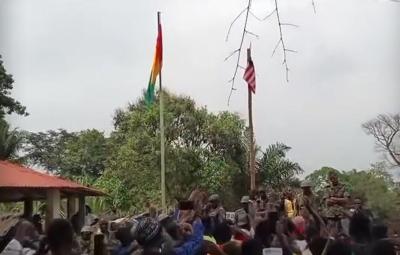
The current escalation follows a February border incident, during which Guinean forces reportedly crossed into Liberian territory, removed a Liberian flag, and raised the Guinean flag—asserting ownership over the area.
The move sparked outrage among Liberians, particularly in border communities, where residents reportedly resisted the incursion and reaffirmed allegiance to Liberia.
Treaty Concerns Trigger Regional Anxiety
Further intensifying the situation are reports that Liberia could consider invoking historical defense agreements, including:
- A longstanding U.S.–Liberia relationship, often described in diplomatic and historical contexts as uniquely close
- The 1959 Liberia–Israel cooperation framework, which some interpret as having security implications
While there has been no official confirmation from Monrovia regarding such actions, even the possibility has reportedly caused concern within Guinean leadership.
🇬🇳 Guinean Response Hardens
4
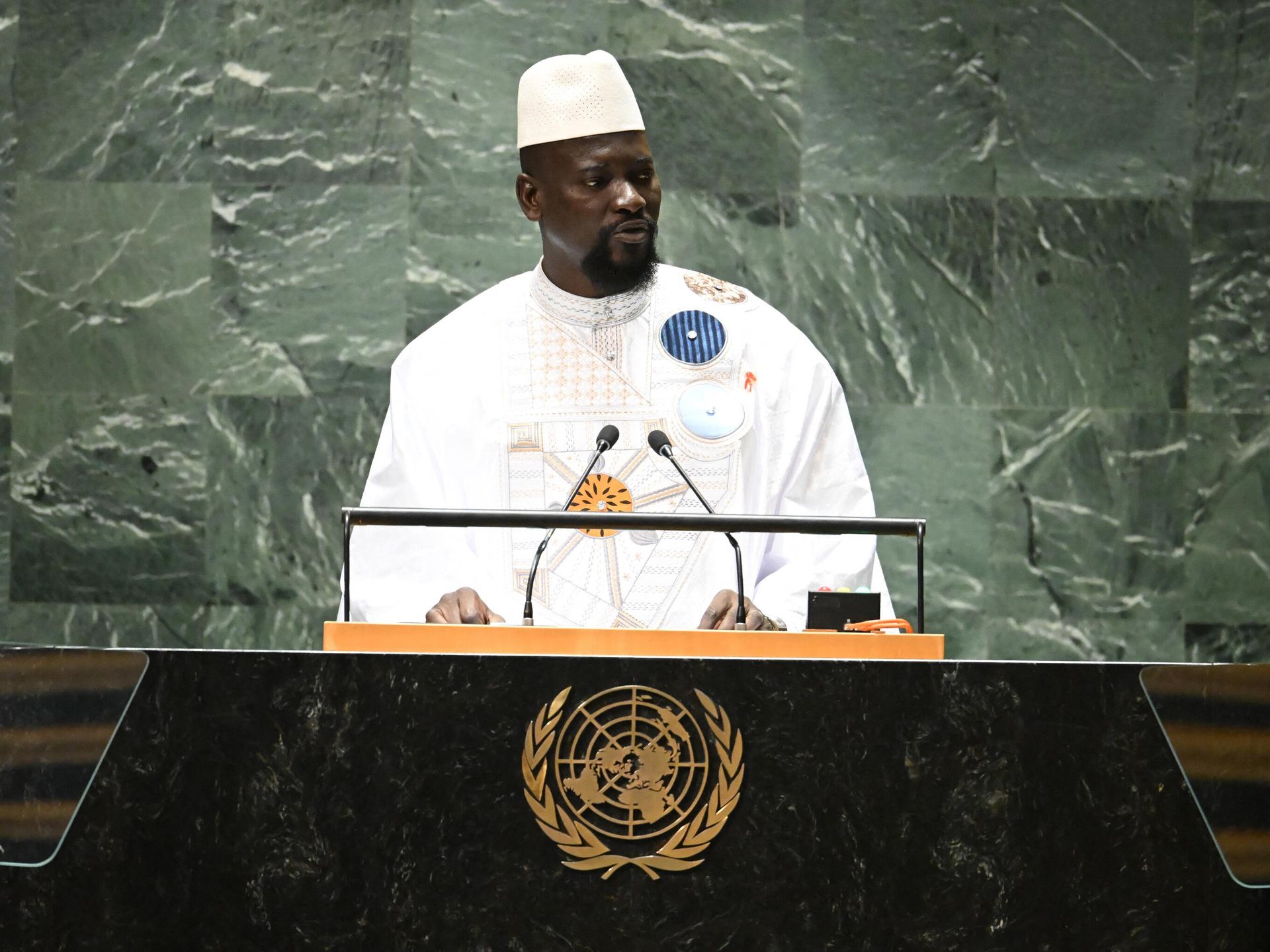
A senior Guinean official—described as a minister responsible for land and territorial administration—has issued a strong warning, stating that:
“Guinea will not compromise its territorial integrity under any circumstances.”
The statement reflects growing concern in Conakry that Liberia’s reported plans could signal a broader challenge to existing borders inherited from the colonial era.
Liberian Position: Colonial Borders Not Final
Liberian voices, including academics and civil society leaders, argue that borders imposed by colonial powers—particularly those established through force—should not automatically be considered legitimate.
They maintain that:
- The 1892 French expansion was not a treaty-based boundary agreement
- The absence of a formal reclamation request does not transfer legal ownership
- Guinea’s continued presence in the disputed region amounts to “illegal occupation of historically Liberian land”
Risk of Escalation
Regional observers warn that the situation could escalate if:
- Liberia proceeds with raising its flag in the contested area
- Guinea responds with military or administrative reinforcement
- Diplomatic channels fail to de-escalate tensions
The Economic Community of West African States (ECOWAS) has not yet issued a formal statement, but analysts say early mediation could be critical in preventing further deterioration.
What Comes Next
For now, the border remains tense, with both nations holding firm to their positions. The coming days will be crucial in determining whether the situation evolves into:
- A diplomatic standoff,
- A legal dispute in international forums, or
- A dangerous escalation on the ground


Comments (0)
Be the first to share your thoughts!
Your voice matters. Every comment helps build our community.
Discussion Starters
No comments yet. Be the first to share your thoughts!