




BEIJING — For five days this week, the arena built for the 2022 Winter Olympics speed skating events has belonged to machines. The second World Humanoid Robot Games, running August 22–26 at Beijing's Ice Ribbon, has drawn 2,056 robots from 666 teams across 16 countries and six continents — a 138 percent jump in entries from last year's inaugural edition.
The scale is the story. Behind those teams sit 157 companies and some 200 universities and research institutes, a roster that reads less like a sports field than a national industrial roll call.
Faster Than a Man
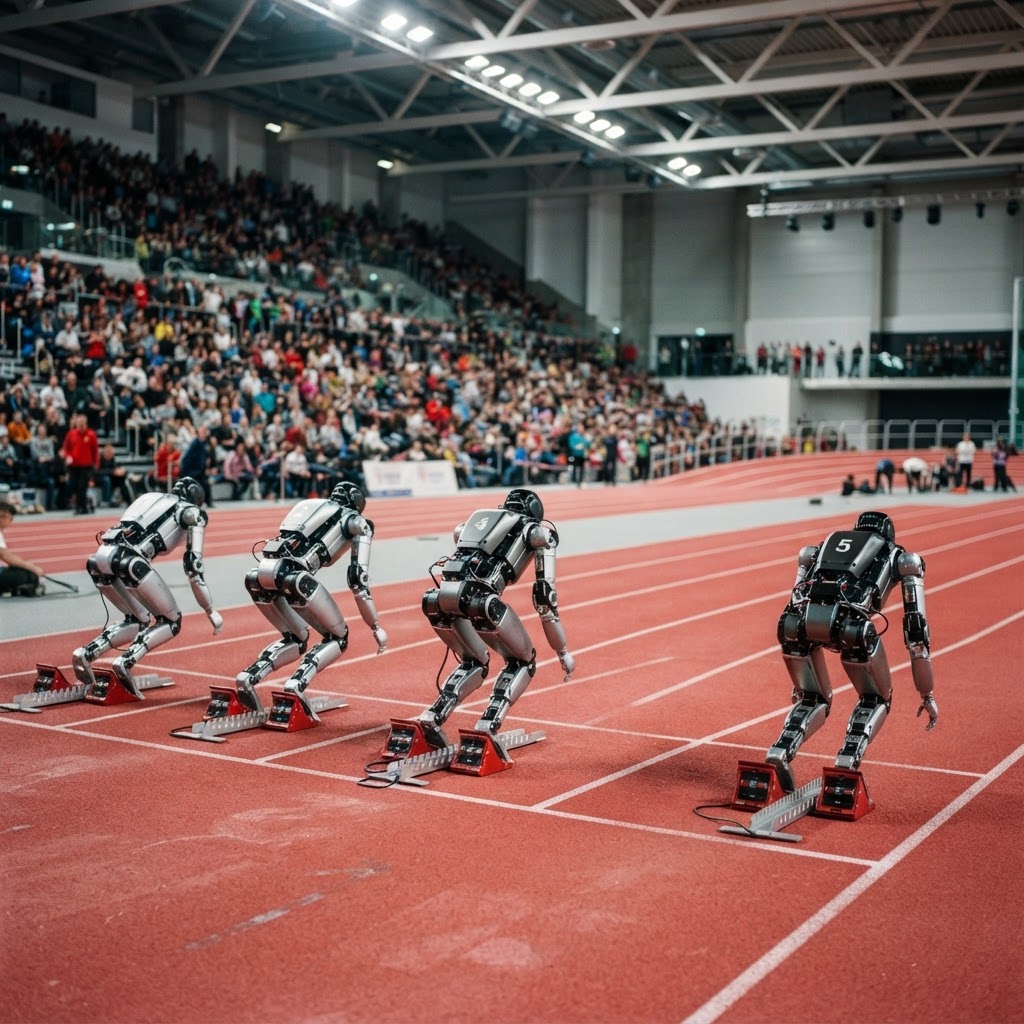
The headline performance came on the track. Tiangong Ultra, the Beijing-built humanoid that dominated last year's field, set games records in both the 100-meter sprint — clocked at a reported 9.39 seconds — and the 400 meters, at 38.15 seconds. On the shorter distance, that puts a bipedal machine inside the fastest time any human has ever run.
Not everything went to plan. In one 400-meter heat, a competitor pitched forward mid-stride and wobbled down the straight, drawing gasps from a crowd that had already learned to hold its breath every time a robot took a corner.
Sprints, Tai Chi and Tug-of-War
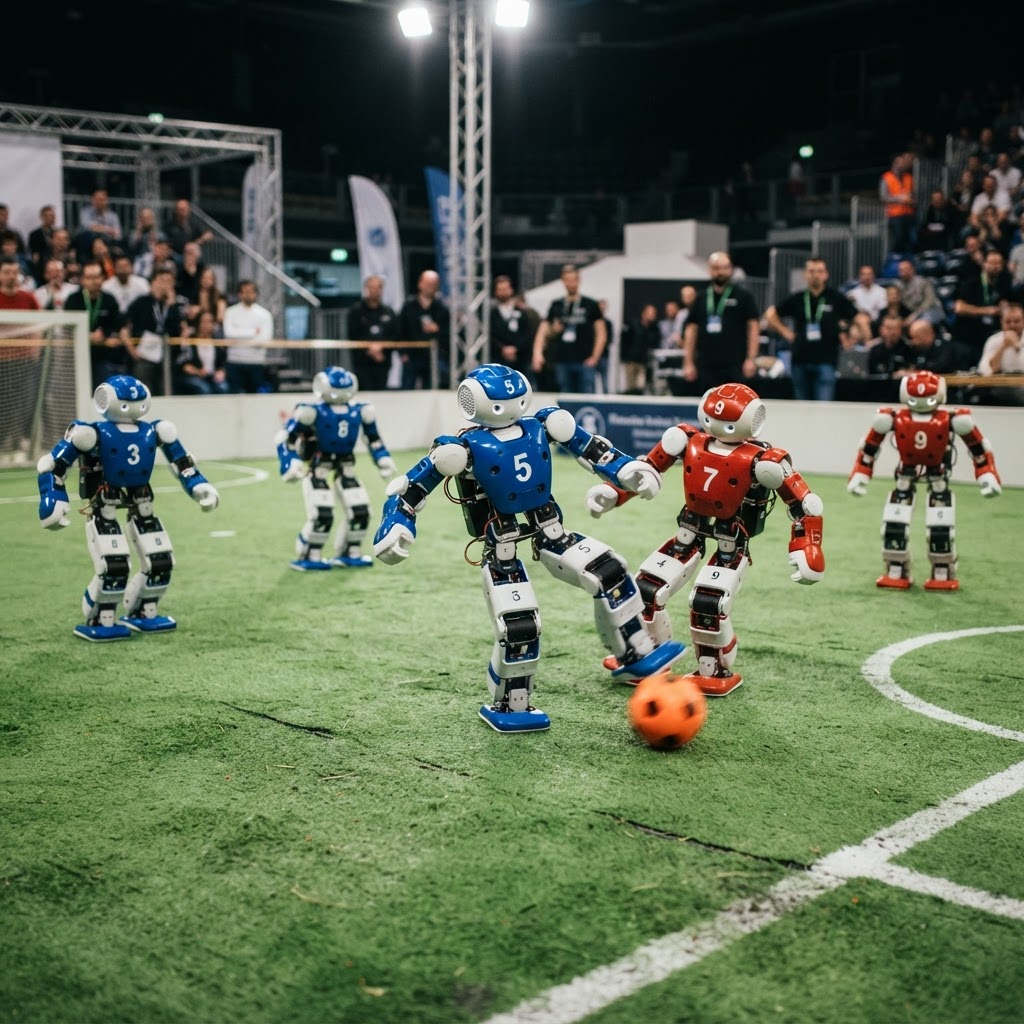
The program is deliberately sprawling. Athletics events span the 100, 400 and 1,500 meters, long jump and weightlifting. Combat and performance disciplines include kickboxing, freestyle gymnastics, street dance and tai chi. Team events run to 5v5 soccer, tug-of-war and table tennis.
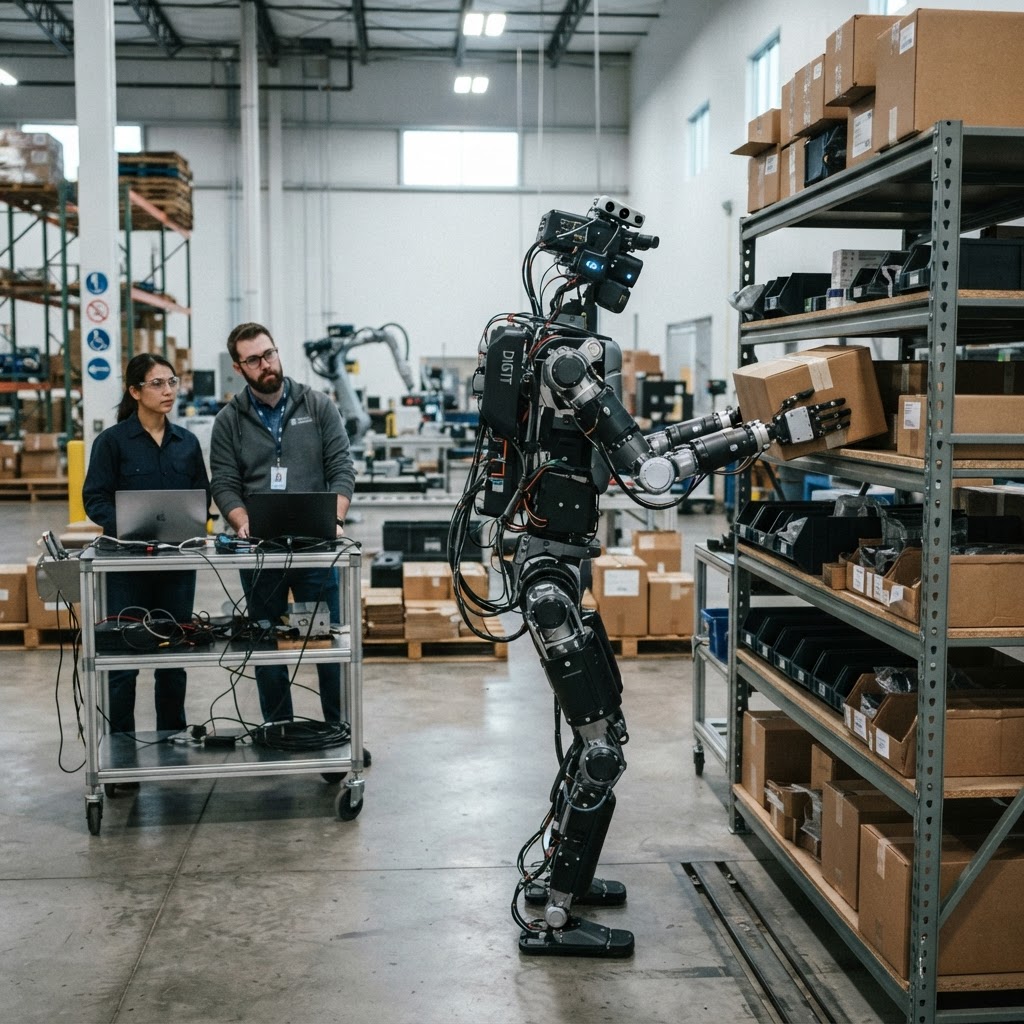
Then come the categories that reveal the real purpose: industrial assembly, material handling, supermarket retail, hotel guest services, firefighting and rescue, and dexterity trials in which robots unbox parts and build with blocks.
From Spectacle to Shop Floor
Chinese officials have been explicit that the games are meant to push humanoid robotics from what they call demonstration tools toward practical productivity — factories, logistics, service work. One metric captures the shift better than any medal count: 38 percent of teams this year competed using fully autonomous navigation, no remote pilot at the controls.
The event doubles as an industrial training ground, harvesting performance data at a scale no single lab could gather and putting thousands of young engineers through a competitive crucible. China already leads the world in humanoid manufacturing capacity, with domestic vendors expected to account for a large share of global shipments.
Not everyone is applauding. A strand of domestic debate questions whether lavish state-backed spectacles are the best use of public research money, or whether the medals are outpacing the machines' actual usefulness. The competition closes Wednesday.




Comments (0)
Be the first to share your thoughts!
Your voice matters. Every comment helps build our community.
Discussion Starters
No comments yet. Be the first to share your thoughts!